Upcoming Spaceflight Launches
Filter by Agency, Locations or Vehicles
Show All Launches
Falcon 9 Block 5 | Arabsat 7A
SpaceX | United States of AmericaCape Canaveral SFS, FL, USA
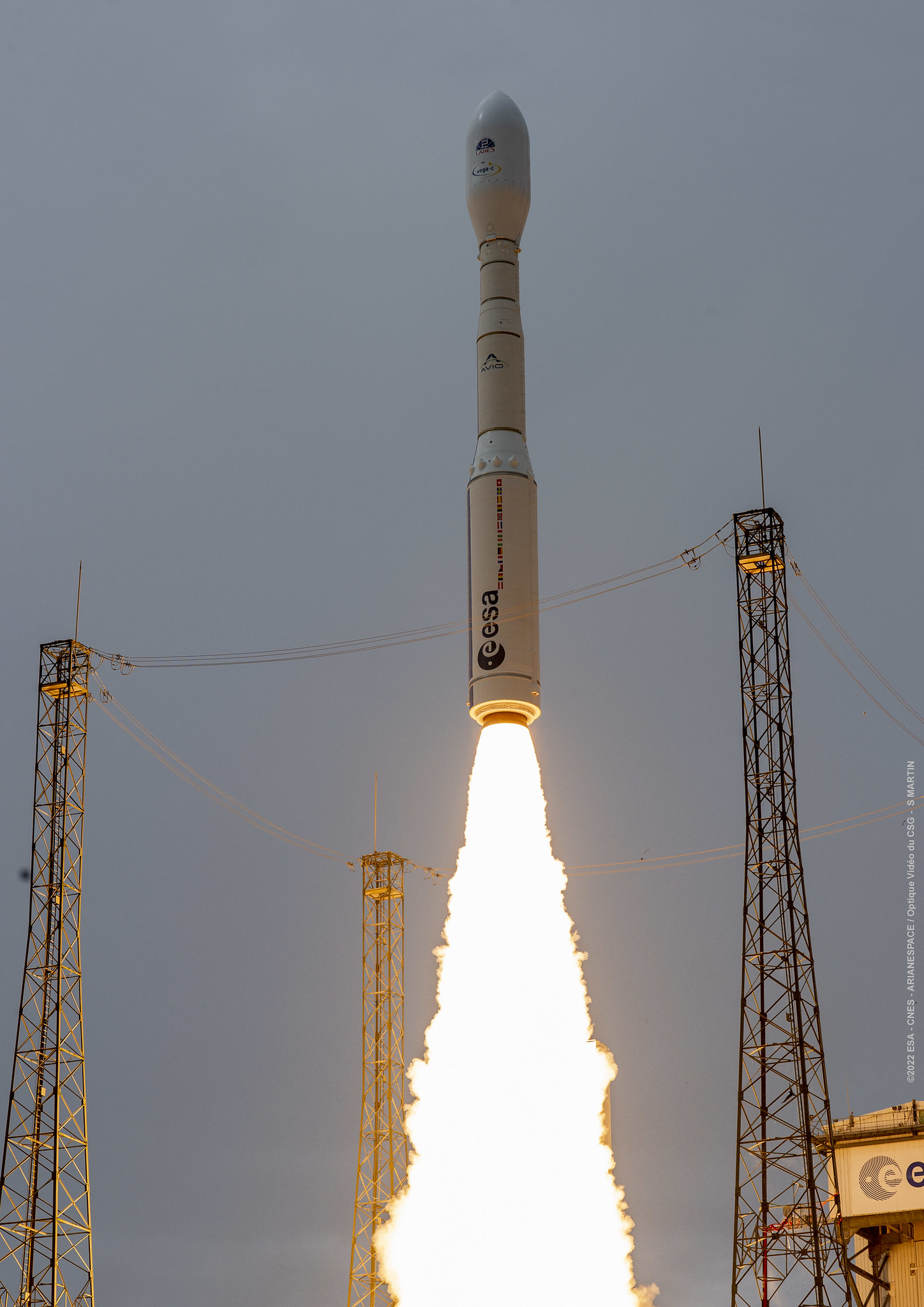
Vega-C | PLATiNO 2
Avio S.p.A | ItalyGuiana Space Centre, French Guiana
Status: To Be Determined
Mission:
PLATiNO-2 is an Earth observation satellite developed for the Italian Space Agency (ASI), making use of the PLATiNO minisatellite platform - a versatile and modular small satellite system - to support a variety of space missions for Earth observation, telecommunications, and scientific research. The platform offers a scalable and cost-effective solution for payload integration in support of diverse mission requirements and orbital configurations, with a focus on high performance, flexibility, and reliability, for both governmental and commercial applications. The PLATiNO-2 mission carries a Thermal Infrared (TIR) payload, validating PLATiNO multi-applicability feature. Developed by Leonardo and SITAEL, PLATiNO-2 TIR will acquire images that will be used to provide valuable services for territories control and protection such as monitoring waters, glaciers, pollutants, state of crops and vegetation, energy consumption in urban areas. PLATiNO-2 is also equipped with the magnetically shielded HT 100, an improved version of SITAEL electric thruster, making PLATiNO-2 one of the first missions in the world to observe the Earth in the Thermal Infrared from a very low orbit – less than 400 km – and thus significantly improving the resolution of the acquired images. The satellite also carries NASA’s Multi-Angle Imager for Aerosols (MAIA) instrument, which will study how different types of particulate matter air pollution affect our health.
Sun-Synchronous OrbitFalcon 9 Block 5 | SICRAL 3B
SpaceX | United States of AmericaCape Canaveral SFS, FL, USA
Status: To Be Determined
Mission:
SICRAL 3A and 3B are next generation communication satellites for the Italian Ministry of Defence, providing UHF and SHF communications services in replacement of SICRAL 2 and adding Ka-band capacities. One of the satellites will provide UHF and SHF band communications, while the other carries a Ka-band payload. These 2 geostationary satellites will provide confidential strategic and tactical communications, to support defense missions both in Italy and abroad, as well as supporting security, public rescue and civil protection services. The new SICRAL 3 system is designed to meet Italian defense communications and interoperability requirements.
Geostationary Transfer OrbitVega-C | Sentinel CO2M-A
Avio S.p.A | ItalyGuiana Space Centre, French Guiana
Status: To Be Determined
Mission:
Sentinel CO2M-A carries a near-infrared and shortwave-infrared spectrometer to measure atmospheric carbon dioxide produced by human activity, providing the EU with a unique and independent source of information, to assess the effectiveness of policy measures, and to track their impact towards decarbonizing Europe and meeting national emission reduction targets.
Sun-Synchronous Orbit
Spectrum | ELS-R1
Isar Aerospace | GermanyAndøya Spaceport
Status: To Be Determined
Mission:
ELS-R1 is the first free-flying/returnable experiment hosting spacecraft developed by the Japanese company ElevationSpace. The ELS-R platform is an uncrewed service that enables research, development, and manufacturing in space, followed by the return of results and materials to Earth. Compared to traditional methods that rely on crewed facilities such as the International Space Station (ISS), ELS-R offers greater flexibility, fewer operational constraints, and less stringent safety reviews, making it possible to access space more frequently and efficiently.
Low Earth Orbit
Firefly Alpha Block 2 | INCUS
Firefly Aerospace | United States of AmericaWallops Flight Facility, Virginia, USA
Status: To Be Determined
Mission:
The Investigation of Convective Updrafts (INCUS) is a NASA Earth science mission led by Colorado State University that will investigate the behavior of tropical storms in order to better represent these storms in weather and climate models. It consists of 3 SmallSats flying in tight coordination to study why convective storms, heavy precipitation, and clouds occur exactly when and where they form. Each satellite will have a high frequency precipitation radar that observes rapid changes in convective cloud depth and intensities. 1 of the 3 satellites also will carry a microwave radiometer to provide the spatial content of the larger scale weather observed by the radars. By flying so closely together, the satellites will use the slight differences in when they make observations to apply a novel time-differencing approach to estimate the vertical transport of convective mass.
Low Earth Orbit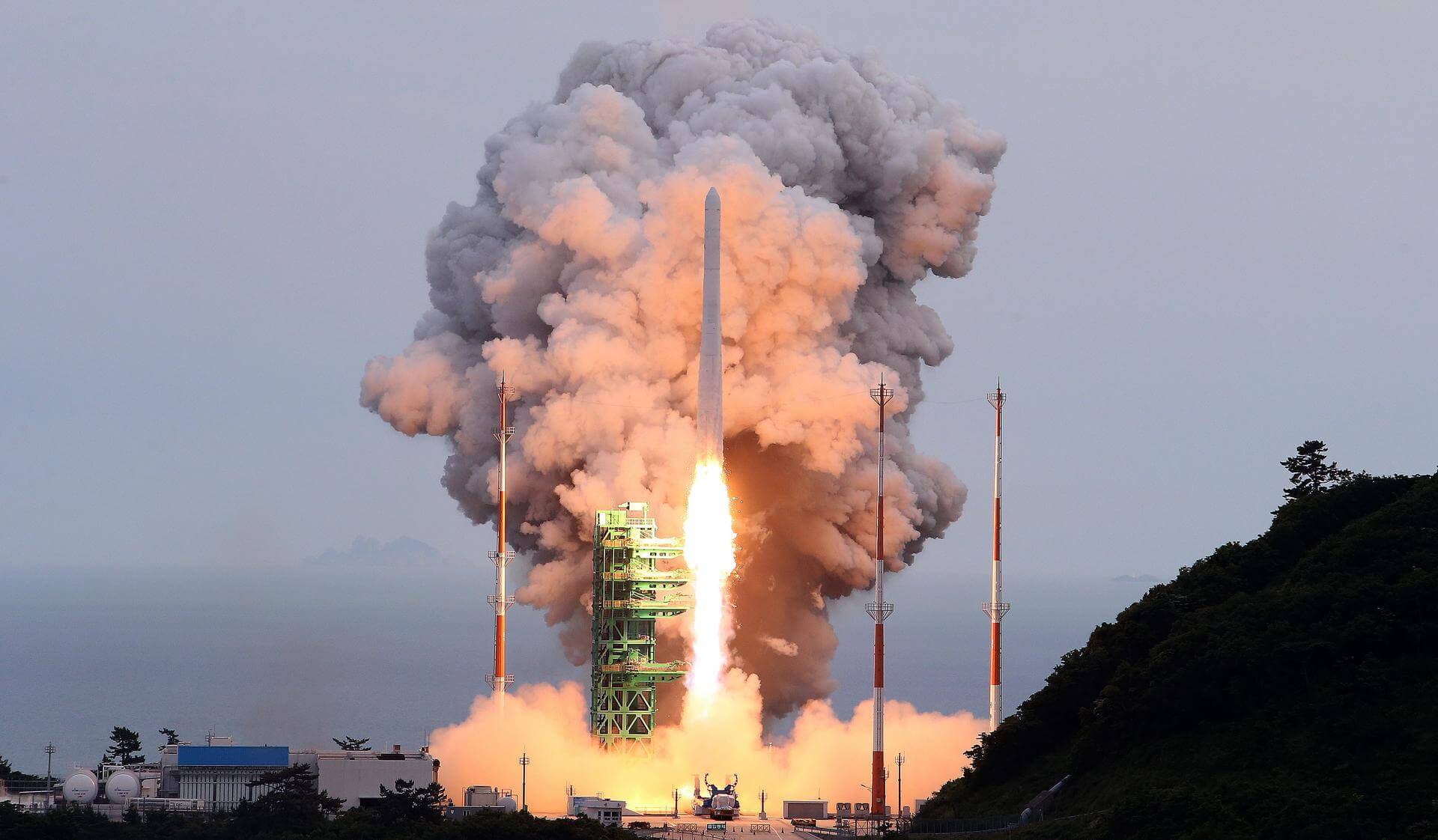
Nuri | NeonSat-7 to 11
Korea Aerospace Research Institute | South KoreaNaro Space Center, South Korea
Status: To Be Determined
Mission:
NeonSat-7 to 11 are part of the South Korean government's Earth observation micro-satellite constellation NeonSat (New-space Earth Observation Satellite). The NeonSat constellation is the first satellite system developed by the government using a mass-production approach for precise monitoring of the Korean Peninsula.
Sun-Synchronous Orbit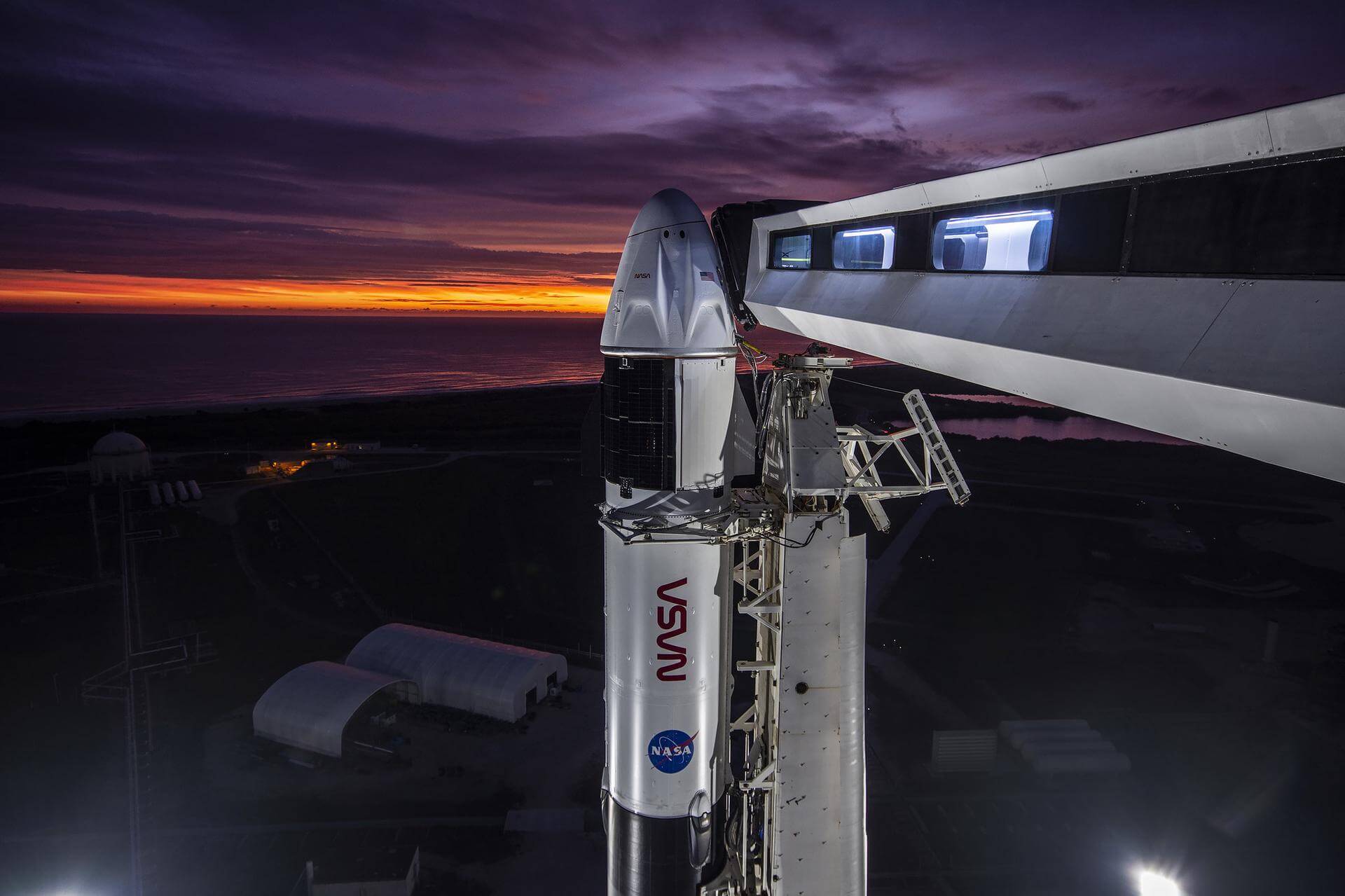
Falcon 9 Block 5 | Crew-15
SpaceX | United States of AmericaCape Canaveral SFS, FL, USA
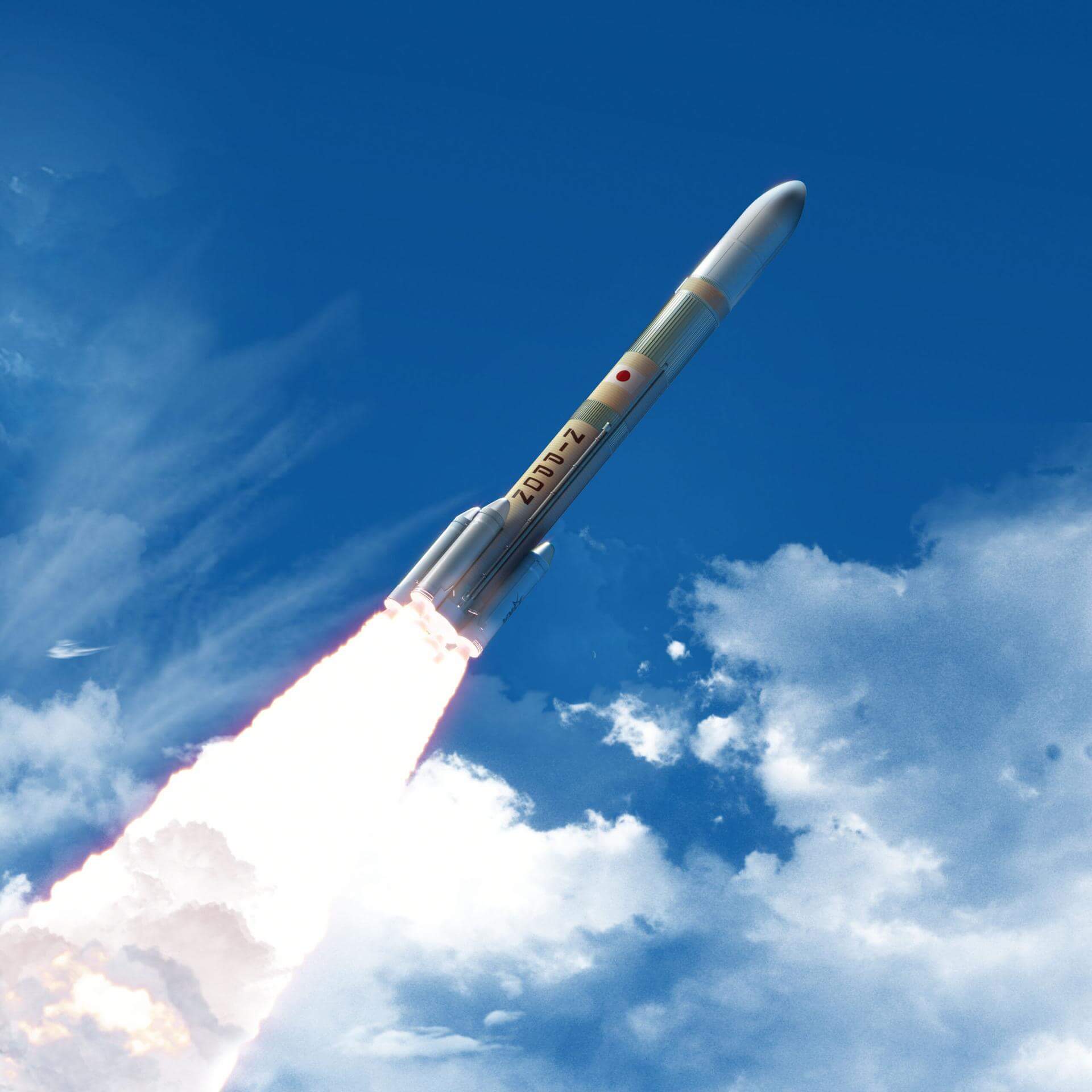
H3 | Mid-Inclination Rideshare
Mitsubishi Heavy Industries | JapanTanegashima Space Center, Japan
Status: To Be Determined
Mission:
Dedicated ride-share launch of multiple satellites for various customers: * 3 x QPS-SAR Earth observation radar satellites for iQPS * 2 x StriX Earth observation radar satellites for Synspective * ElevationSpace's ELS-R2 free-flying/returnable experiment hosting spacecraft * Other TBD ride-share satellites to be manifested by Exolaunch
Low Earth Orbit
Ariane 64 | OneWeb L?
ArianeGroup | FranceGuiana Space Centre, French Guiana
Status: To Be Determined
Mission:
A batch of satellites for the OneWeb satellite constellation, which is intended to provide global Internet broadband service for individual consumers. The constellation is planned to have around 648 microsatellites (of which 60 are spares), around 150 kg each, operating in Ku-band from low Earth orbit.
Polar OrbitFalcon 9
USSF-385
Space Launch Complex 4E - Vandenberg SFB, CA, USAA classified mission for the United States Space Force. It is possibly a batch of classified LEO satellites based on SpaceX’s Starshield satellite bu…
Electron
Owlright, Owlright, Owlright (StriX Launch 13)
Rocket Lab Launch Complex 1B - Rocket Lab Launch Complex 1, Mahia Peninsula, New ZealandSynthetic aperture radar satellite for Japanese Earth imaging company Synspective.
Long March 6A
Yaogan 40 Group 04
Launch Complex 9A - Taiyuan Satellite Launch Center, People's Republic of China3 Chinese reconnaissance satellites of unknown purposes, officially reported as for "Electromagnetic environment probing".
Long March 8A
SatNet LEO Group 26
Commercial LC-1 - Wenchang Space Launch Site, People's Republic of ChinaA batch of 9 Low Earth Orbit communication satellites for the Chinese state owned SatNet constellation operated by the China Satellite Network Group.…
Kinetica 1
9 satellites
Launch Area 130 - Jiuquan Satellite Launch Center, People's Republic of ChinaShare-ride of 9 commercial Earth observation and technology demonstration satellites to SSO, details TBD.
Falcon 9
Starlink Group 15-27
Space Launch Complex 4E - Vandenberg SFB, CA, USAA batch of 27 satellites for the Starlink mega-constellation - SpaceX's project for space-based Internet communication system.
Long March 2D
PIESAT-2 13-16
Launch Complex 9 - Taiyuan Satellite Launch Center, People's Republic of China4 X-band synthetic-aperture radar Earth observation satellites for the Chinese Earth observation satellite company PIESAT.
Electron
Owl By The Dozen (StriX Launch 12)
Rocket Lab Launch Complex 1B - Rocket Lab Launch Complex 1, Mahia Peninsula, New ZealandSynthetic aperture radar satellite for Japanese Earth imaging company Synspective.
Soyuz 2.1b/Fregat-M
Glonass-K1 No. 20 (?)
43/3 (43L) - Plesetsk Cosmodrome, Russian FederationNote: Satellite serial number and Cosmos designation not confirmed. Glonass-K are the third generation of satellite design for GLONASS satellite n…
Kuaizhou 11
SpaceTY-51 & 52
Launch Area 95A - Jiuquan Satellite Launch Center, People's Republic of China2 Earth observation radar satellites built by the Chinese satellite manufacturer SpaceTY.

