Upcoming Spaceflight Launches
Filter by Agency, Locations or Vehicles
Show All Launches
Falcon 9 Block 5 | Skynet 6A
SpaceX | United States of AmericaCape Canaveral SFS, FL, USA
Status: To Be Determined
Mission:
The Skynet 6A gap-filler military communications satellite built by Airbus Defence and Space to cover the gap between the Britisch Skynet-5 network and its successor. Skynet 6A was solesourced from Airbus Defence and Space in 2017, but was not fully funded until July 2020. Aibus will build the Skynet-6A satellite in the United Kingdom and arrange a 2025 launch. RAL Space, a U.K. national laboratory, will test the all-electric satellite at its facility in Harwell. Skynet-6A, based on the Eurostar-Neo platform, is expected to provide communications services for the British military until at least 2040.
Geostationary Transfer OrbitFalcon 9 Block 5 | Telesat Lightspeed 10
SpaceX | United States of AmericaCape Canaveral SFS, FL, USA
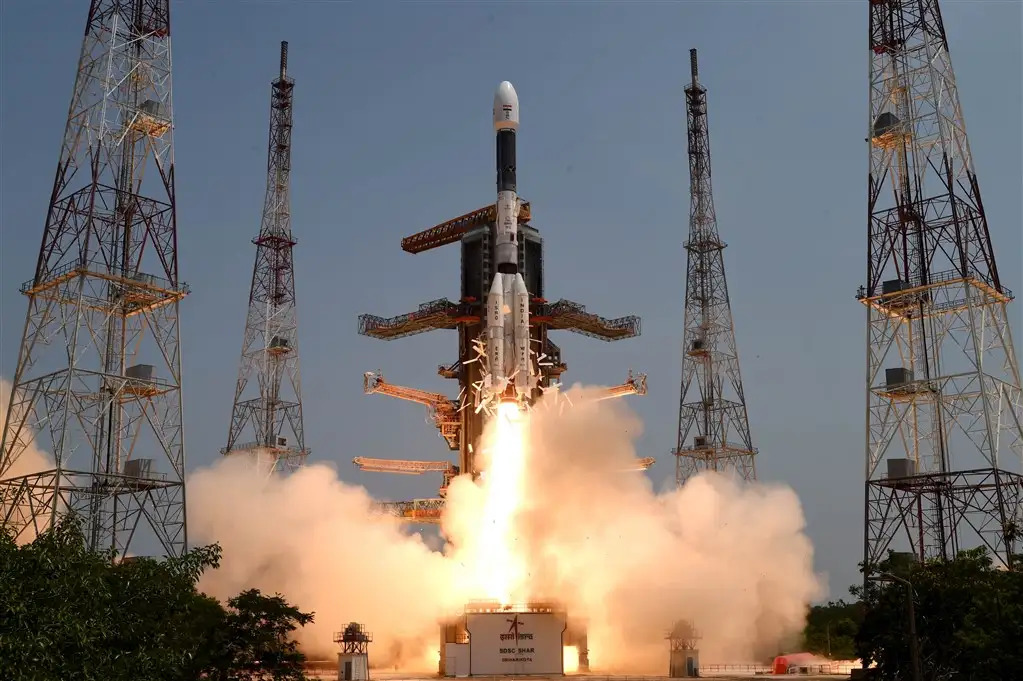
GSLV Mk II | IRNSS-1N (NVS-05)
Indian Space Research Organization | IndiaSatish Dhawan Space Centre, India
Status: To Be Determined
Mission:
This is a replacement satellite for the Indian Regional Navigation Satellite System. The constellation will provide India with an alternative to GPS and will be used for military and civilian use. Located at a geosynchronous orbit, the system will be operated by the Indian government.
Geostationary Transfer Orbit
Vulcan VC4L | Dream Chaser CRS 2 Flight 2
United Launch Alliance | United States of AmericaCape Canaveral SFS, FL, USA
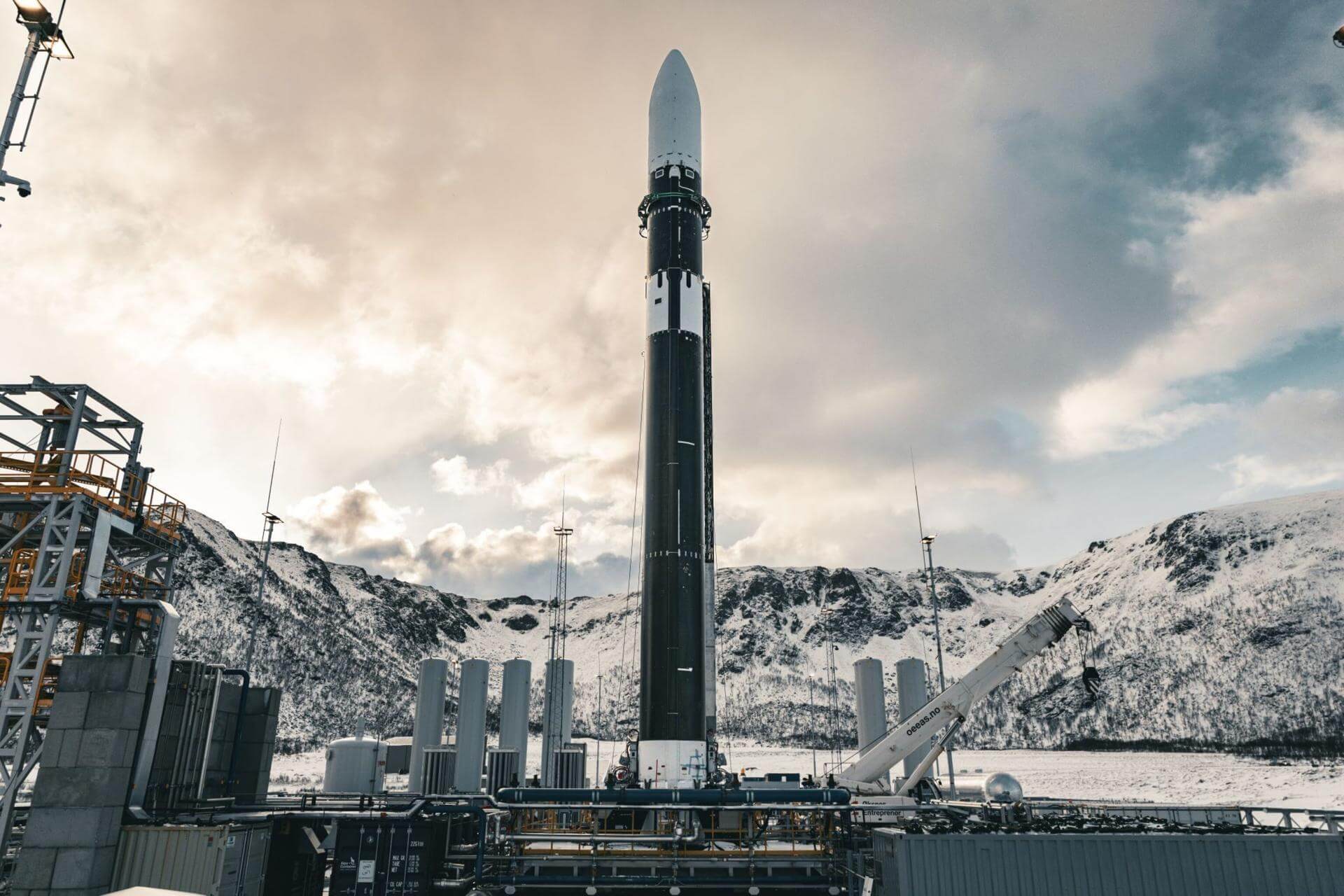
Spectrum | ADRAS-J2
Isar Aerospace | GermanyAndøya Spaceport
Status: To Be Determined
Mission:
ADRAS-J2 is a active orbital debris removal mission spacecraft developed and operated by Astroscale as part of Japan Aerospace Exploration Agency's (JAXA) Commercial Removal of Debris Demonstration project. It will demonstrate active debris removal by safely approaching and capturing a non-cooperative H-IIA rocket upper stage. The target object measures approximately 11 meters in length, four meters in diameter and weighs around three tons. The mission aims to address the increasingly critical issue of space debris, in which unprepared objects in orbit pose an additional challenge as they have not been prepared with any technologies that enable docking or potential servicing or removal.
Sun-Synchronous Orbit
Maia | OneWeb L?
MaiaSpace | FranceGuiana Space Centre, French Guiana

SpaceShipTwo | Purdue 1
Virgin Galactic | United States of AmericaAir launch to Suborbital flight
Falcon 9 Block 5 | FOO Fighter (F2)
SpaceX | United States of AmericaCape Canaveral SFS, FL, USA
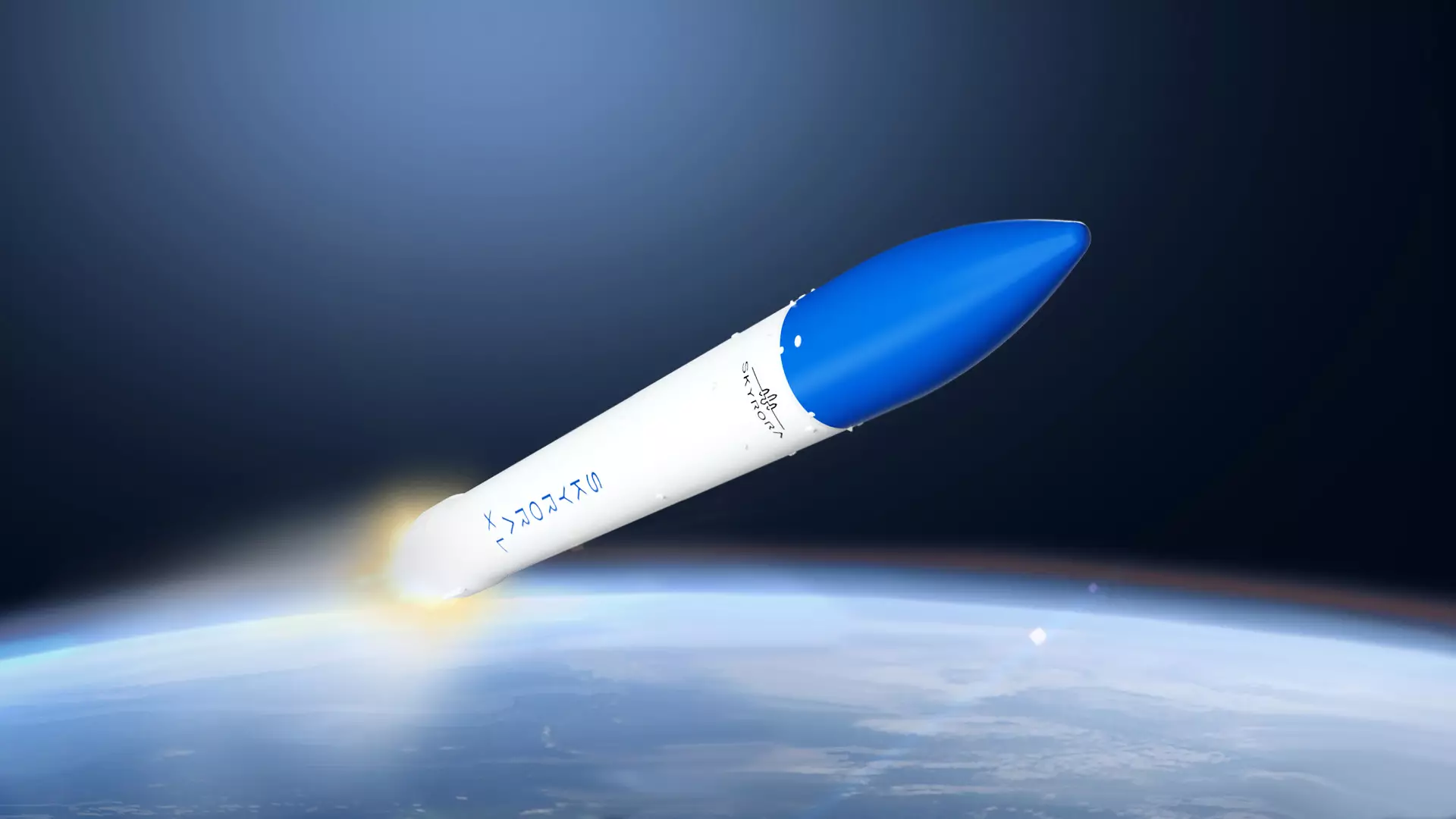
Skyrora XL | Maiden flight
Skyrora | United KingdomSaxaVord Spaceport
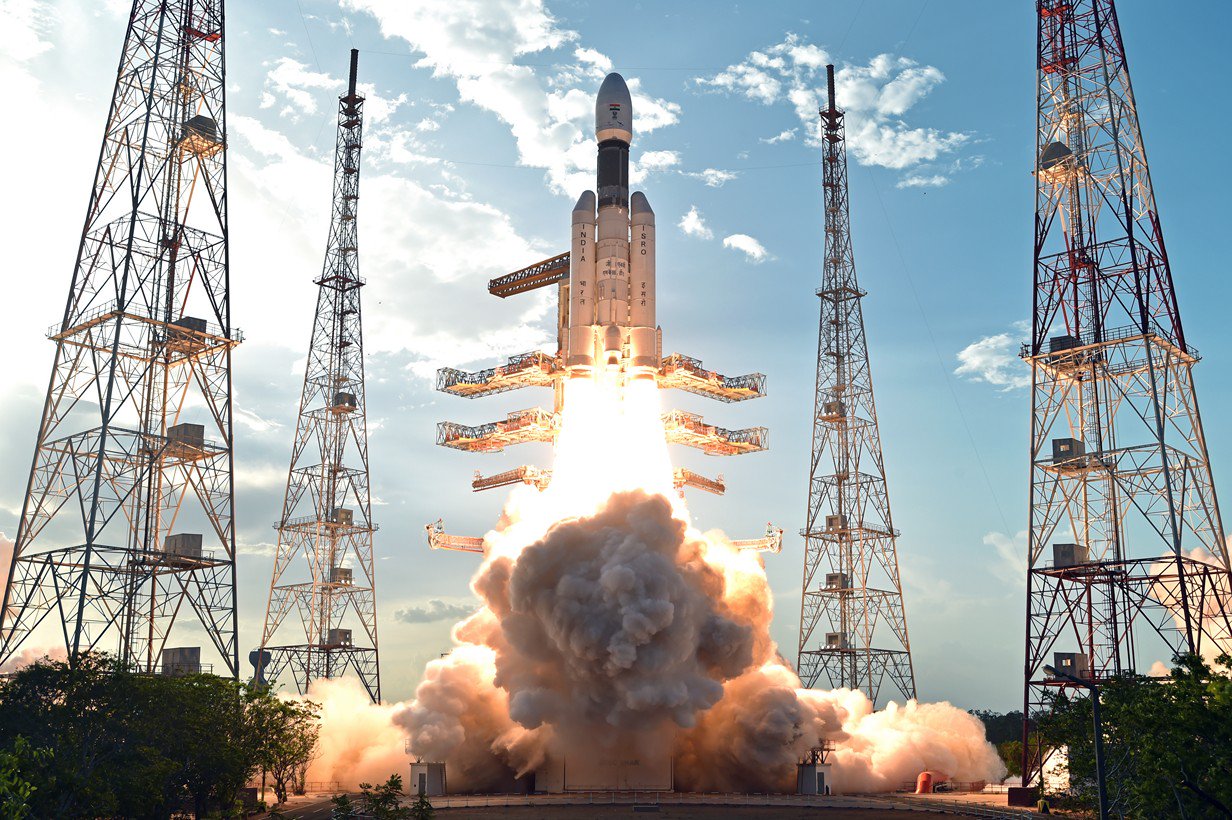
LVM-3 | Gaganyaan-4
Indian Space Research Organization | IndiaSatish Dhawan Space Centre, India
Falcon 9
USSF-385
Space Launch Complex 4E - Vandenberg SFB, CA, USAA classified mission for the United States Space Force. It is possibly a batch of classified LEO satellites based on SpaceX’s Starshield satellite bu…
Electron
Owlright, Owlright, Owlright (StriX Launch 13)
Rocket Lab Launch Complex 1B - Rocket Lab Launch Complex 1, Mahia Peninsula, New ZealandSynthetic aperture radar satellite for Japanese Earth imaging company Synspective.
Long March 6A
Yaogan 40 Group 04
Launch Complex 9A - Taiyuan Satellite Launch Center, People's Republic of China3 Chinese reconnaissance satellites of unknown purposes, officially reported as for "Electromagnetic environment probing".
Long March 8A
SatNet LEO Group 26
Commercial LC-1 - Wenchang Space Launch Site, People's Republic of ChinaA batch of 9 Low Earth Orbit communication satellites for the Chinese state owned SatNet constellation operated by the China Satellite Network Group.…
Kinetica 1
9 satellites
Launch Area 130 - Jiuquan Satellite Launch Center, People's Republic of ChinaShare-ride of 9 commercial Earth observation and technology demonstration satellites to SSO, details TBD.
Falcon 9
Starlink Group 15-27
Space Launch Complex 4E - Vandenberg SFB, CA, USAA batch of 27 satellites for the Starlink mega-constellation - SpaceX's project for space-based Internet communication system.
Long March 2D
PIESAT-2 13-16
Launch Complex 9 - Taiyuan Satellite Launch Center, People's Republic of China4 X-band synthetic-aperture radar Earth observation satellites for the Chinese Earth observation satellite company PIESAT.
Electron
Owl By The Dozen (StriX Launch 12)
Rocket Lab Launch Complex 1B - Rocket Lab Launch Complex 1, Mahia Peninsula, New ZealandSynthetic aperture radar satellite for Japanese Earth imaging company Synspective.
Soyuz 2.1b/Fregat-M
Glonass-K1 No. 20 (?)
43/3 (43L) - Plesetsk Cosmodrome, Russian FederationNote: Satellite serial number and Cosmos designation not confirmed. Glonass-K are the third generation of satellite design for GLONASS satellite n…
Kuaizhou 11
SpaceTY-51 & 52
Launch Area 95A - Jiuquan Satellite Launch Center, People's Republic of China2 Earth observation radar satellites built by the Chinese satellite manufacturer SpaceTY.

