Upcoming Spaceflight Launches
Filter by Agency, Locations or Vehicles
Show All Launches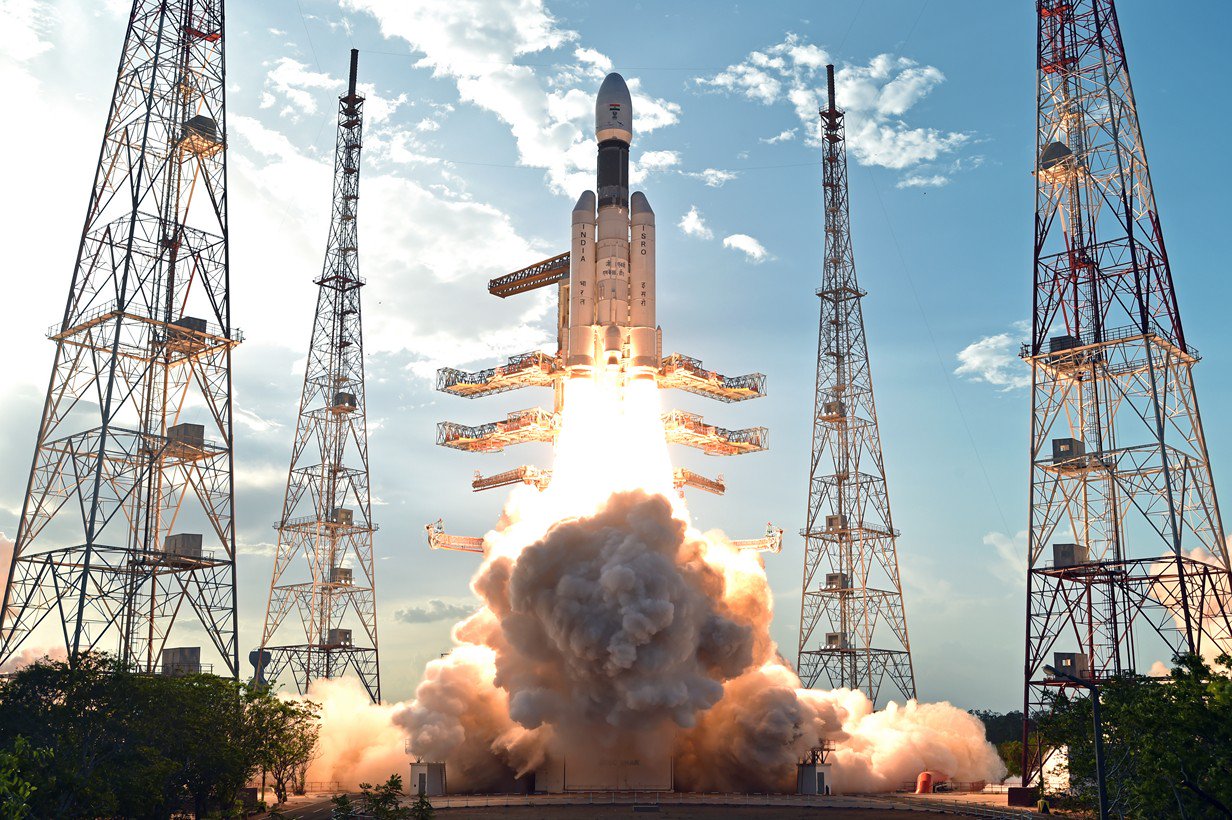
LVM-3 | Gaganyaan-2
Indian Space Research Organization | IndiaSatish Dhawan Space Centre, India
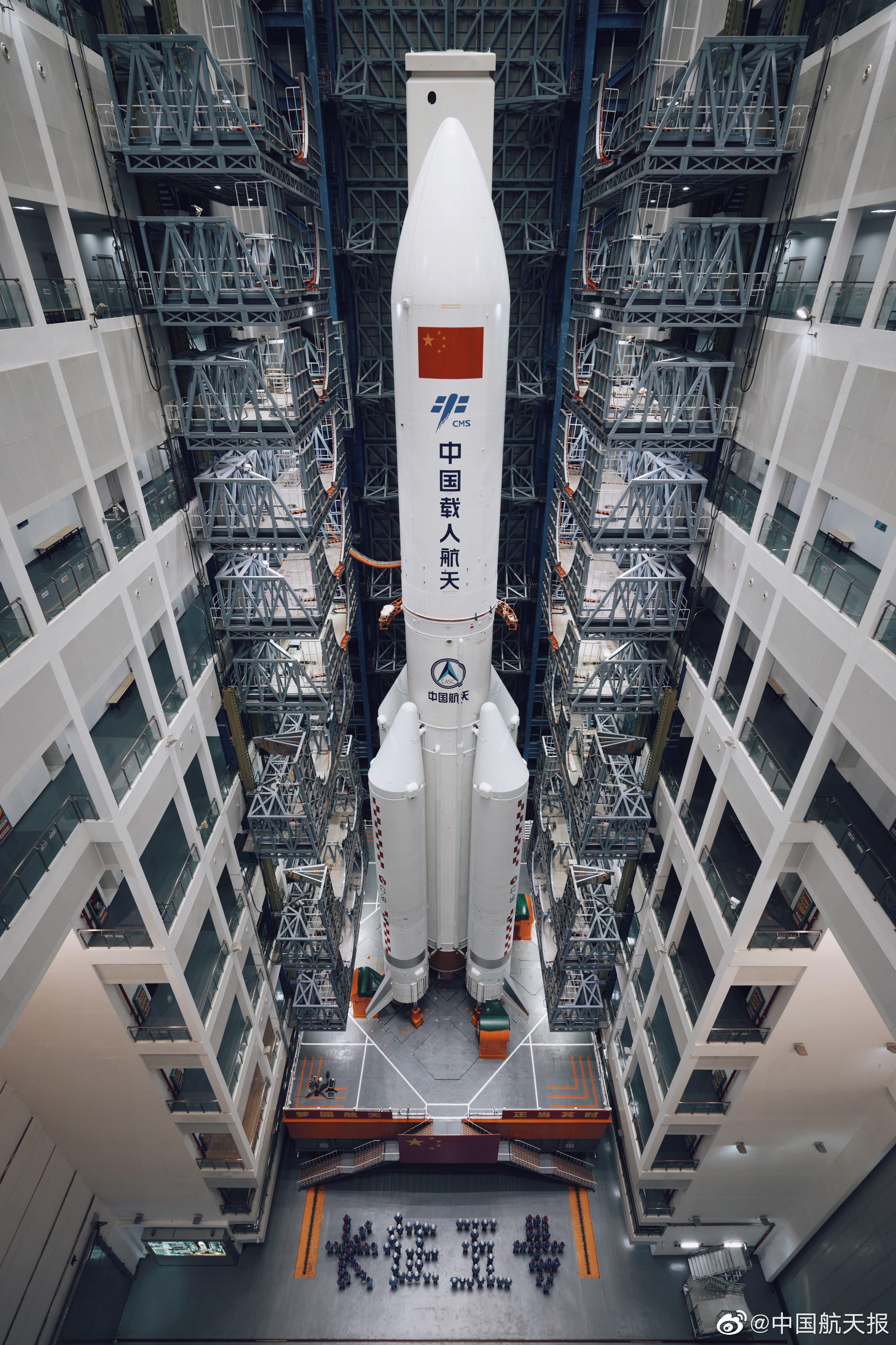
Long March 5B | Xuntian Telescope
China Aerospace Science and Technology Corporation | ChinaWenchang Space Launch Site, People's Republic of China
Status: To Be Determined
Mission:
Xuntian, formerly known as the Chinese Space Station Telescope (CSST), is a Chinese space telescope designed to perform high-resolution, large-area, multi-band imaging and slit-less spectroscopy surveys of the sky at ultraviolet to infrared wavelengths of 255 – 1000 nm. The survey camera is slated to cover approximately 17500 square degrees of the sky in various bands, reaching maximum magnitudes of about 26. Xuntian will carry a survey camera, a tera-hertz receiver, a multi-channel imager, an integral field spectrograph, and a cool planet imaging coronagraph. Xuntian will be launched to a Low Earth Orbit that will be co-orbiting with the Tiangong space station/Chinese Space Station, which will allow for periodic docking with the station for regular maintenance by astronauts.
Low Earth Orbit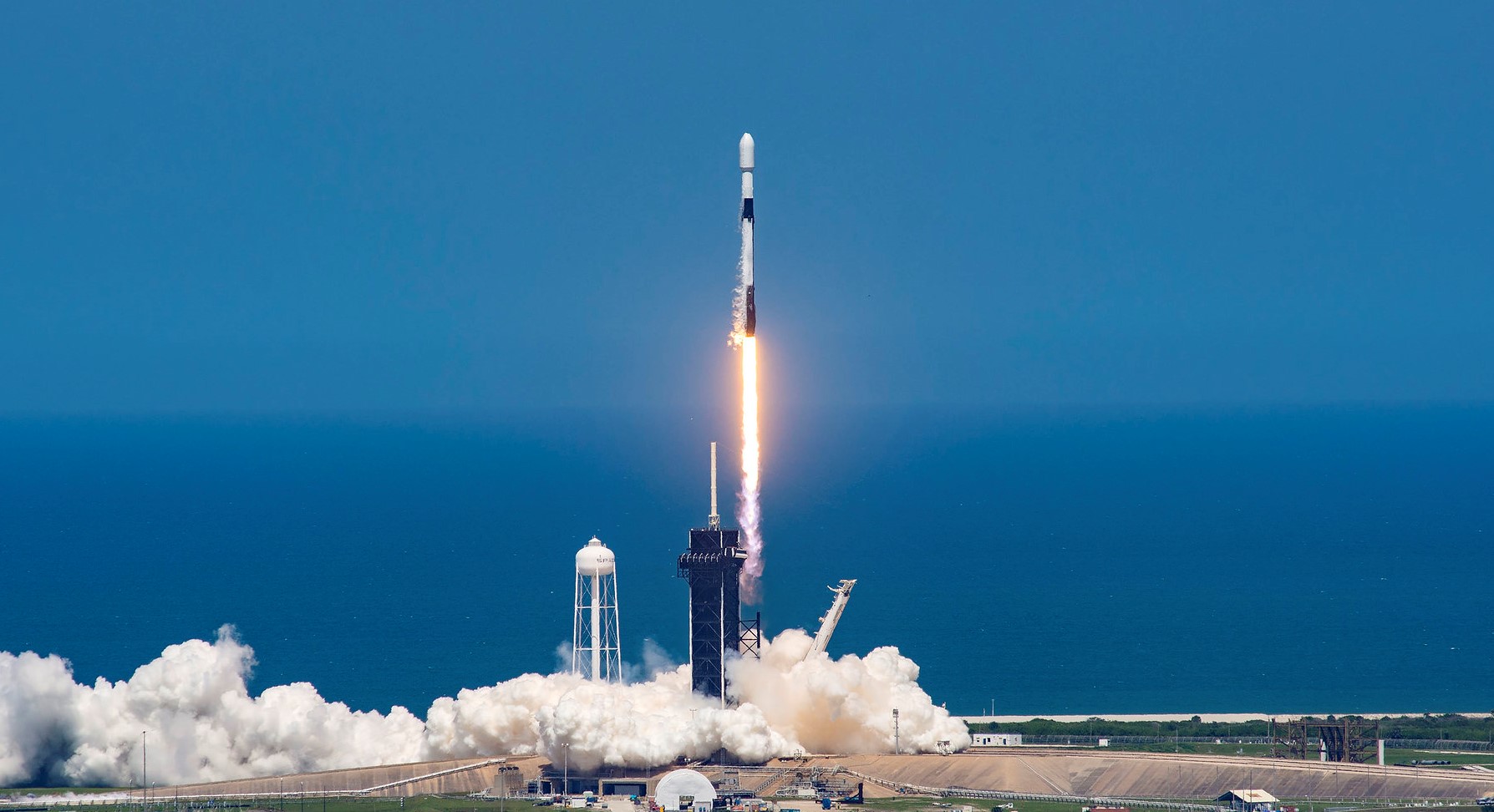
Falcon 9 Block 5 | Al Yah 4
SpaceX | United States of AmericaCape Canaveral SFS, FL, USA
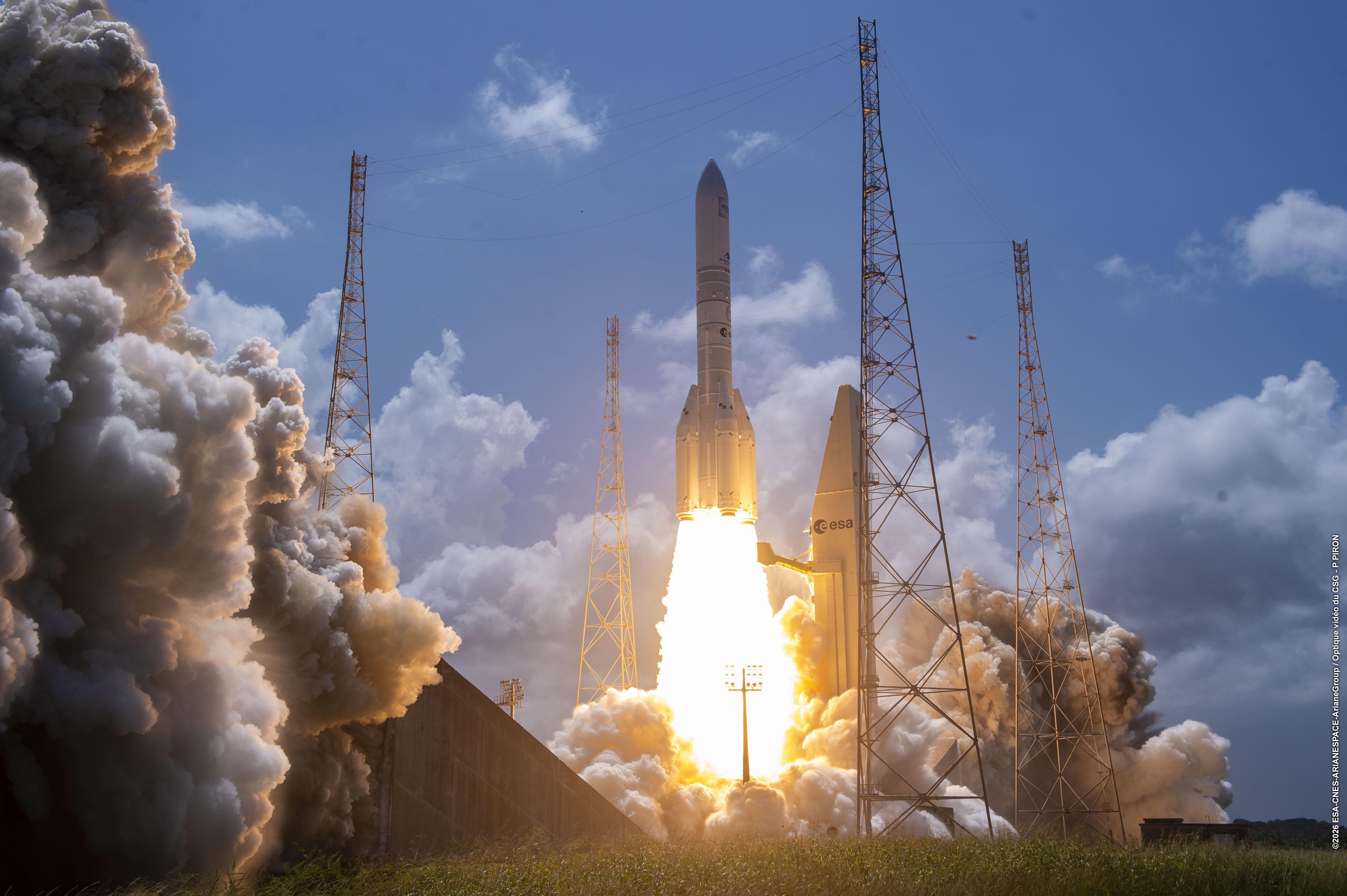
Ariane 64 | Optus-11
ArianeGroup | FranceGuiana Space Centre, French Guiana
Status: To Be Determined
Mission:
Optus-11 is a Ku-band communications satellite with a coverage zone encompassing Australia and New Zealand. Optus-11 incorporates a number of advanced technologies, especially the latest developments in digital processing, plus active antennas enabling the creation of several thousand beams.
Geostationary Transfer Orbit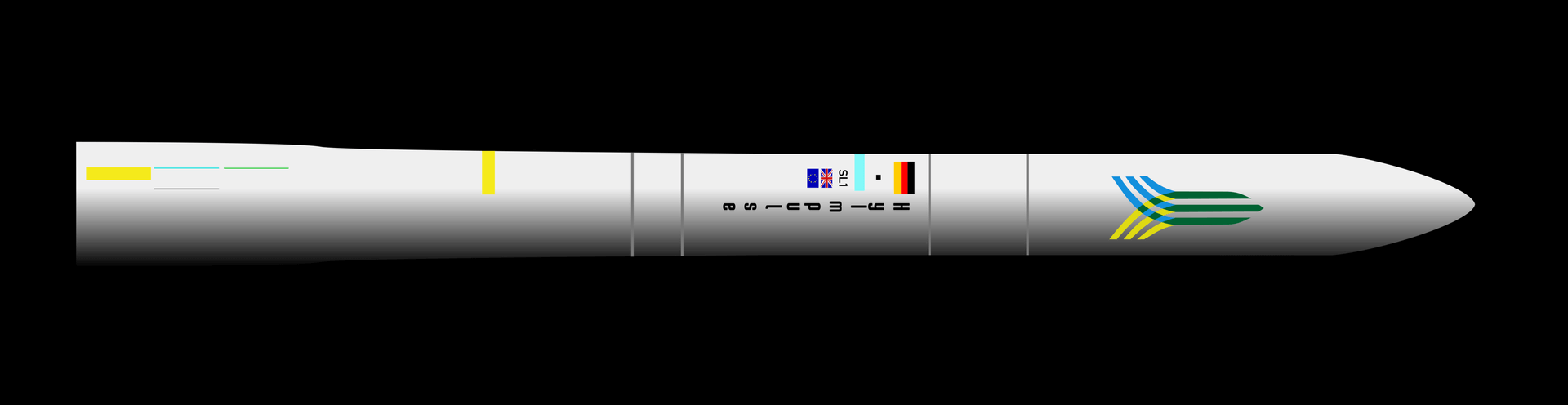
SL1 | Demo Flight
HyImpulse | GermanySaxaVord Spaceport
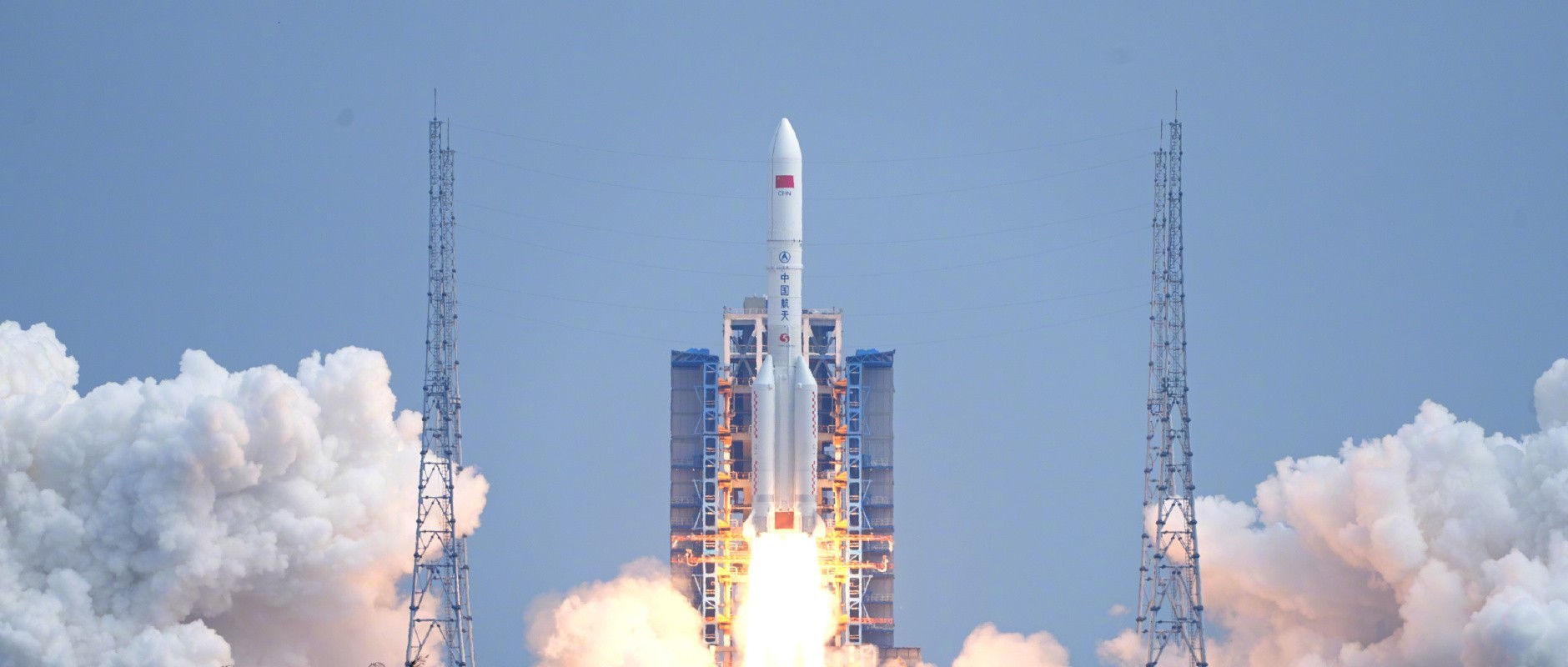
Long March 5 | Chang'e 7
China Aerospace Science and Technology Corporation | ChinaWenchang Space Launch Site, People's Republic of China
Status: To Be Determined
Mission:
Chang'e 7/CE-7 is scheduled to launch in 2026, including an orbiter, a lander, a mini-hopping probe, and a rover. The mission will land in the South Pole regions of the Moon to study lunar surface environment around the South Pole, especially in looking for water ice in lunar soil.
Lunar OrbitLVM-3 | Chandrayaan-4 First Launch
Indian Space Research Organization | IndiaSatish Dhawan Space Centre, India
Status: To Be Determined
Mission:
Chandrayaan-4 is a planned lunar sample-return mission of Indian Space Research Organisation (ISRO) and will be the fourth mission of its Chandrayaan programme. The mission consist of five modules, namely the DM (Descender Module), AM (Ascender Module), TM (Transfer Module), RM (Re-entry Module) and PM (Propulsion Module). The planned mission life is 1 lunar day and the landing site will be near the Lunar South Pole. The first launch will lift the DM (Descender Module) and AM (Ascender Module) to orbit.
Lunar Orbit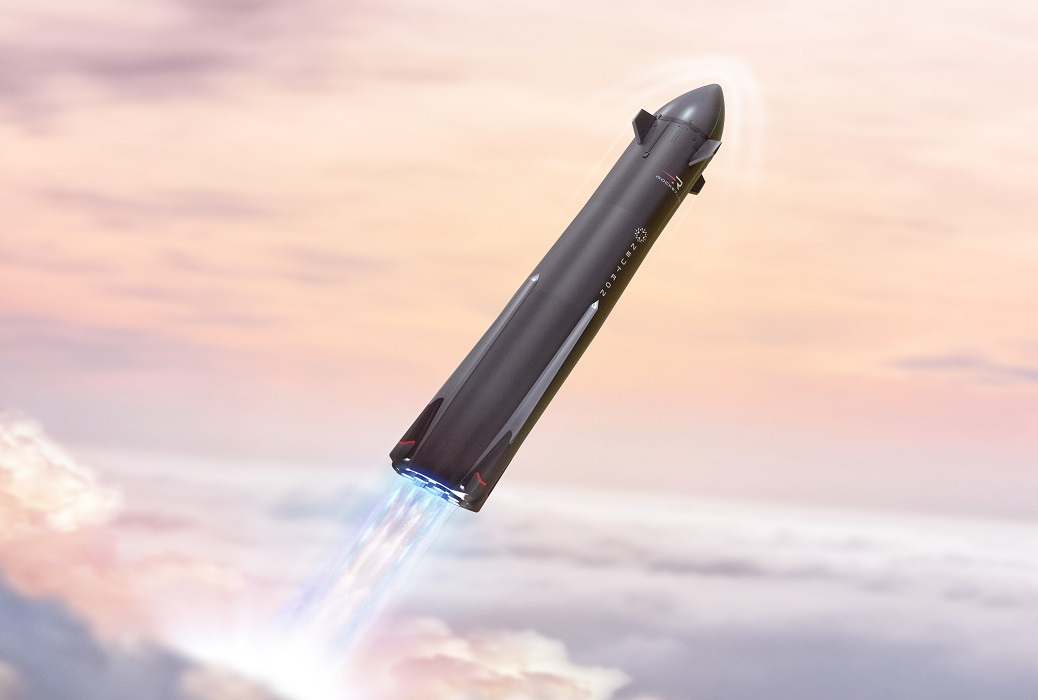
Neutron | Maiden Flight
Rocket Lab | United States of AmericaWallops Flight Facility, Virginia, USA
Falcon 9 Block 5 | Chinggis Sat
SpaceX | United States of AmericaCape Canaveral SFS, FL, USA
Status: To Be Determined
Mission:
Chinggis Sat is a Mongolian national geostationary orbit telecommunications satellite for the Mongolia Ministry of Digital Development and Communications. Thales Alenia Space will be responsible for construction of the high-performance Ku-Band satellite. Once launched, the satellite will make high-speed internet available throughout Mongolia, including to those in rural areas and under-served nomadic communities, enabling easier and wider access to services such as tele-medicine, e-learning, e-government services and supporting the growth of high value add sectors of the economy. It will be positioned at the 113.6° E orbital slot and will be based on the space-proven, cutting-edge SpaceBus 4000 satellite bus.
Geostationary Transfer OrbitFalcon 9 Block 5 | Telesat Lightspeed 6
SpaceX | United States of AmericaCape Canaveral SFS, FL, USA
Long March 2D
CAS Pathfinder-1
Launch Area 94 (SLS-2 / 603) - Jiuquan Satellite Launch Center, People's Republic of ChinaThe Chinese Academy of Science (CAS)' Pathfinder-1 satellites is built for in-orbit validation of critical technologies for the upcoming main mission…
Long March 12
SatNet LEO Group 29
Commercial LC-2 - Wenchang Space Launch Site, People's Republic of ChinaA batch of 9 Low Earth Orbit communication satellites for the Chinese state owned SatNet constellation operated by the China Satellite Network Group.…
Soyuz 2.1b/Fregat-M
Glonass-K1? (Kosmos 2621?)
43/3 (43L) - Plesetsk Cosmodrome, Russian FederationNote: Payload identity uncertain. Glonass-K are the third generation of satellite design for GLONASS satellite navigation system. GLONASS is a Rus…
Falcon 9
USSF-432
Space Launch Complex 4E - Vandenberg SFB, CA, USAA classified mission for the United States Space Force. It is possibly a batch of classified LEO satellites based on SpaceX’s Starshield satellite bu…
Ceres-2
4 satellites
Launch Area 95A - Jiuquan Satellite Launch Center, People's Republic of ChinaShare-ride of 4 commercial Earth observation and technology demonstration satellites to SSO, details TBD.
Long March 2C
Yaogan 51-07 to 09
Launch Complex 3 (LC-3/LA-1) - Xichang Satellite Launch Center, People's Republic of China3 Chinese military “remote sensing” satellite of unknown purposes.
Kinetica 2
SpaceSail Polar Group #17
Launch Area 140 - Jiuquan Satellite Launch Center, People's Republic of China18 Low Earth Orbit communication satellites with Ku, Q and V band payloads for the G60 constellation operated by Shanghai Spacesail Technologies with…
Electron
The Sea God Surveys (iQPS Launch 9)
Rocket Lab Launch Complex 1A - Rocket Lab Launch Complex 1, Mahia Peninsula, New ZealandSynthetic aperture radar Earth observation satellite for Japanese Earth imaging company iQPS.
Falcon 9
Starlink Group 15-18
Space Launch Complex 4E - Vandenberg SFB, CA, USAA batch of 27 satellites for the Starlink mega-constellation - SpaceX's project for space-based Internet communication system.
GSLV Mk II
IRNSS-1L (NVS-03)
Satish Dhawan Space Centre Second Launch Pad - Satish Dhawan Space Centre, IndiaThis is a replacement satellite for the Indian Regional Navigation Satellite System. The constellation will provide India with an alternative to GPS …