Upcoming Spaceflight Launches
Filter by Agency, Locations or Vehicles
Show All Launches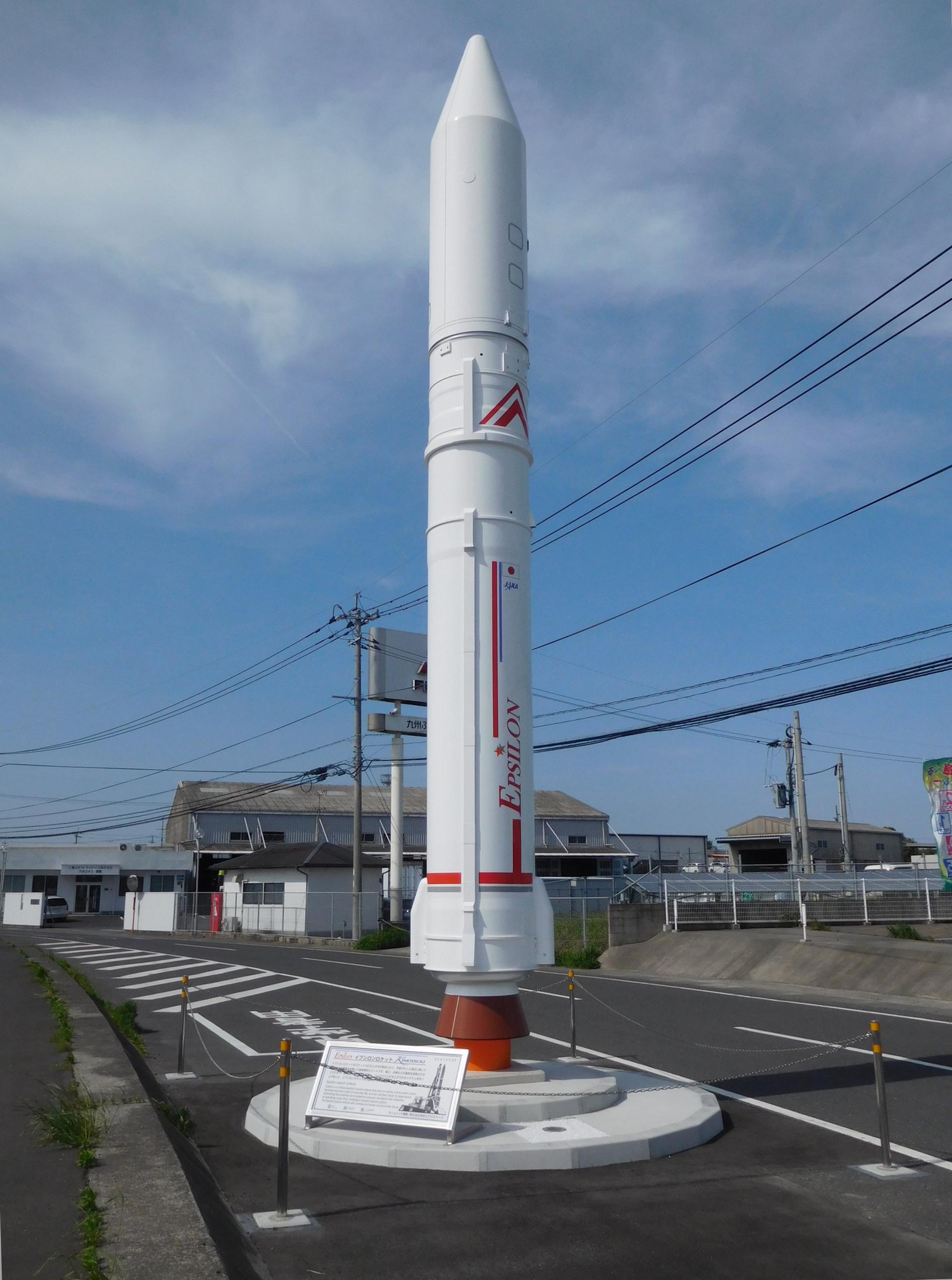
Epsilon S | SOLAR-C
Japan Aerospace Exploration Agency | JapanUchinoura Space Center, Japan
Status: To Be Determined
Mission:
SOLAR-C is a Japan-led international mission with the cooperation by the US and European countries. It aims to gain new insights into the fundamental physical mechanisms driving solar plasma dynamics by performing three simultaneous UV observations. The first consists to observe the broad range of temperatures, spanning over three orders of magnitude from the 10,000 Kelvin chromosphere to the million Kelvin corona, and even to the 15 million Kelvin solar flares. The second consists to resolve the elemental structures at high spatial (0.4 arcsec) and temporal (1 sec) resolution and trace their evolutions by increasing the ability to collect the solar UV rays 10 to 30 times as much as before. The third consists to conduct a high dispersion spectroscopy (equivalent to a velocity resolution of 2 km/s) to obtain spectroscopic information that enables quantitative diagnostics (such as velocity, temperature, density, ionization degree, and abundance). By combining the three observations, SOLAR-C can analyze the dynamically evolving solar atmospheres over a wide altitude range from the chromosphere to the corona while resolving elemental structures.
Sun-Synchronous Orbit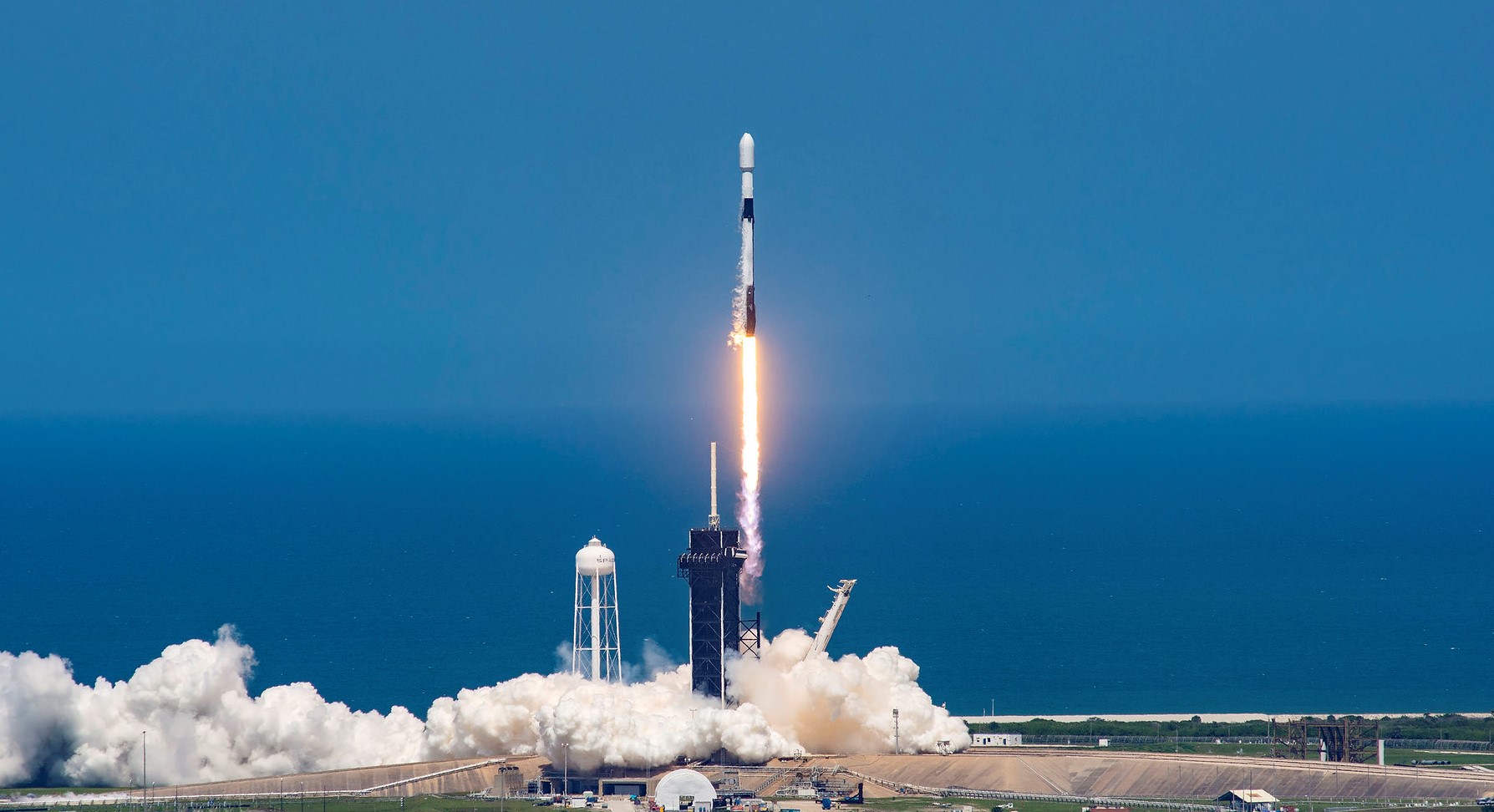
Falcon 9 Block 5 | Al Yah 5
SpaceX | United States of AmericaCape Canaveral SFS, FL, USA
Falcon 9 Block 5 | GRACE-C
SpaceX | United States of AmericaVandenberg SFB, CA, USA
Status: To Be Determined
Mission:
GRACE-C (Gravity Recovery and Climate Experiment-Continuity) is a successor to the original GRACE and GRACE-FO missions, providing month-to-month changes of Earth's gravity field to track water movement and surface mass changes across the planet, monitoring variations in ice sheets, glaciers, underground water storage, soil moisture, and sea levels. GRACE-C consists of two identical satellites flying around 200 km apart at an orbit altitude of 500 km with an inclination of 89 degrees. Each satellite will measure approximately 3 x 2 x 1 meters and weigh around 600 kg. This launch will also carry ride-sharing small satellites via Exolaunch.
Polar Orbit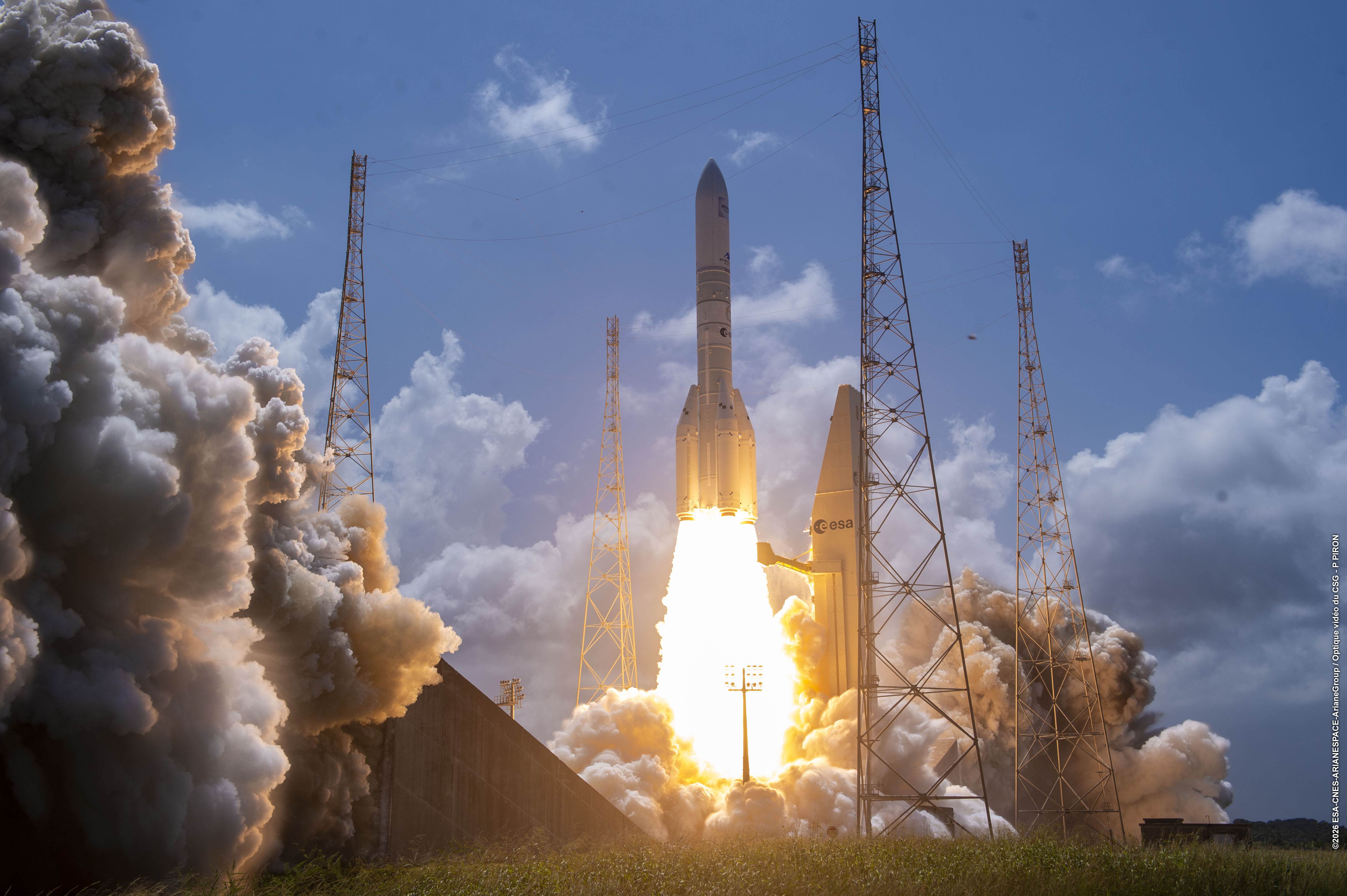
Ariane 64 | OneWeb L?
ArianeGroup | FranceGuiana Space Centre, French Guiana
Status: To Be Determined
Mission:
A batch of satellites for the OneWeb satellite constellation, which is intended to provide global Internet broadband service for individual consumers. The constellation is planned to have around 648 microsatellites (of which 60 are spares), around 150 kg each, operating in Ku-band from low Earth orbit.
Polar Orbit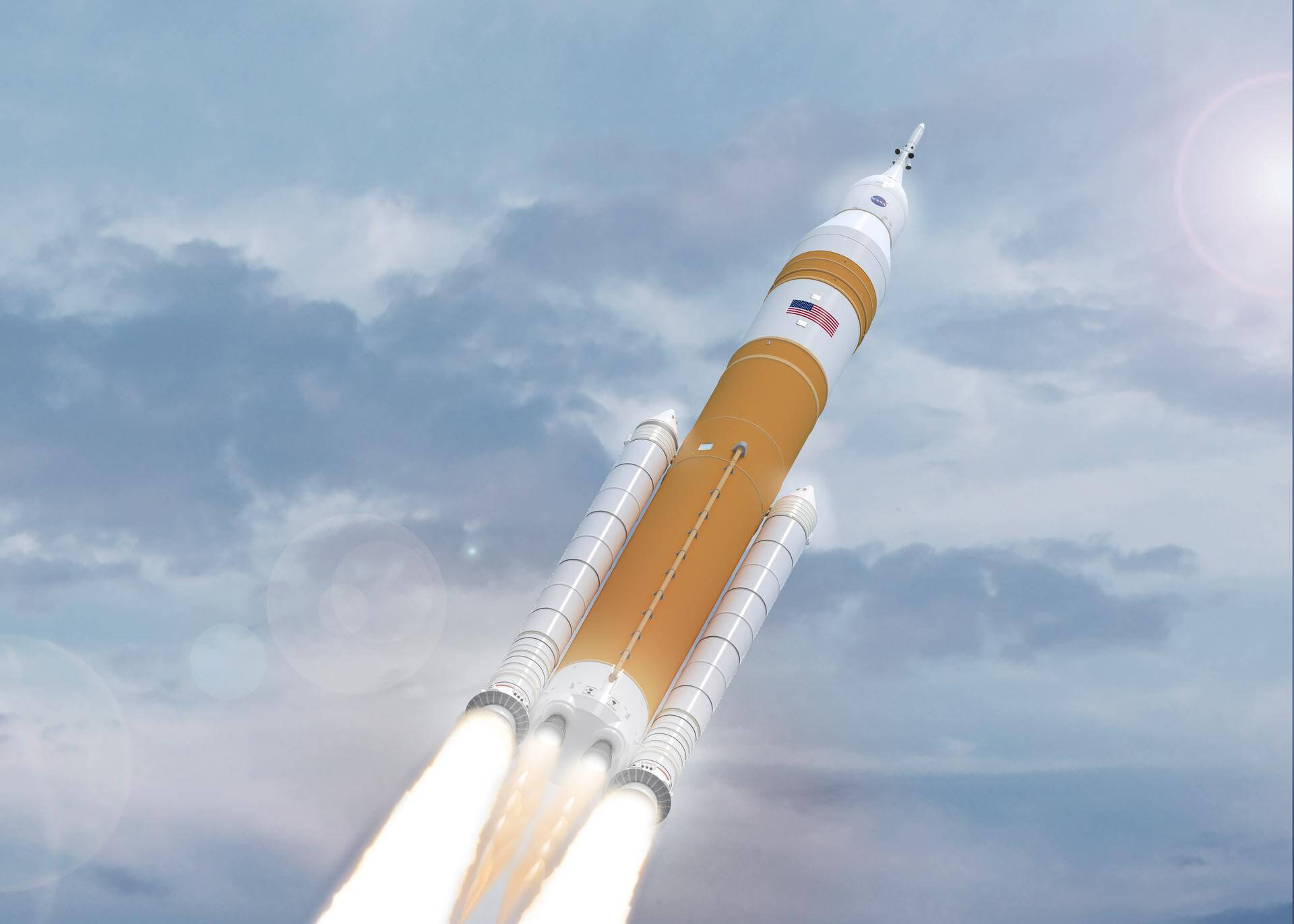
SLS Block 1B | Artemis V
National Aeronautics and Space Administration | United States of AmericaKennedy Space Center, FL, USA
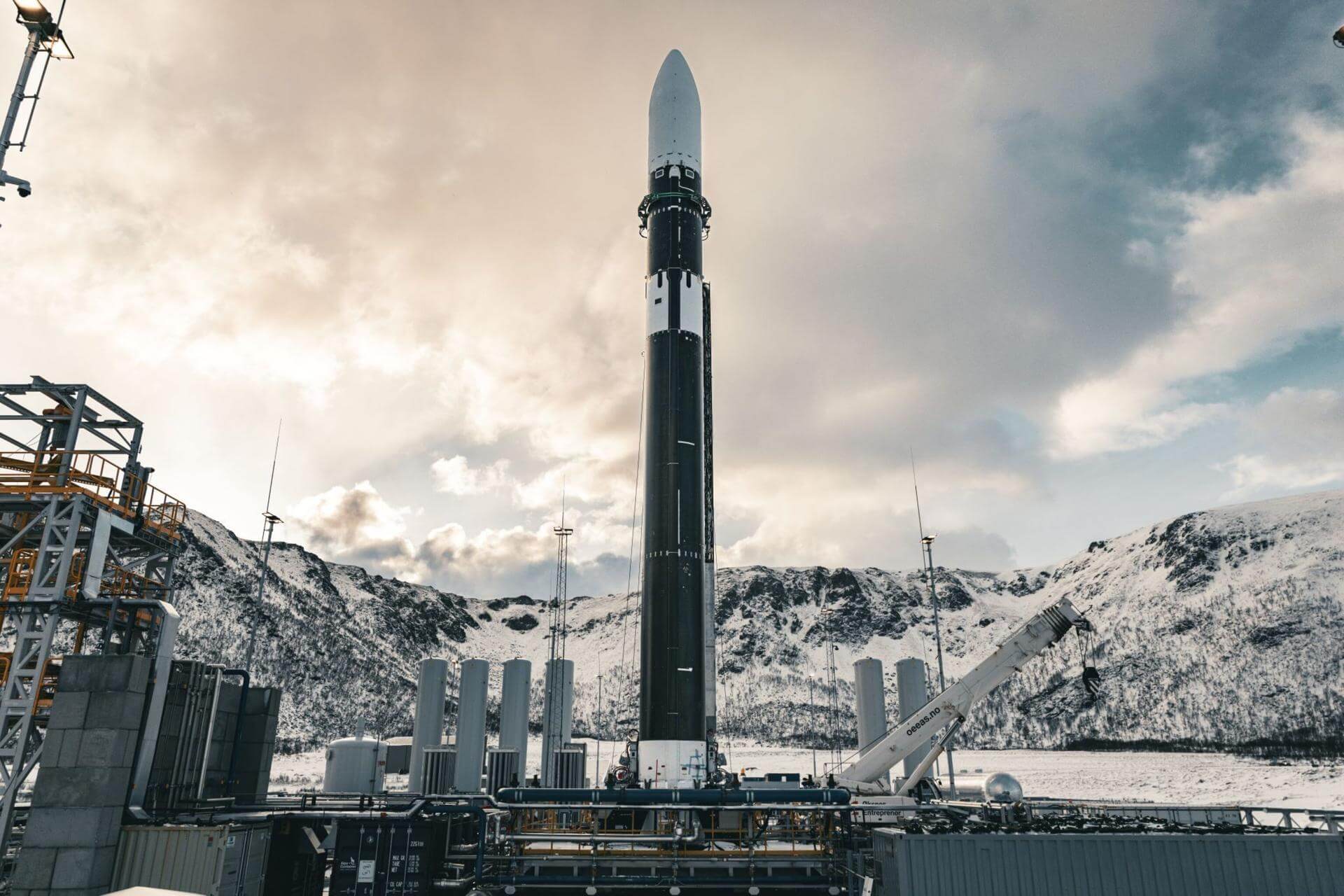
Spectrum | ELSA-M
Isar Aerospace | GermanyAndøya Spaceport
Status: To Be Determined
Mission:
ELSA-M (End of Life Services by Astroscale – Multiple) is Astroscale’s commercial satellite service designed to remove inactive satellites from orbit. It is the world's first End-of-Life (EOL) service for prepared, full-sized commercial end customers, harnessing magnetic capture for multiple satellite removals. The in-orbit demonstration mission is a partnership programme led by Astroscale and supported by the UK Space Agency, ESA, and the commercial satellite operator Eutelsat through the Sunrise Partnership Project, a public–private partnership between ESA and Eutelsat Group. The mission will safely approach and dock with a Eutelsat OneWeb communications satellite at its end of life, then remove it from orbit. This world first commercial ‘de-orbit as a service’ demonstration showcases the technologies and operational capability needed to reduce collision risk in Earth’s increasingly crowded Low Earth Orbit.
Polar OrbitSpectrum | AOS-Demo & Precursor
Isar Aerospace | GermanyAndøya Spaceport
Status: To Be Determined
Mission:
Two satellites for the Norwegian Space Agency’s Arctic Ocean Surveillance (AOS) program. AOS-Demo will be built by thr Norwegian engineering company Eidel to demonstrate maritime monitoring technologies. AOS-Precursor will be built by Kongsberg Defence & Aerospace as the first operational satellite of the system to track maritime activities in the Arctic.
Sun-Synchronous OrbitAriane 64 | Koreasat 9
ArianeGroup | FranceGuiana Space Centre, French Guiana
Status: To Be Determined
Mission:
Koreasat 9 is a new geostationary telecommunications satellite designed and built by AscendArc to expand South Korea's KT SAT's capacity and support the growing demand for high-performance connectivity services. Once in its operational position in geostationary orbit, the satellite will provide hundreds of Gbps of Ka-band capacity, extending affordable broadband connectivity to underserved communities across the Asia-Pacific region.
Geostationary Transfer Orbit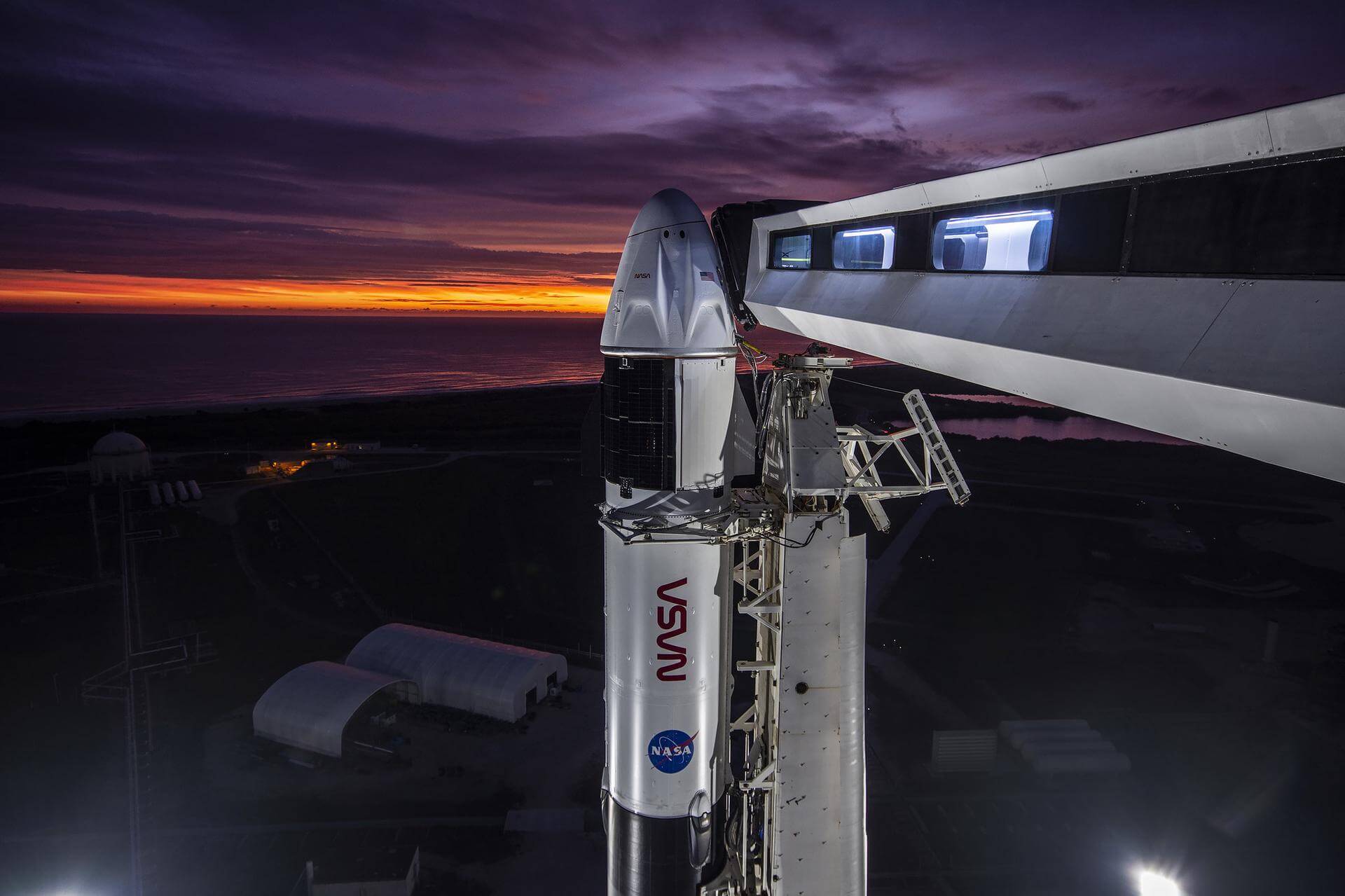
Falcon 9 Block 5 | Crew-17
SpaceX | United States of AmericaCape Canaveral SFS, FL, USA
Falcon 9 Block 5 | Crew-16
SpaceX | United States of AmericaCape Canaveral SFS, FL, USA
Falcon 9
USSF-385
Space Launch Complex 4E - Vandenberg SFB, CA, USAA classified mission for the United States Space Force. It is possibly a batch of classified LEO satellites based on SpaceX’s Starshield satellite bu…
Electron
Owlright, Owlright, Owlright (StriX Launch 13)
Rocket Lab Launch Complex 1B - Rocket Lab Launch Complex 1, Mahia Peninsula, New ZealandSynthetic aperture radar satellite for Japanese Earth imaging company Synspective.
Long March 6A
Yaogan 40 Group 04
Launch Complex 9A - Taiyuan Satellite Launch Center, People's Republic of China3 Chinese reconnaissance satellites of unknown purposes, officially reported as for "Electromagnetic environment probing".
Long March 8A
SatNet LEO Group 26
Commercial LC-1 - Wenchang Space Launch Site, People's Republic of ChinaA batch of 9 Low Earth Orbit communication satellites for the Chinese state owned SatNet constellation operated by the China Satellite Network Group.…
Kinetica 1
9 satellites
Launch Area 130 - Jiuquan Satellite Launch Center, People's Republic of ChinaShare-ride of 9 commercial Earth observation and technology demonstration satellites to SSO, details TBD.
Falcon 9
Starlink Group 15-27
Space Launch Complex 4E - Vandenberg SFB, CA, USAA batch of 27 satellites for the Starlink mega-constellation - SpaceX's project for space-based Internet communication system.
Long March 2D
PIESAT-2 13-16
Launch Complex 9 - Taiyuan Satellite Launch Center, People's Republic of China4 X-band synthetic-aperture radar Earth observation satellites for the Chinese Earth observation satellite company PIESAT.
Electron
Owl By The Dozen (StriX Launch 12)
Rocket Lab Launch Complex 1B - Rocket Lab Launch Complex 1, Mahia Peninsula, New ZealandSynthetic aperture radar satellite for Japanese Earth imaging company Synspective.
Soyuz 2.1b/Fregat-M
Glonass-K1 No. 20 (?)
43/3 (43L) - Plesetsk Cosmodrome, Russian FederationNote: Satellite serial number and Cosmos designation not confirmed. Glonass-K are the third generation of satellite design for GLONASS satellite n…
Kuaizhou 11
SpaceTY-51 & 52
Launch Area 95A - Jiuquan Satellite Launch Center, People's Republic of China2 Earth observation radar satellites built by the Chinese satellite manufacturer SpaceTY.

