Upcoming Spaceflight Launches
Filter by Agency, Locations or Vehicles
Show All Launches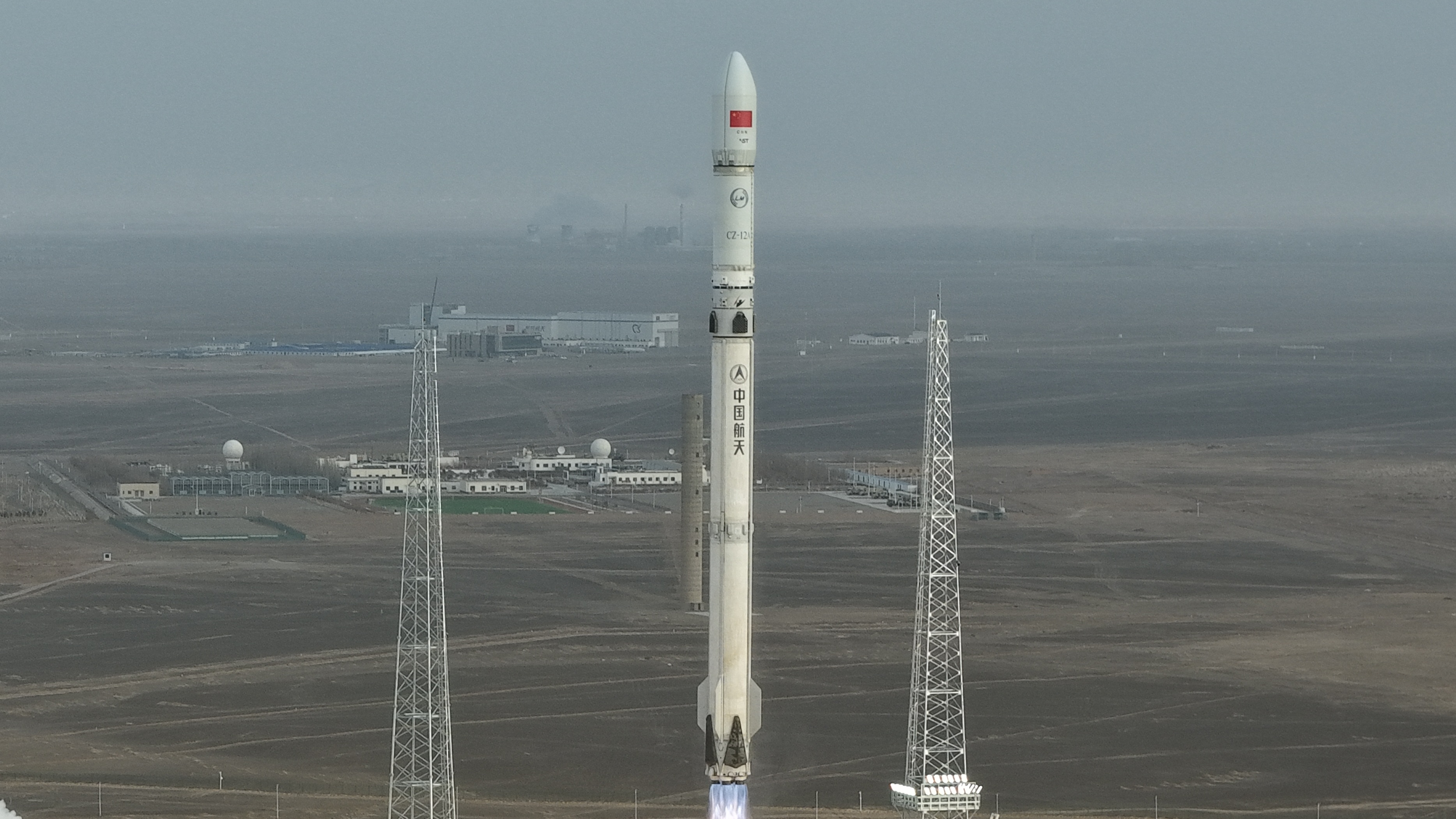
Long March 12A | Flight 2
China Aerospace Science and Technology Corporation | ChinaJiuquan Satellite Launch Center, People's Republic of China
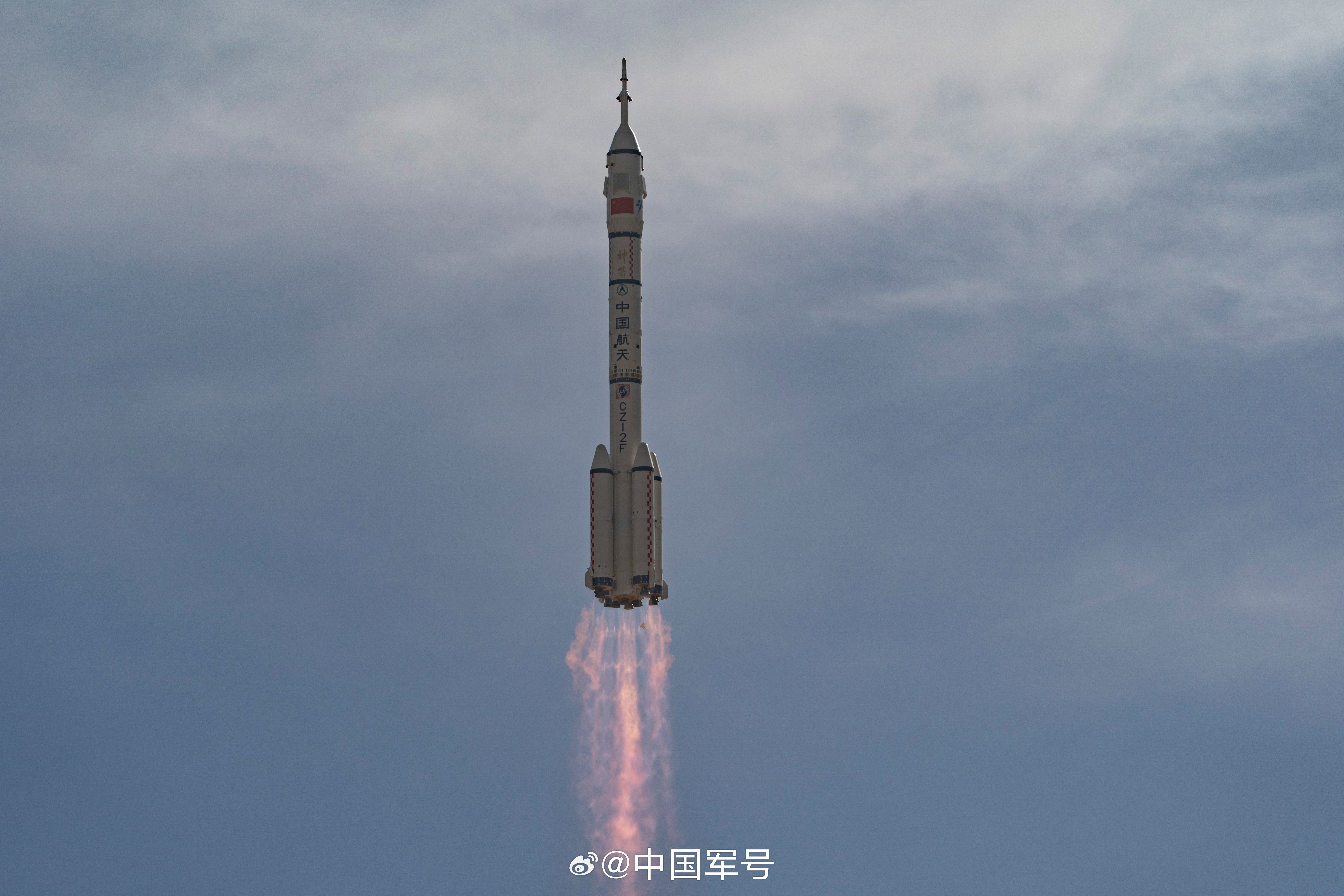
Long March 2F/G | Shenzhou 24
China Aerospace Science and Technology Corporation | ChinaJiuquan Satellite Launch Center, People's Republic of China

Long March 10A | Demo Flight
China Aerospace Science and Technology Corporation | ChinaWenchang Space Launch Site, People's Republic of China
Hyperbola-3 | Demo Flight
i-Space | ChinaWenchang Space Launch Site, People's Republic of China
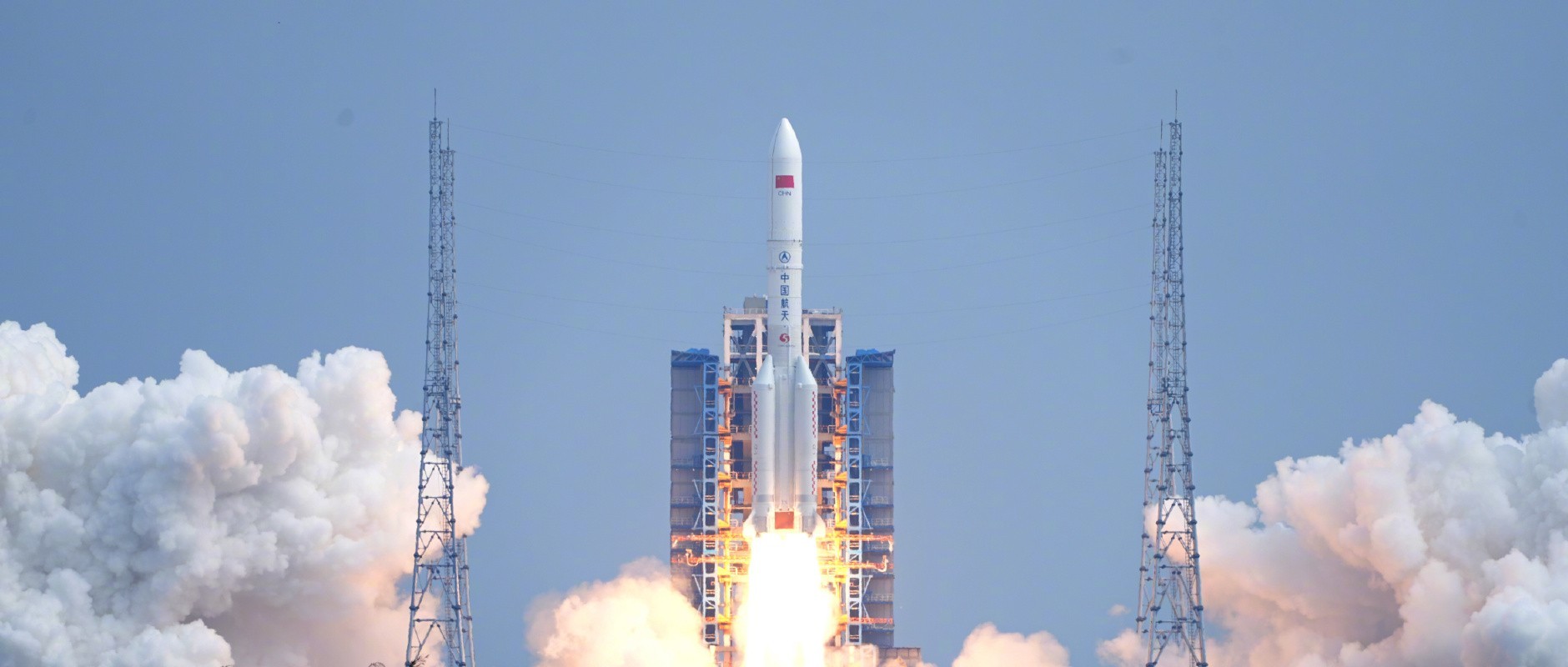
Long March 5 | Chang'e 7
China Aerospace Science and Technology Corporation | ChinaWenchang Space Launch Site, People's Republic of China
Status: To Be Determined
Mission:
Chang'e 7/CE-7 is scheduled to launch in 2026, including an orbiter, a lander, a mini-hopping probe, and a rover. The mission will land in the South Pole regions of the Moon to study lunar surface environment around the South Pole, especially in looking for water ice in lunar soil.
Lunar Orbit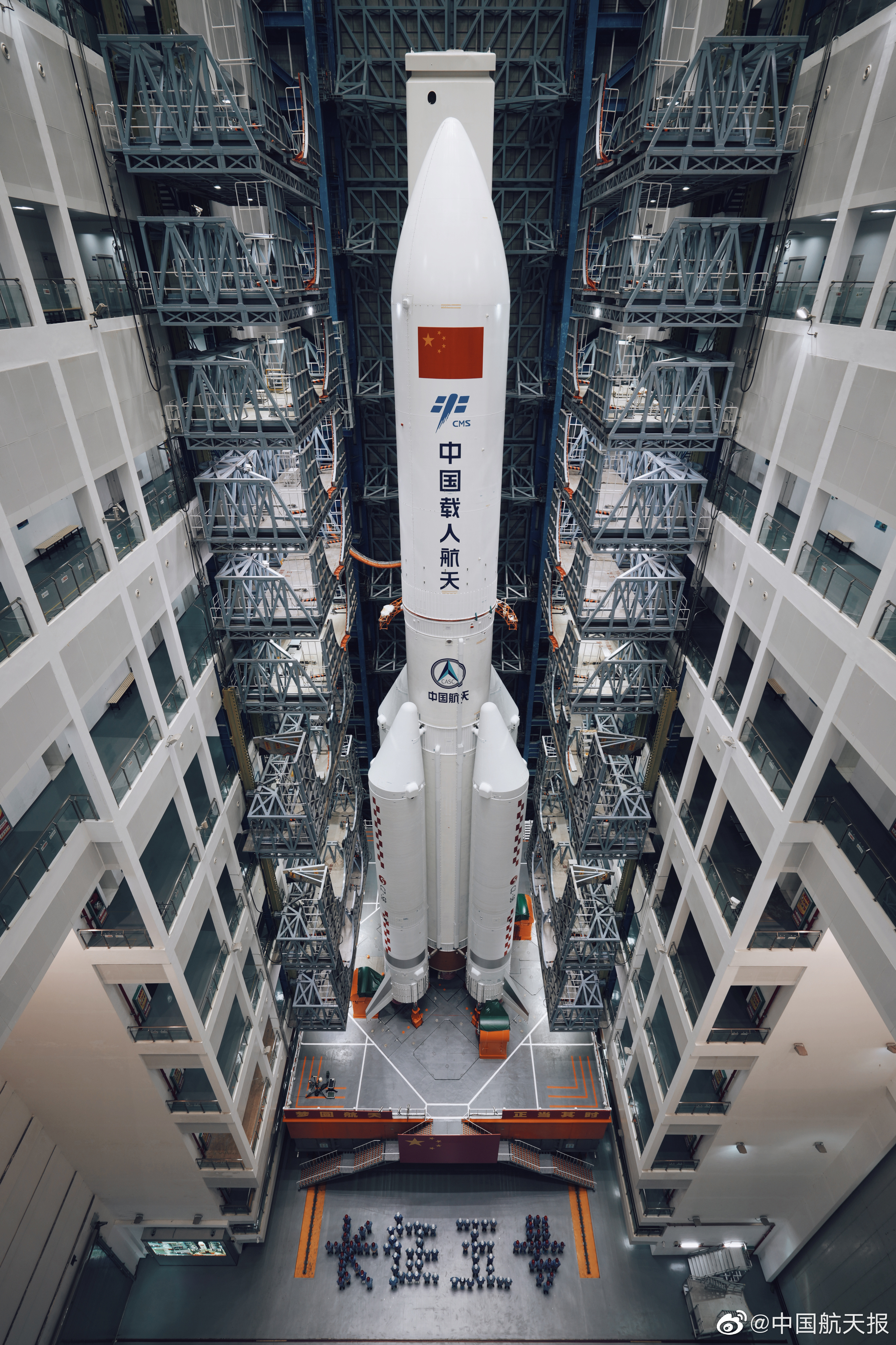
Long March 5B | Xuntian Telescope
China Aerospace Science and Technology Corporation | ChinaWenchang Space Launch Site, People's Republic of China
Status: To Be Determined
Mission:
Xuntian, formerly known as the Chinese Space Station Telescope (CSST), is a Chinese space telescope designed to perform high-resolution, large-area, multi-band imaging and slit-less spectroscopy surveys of the sky at ultraviolet to infrared wavelengths of 255 – 1000 nm. The survey camera is slated to cover approximately 17500 square degrees of the sky in various bands, reaching maximum magnitudes of about 26. Xuntian will carry a survey camera, a tera-hertz receiver, a multi-channel imager, an integral field spectrograph, and a cool planet imaging coronagraph. Xuntian will be launched to a Low Earth Orbit that will be co-orbiting with the Tiangong space station/Chinese Space Station, which will allow for periodic docking with the station for regular maintenance by astronauts.
Low Earth Orbit
Long March 10 | Demo Flight
China Aerospace Science and Technology Corporation | ChinaWenchang Space Launch Site, People's Republic of China
Long March 5 | Chang'e 8
China Aerospace Science and Technology Corporation | ChinaWenchang Space Launch Site, People's Republic of China
Status: To Be Determined
Mission:
Chang'e 8/CE-8 is scheduled to launch in 2028, including a lander, a rover and a legged robot. The mission will land in the South Pole regions of the Moon to study lunar surface environment around the South Pole and experimenting with resource utilization, including testing an enclosed terrestrial ecosystem in the lunar environment.
Lunar OrbitFalcon 9
USSF-385
Space Launch Complex 4E - Vandenberg SFB, CA, USAA classified mission for the United States Space Force. It is possibly a batch of classified LEO satellites based on SpaceX’s Starshield satellite bu…
Electron
Owlright, Owlright, Owlright (StriX Launch 13)
Rocket Lab Launch Complex 1B - Rocket Lab Launch Complex 1, Mahia Peninsula, New ZealandSynthetic aperture radar satellite for Japanese Earth imaging company Synspective.
Long March 6A
Yaogan 40 Group 04
Launch Complex 9A - Taiyuan Satellite Launch Center, People's Republic of China3 Chinese reconnaissance satellites of unknown purposes, officially reported as for "Electromagnetic environment probing".
Long March 8A
SatNet LEO Group 26
Commercial LC-1 - Wenchang Space Launch Site, People's Republic of ChinaA batch of 9 Low Earth Orbit communication satellites for the Chinese state owned SatNet constellation operated by the China Satellite Network Group.…
Kinetica 1
9 satellites
Launch Area 130 - Jiuquan Satellite Launch Center, People's Republic of ChinaShare-ride of 9 commercial Earth observation and technology demonstration satellites to SSO, details TBD.
Falcon 9
Starlink Group 15-27
Space Launch Complex 4E - Vandenberg SFB, CA, USAA batch of 27 satellites for the Starlink mega-constellation - SpaceX's project for space-based Internet communication system.
Long March 2D
PIESAT-2 13-16
Launch Complex 9 - Taiyuan Satellite Launch Center, People's Republic of China4 X-band synthetic-aperture radar Earth observation satellites for the Chinese Earth observation satellite company PIESAT.
Electron
Owl By The Dozen (StriX Launch 12)
Rocket Lab Launch Complex 1B - Rocket Lab Launch Complex 1, Mahia Peninsula, New ZealandSynthetic aperture radar satellite for Japanese Earth imaging company Synspective.
Soyuz 2.1b/Fregat-M
Glonass-K1 No. 20 (?)
43/3 (43L) - Plesetsk Cosmodrome, Russian FederationNote: Satellite serial number and Cosmos designation not confirmed. Glonass-K are the third generation of satellite design for GLONASS satellite n…
Kuaizhou 11
SpaceTY-51 & 52
Launch Area 95A - Jiuquan Satellite Launch Center, People's Republic of China2 Earth observation radar satellites built by the Chinese satellite manufacturer SpaceTY.

