SpaceX Starship Development
Starbase Live: 24/7 Starship & Super Heavy Development From SpaceX's Boca Chica Facility

Starship is SpaceX's fully reusable launch system which is being developed at Starbase in Cameron County, Texas. Starbase LIVE provides 24/7 coverage of the exciting developments and testing progress....
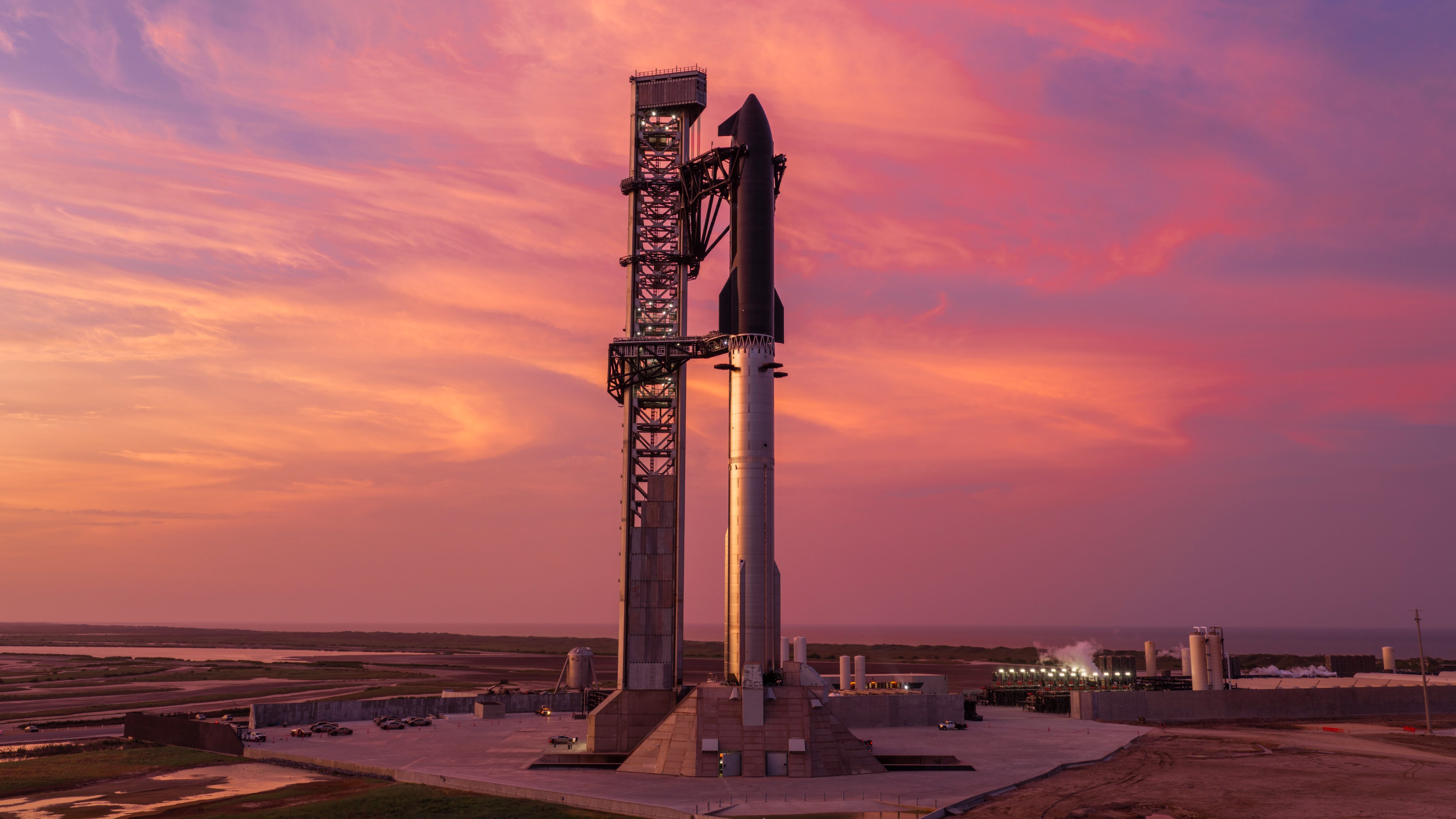
Low Earth Orbit
Dec. 31, 2026, midnight
Starship | Flight 15
15th test flight of the two-stage Starship launch vehicle and 4th flight of Starship V3.
Additional Livestreams


Falcon 9
USSF-481
Space Launch Complex 4E - Vandenberg SFB, CA, USAA classified mission for the United States Space Force. It is possibly a batch of classified LEO satellites based on SpaceX’s Starshield satellite bu…
Zhuque-2E Block 2
10 satellites
Launch Area 96A - Jiuquan Satellite Launch Center, People's Republic of ChinaRide-share of 10 satellites to sun-synchronous orbit, including: * Guangchuan-03 & 04 (LT-03/04) from LandSpace's subsidiary LandTower for testing…
Falcon 9
Dragon CRS-2 SpX-35
Space Launch Complex 40 - Cape Canaveral SFS, FL, USA35th commercial resupply services mission to the International Space Station operated by SpaceX. The flight will be conducted under the second Commer…
Falcon 9
Starlink Group 15-25
Space Launch Complex 4E - Vandenberg SFB, CA, USAA batch of 27 satellites for the Starlink mega-constellation - SpaceX's project for space-based Internet communication system.
Falcon 9
SDA Tranche 1 Transport Layer A
Space Launch Complex 4E - Vandenberg SFB, CA, USATranche 1 Transport Layer A is one of six missions by the United States Space Force Space Development Agency (SDA) for the Proliferated Warfighter Sp…
Long March 12
SatNet LEO Group 27
Commercial LC-2 - Wenchang Space Launch Site, People's Republic of ChinaA batch of 9 Low Earth Orbit communication satellites for the Chinese state owned SatNet constellation operated by the China Satellite Network Group.…
Nuri
NeonSat-2 to 6
LC-2 - Naro Space Center, South KoreaNeonSat-2 to 6 are part of the South Korean government's Earth observation micro-satellite constellation NeonSat (New-space Earth Observation Satelli…
Falcon Heavy
NROL-97
Launch Complex 39A - Kennedy Space Center, FL, USAClassified payload for the US National Reconnaissance Office.
Falcon 9
Transporter 18 (Dedicated SSO Rideshare)
Space Launch Complex 4E - Vandenberg SFB, CA, USADedicated rideshare flight to a sun-synchronous orbit with dozens of small microsatellites and nanosatellites for commercial and government customers.
Falcon 9
Crew-13
Space Launch Complex 40 - Cape Canaveral SFS, FL, USASpaceX Crew-13 is the thirteenth crewed operational flight of a Crew Dragon spacecraft to the International Space Station as part of NASA's Commercia…
Vehicles

Starship
Booster 12
✓ Flight Proven Retired
Retired
Super Heavy booster used for the fifth Starship integrated flight test. First Super Heavy sucessfully caught.

Starship
Booster 4
✕ Flight Proven Retired
Retired
First Super Heavy booster to complete a cryogenic proof test at the Orbital Launch Pad, as well as the first full stack cryogenic proof test for a Starship vehicle. Booster 4 is now on display at SpaceX's Rocket Garden in Boca Chica.

Starship Prototype
SN15
✓ Flight Proven Retired
Retired
Next Starship prototype built after SN11. It features hundreds of design improvements across structures, avionics, software and engine. First Starship prototype to successfully land after a high altitude flight.

Starship Prototype
SN2
✕ Flight Proven Retired
Retired
SN2 successfully went through a pressure and cryo test, but was not used for a static fire or hop.

Starship Prototype
SN7.2
✕ Flight Proven Retired
Retired
SpaceX test tank for 3mm stainless steel sheets. Retired after two pressure tests.

Starship Prototype
Starhopper
✓ Flight Proven Retired
Retired
First prototype of the Starship vehicle. Starhopper was a short test article that flew once to a height of 150m before landing safely.

Starship
Booster 11
✓ Flight Proven Lost
Lost
Super Heavy booster used for the fourth Starship integrated flight test. Lost to the ocean after a successful soft splashdown.

Starship
Booster 13
✕ Flight Proven Lost
Lost
Super Heavy booster used for the sixth Starship integrated flight test. Lost to the ocean after a soft splashdown, as part of an offshore divert from the originally planned tower catch at the launch site.

Starship
Booster 15
✓ Flight Proven Lost
Lost
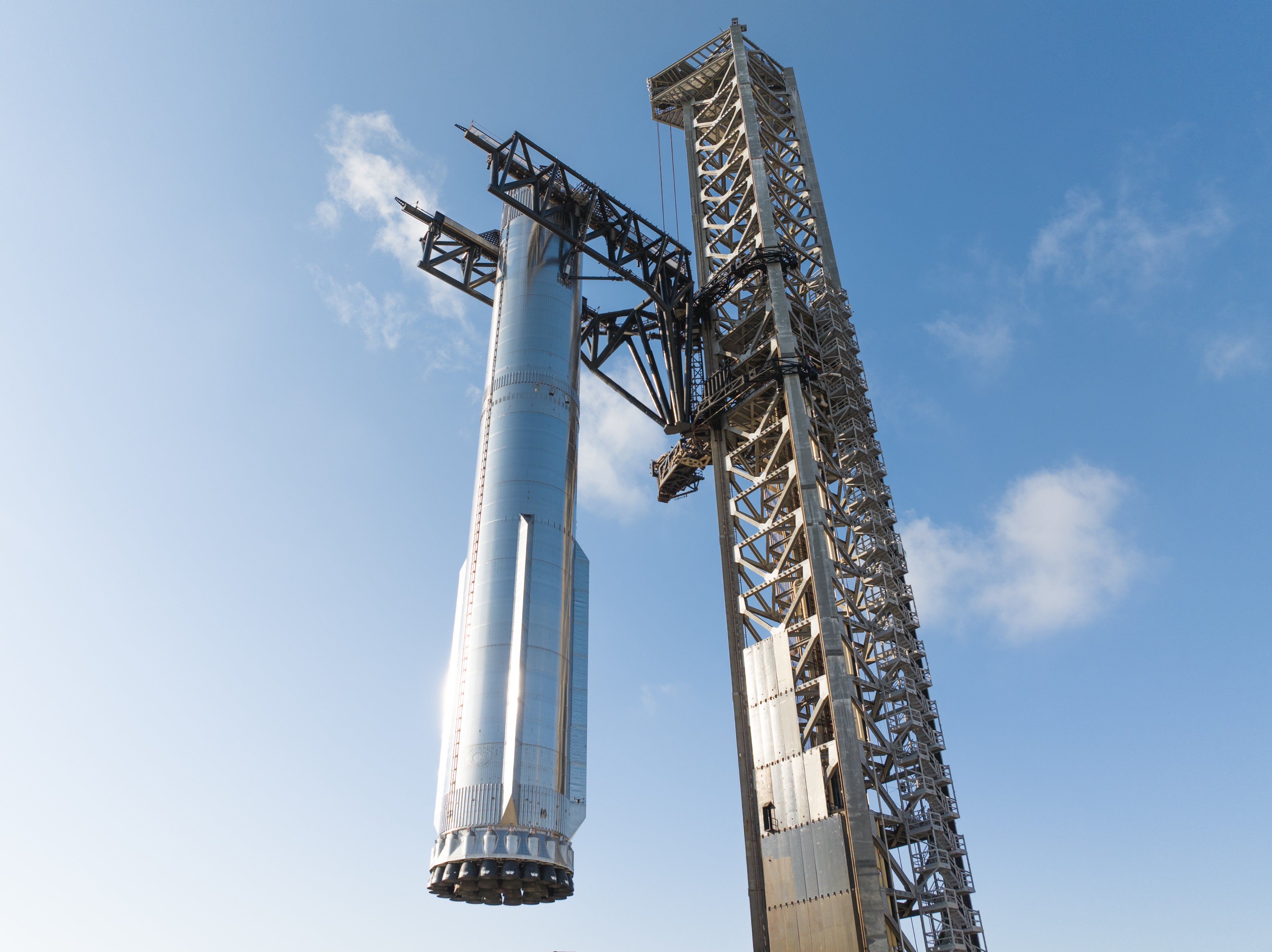
Super Heavy booster used for the 8th Starship flight test. Successfully caught by the launch tower. Reused on the 11th Starship flight test and completed a planned high speed water splashdown.
Starship
Booster 16
✓ Flight Proven Lost
Lost
Super Heavy booster used for the 10th Starship flight test. Lost to the ocean after a successful soft splashdown.
Starship
Booster 21
✓ Flight Proven Lost
Lost
Third Block 3 Super Heavy booster to fly with various enhancements including Raptor 3 engines, integrated interstage and 3 grid fins instead of 4 used. To be used on the 14th Starship flight test, the first Starship flight to deploy satellites into stable Low Earth Orbit. Lost to the ocean after a successful soft splashdown.

Super Heavy Prototype
BN1
✕ Flight Proven Scrapped
Scrapped
BN1 was the first Super Heavy prototype built by SpaceX in Boca Chica, TX. It was used as a production and ground operations pathfinder.

Super Heavy Prototype
Booster 3
✕ Flight Proven Scrapped
Scrapped
Super Heavy prototype used for ground testing. First Super Heavy to static fire.
Starship Prototype
SN16
✕ Flight Proven Scrapped
Scrapped
Last suborbital Starship prototype built after SN15, to which it is similar in design. SN16 was later scrapped as SpaceX gathered all data necessary through SN9-15 and shifted focus to the Orbital Flight Test.

Starship Prototype
SN5
✓ Flight Proven Scrapped
Scrapped
Fifth prototype of the Starship prototype vehicle. On the 4th of August, SN5 completed a 150m hop, its first successful launch and landing. SN5 was scrapped in February 2021.

Starship Prototype
SN6
✓ Flight Proven Scrapped
Scrapped
Starship SN6 first flew on Sept. 3rd in Boca Chica, Texas with a single Raptor engine. It flew to height of 150m before landing safely. SN6 was scrapped in January 2021.
Super Heavy Prototype
BN2.1
✕ Flight Proven Converted
Converted
Second Super Heavy prototype. Transformed into a test tank.

Starship
Booster 10
✕ Flight Proven Destroyed
Destroyed
Super Heavy booster used for the third Starship integrated flight test. It was lost to a hard water landing due to multiple Raptor engines failing to reignite.
Starship
Booster 14
✓ Flight Proven Destroyed
Destroyed
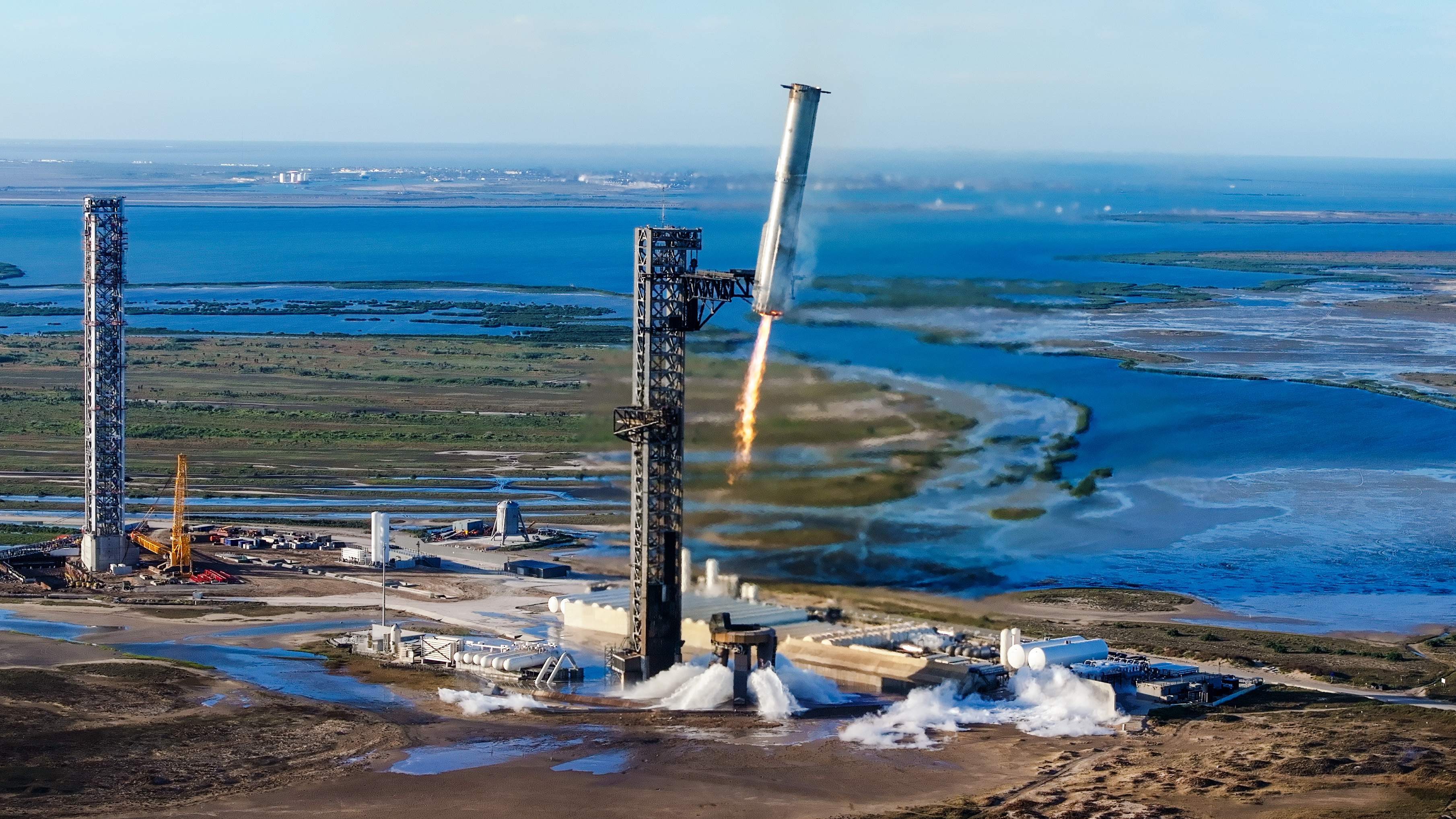
Super Heavy booster used for the 7th Starship flight test. Successfully caught by the launch tower. Reused on the 9th Starship flight test for a planned high speed water splashdown but destroyed during landing burn.
Starship
Booster 18
✕ Flight Proven Destroyed
Destroyed
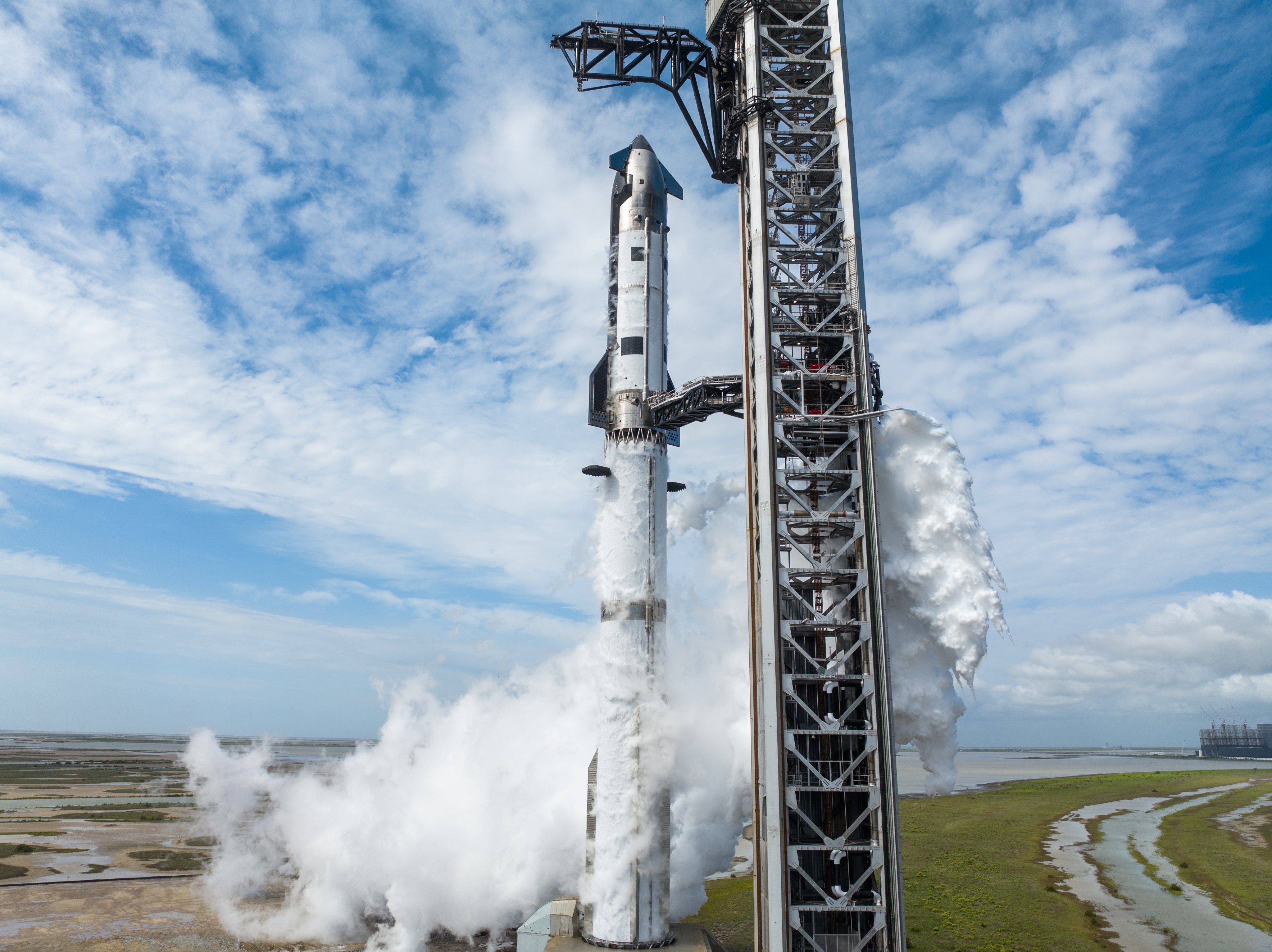
First Block 3 Super Heavy booster with various enhancements including Raptor 3 engines, integrated interstage and 3 grid fins instead of 4 used. Originally planned for usage on the 12th Starship flight test, but was written off after severely damaged during gas system pressure testing on 21 November 2025.
Starship
Booster 19
✕ Flight Proven Destroyed
Destroyed
First Block 3 Super Heavy booster to fly with various enhancements including Raptor 3 engines, integrated interstage and 3 grid fins instead of 4 used. Used on the 12th Starship flight test, replacing Booster 18 written off during ground testing in November 2025. It was lost after stage separation, having completed an off-nominal boostback burn with fewer engines than planned.
Starship
Booster 20
✕ Flight Proven Destroyed
Destroyed
Second Block 3 Super Heavy booster to fly with various enhancements including Raptor 3 engines, integrated interstage and 3 grid fins instead of 4 used. Used on the 13th Starship flight test. It was lost at splashdown, having completed a nominal boostback burn, but performed its landing burn with fewer engines than planned.
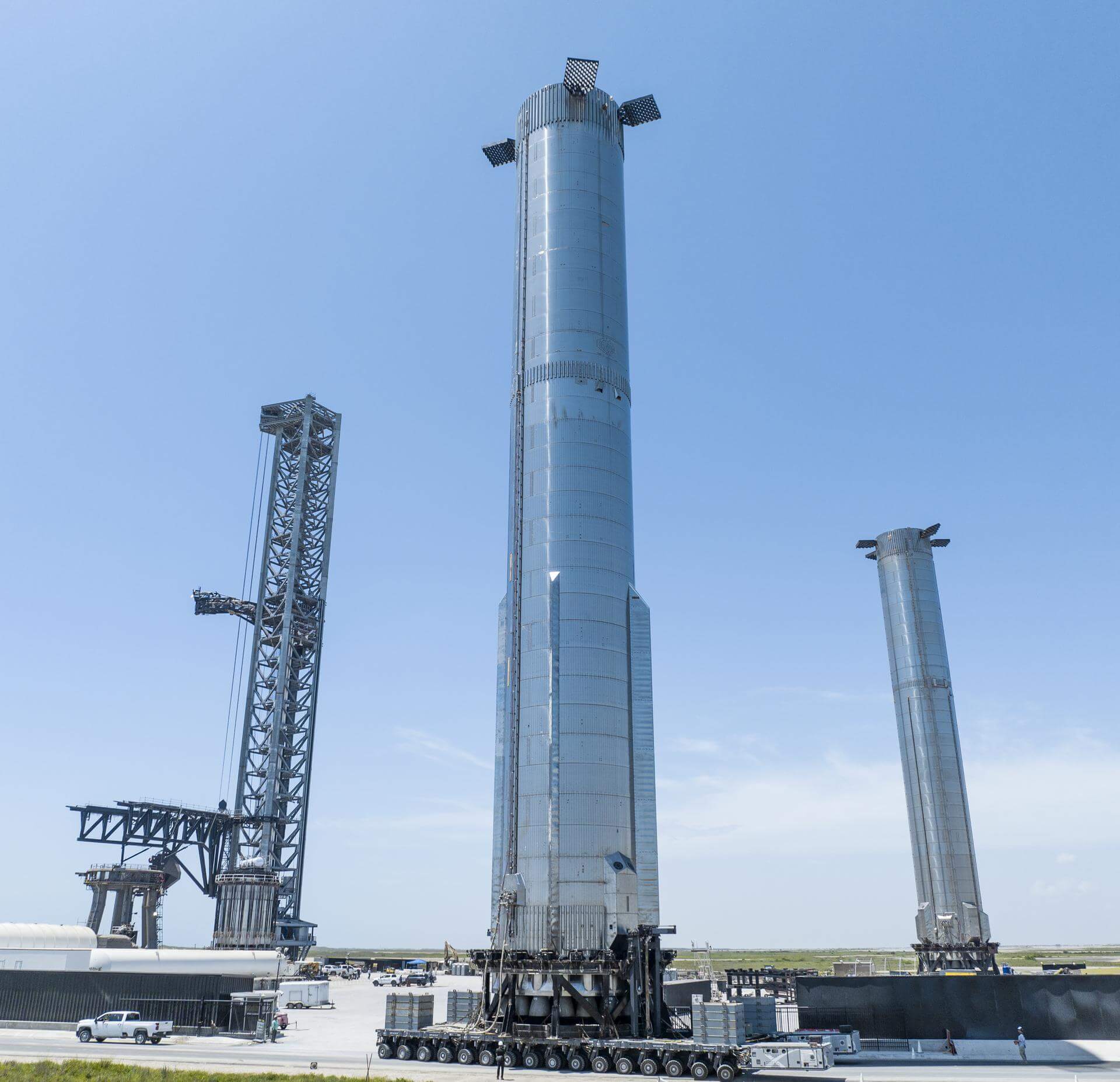
Starship
Booster 7
✓ Flight Proven Destroyed
Destroyed
Booster 7 is the first Super Heavy booster with 33 Raptor 2 engines and was used for the first Starship integrated flight test with Ship 24. Lost in a launch failure.
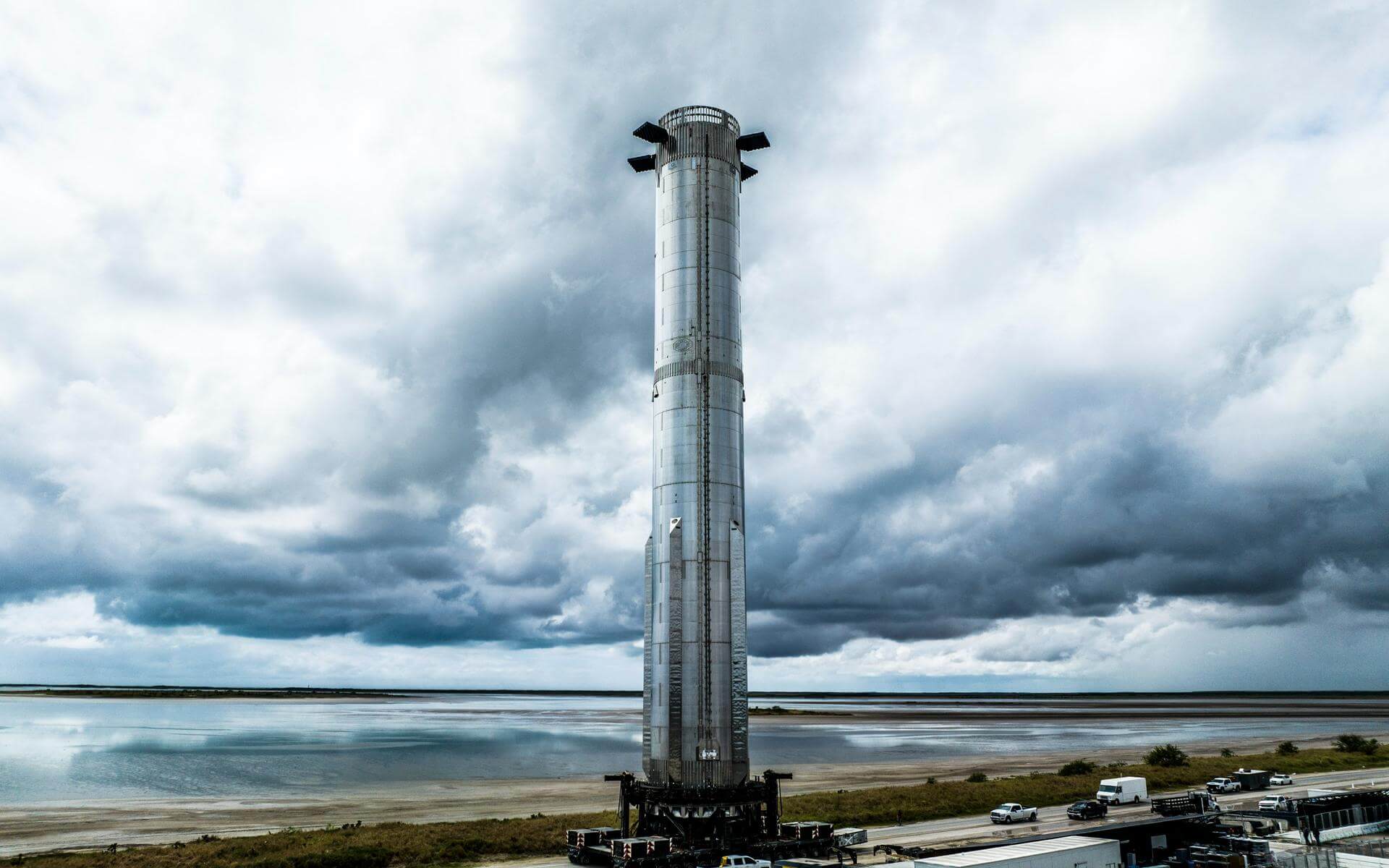
Starship
Booster 9
✕ Flight Proven Destroyed
Destroyed
Super Heavy booster that was used for the second Starship integrated flight test and lost after separation.

Starship Prototype
Mk1
✕ Flight Proven Destroyed
Destroyed
Starship Mk1 was partially destroyed during max pressure tank testing, when the forward LOX tank ruptured along a weld line of the craft's steel structure, propelling the bulkhead several meters upwards.

Starship Prototype
SN1
✕ Flight Proven Destroyed
Destroyed
SN1 was destroyed when undergoing pressurization.

Starship Prototype
SN10
✓ Flight Proven Destroyed
Destroyed
SN10 is a Starship Prototype similar in design to SN9. SN10 was destroyed during an explosion on the pad after landing.

Starship Prototype
SN11
✓ Flight Proven Destroyed
Destroyed
SN11 is a Starship Prototype similar in design to SN10 and SN9. It got destroyed during its first flight to an altitude of 10 km.

Starship Prototype
SN3
✕ Flight Proven Destroyed
Destroyed
SN3's cryo test failed, the result being the LOX (Liquid Oxygen) Tank collapsing due to underpressurisation.

Starship Prototype
SN4
✕ Flight Proven Destroyed
Destroyed
On April 26, 2020, SN4 successfully completed a cryogenic pressure test. On May 29, 2020, SN4 exploded after engine testing.
Starship Prototype
SN7
✕ Flight Proven Destroyed
Destroyed
Intentionally destroyed during a pressurization test.

Starship Prototype
SN7.1
✕ Flight Proven Destroyed
Destroyed
SpaceX Test tank for 304L Stainless Steel. Top bulkhead intentionally burst during pressure testing.

Starship Prototype
SN8
✓ Flight Proven Destroyed
Destroyed
SN8 was destroyed when attempting to land after its first flight due to low header tank pressure during landing burn.
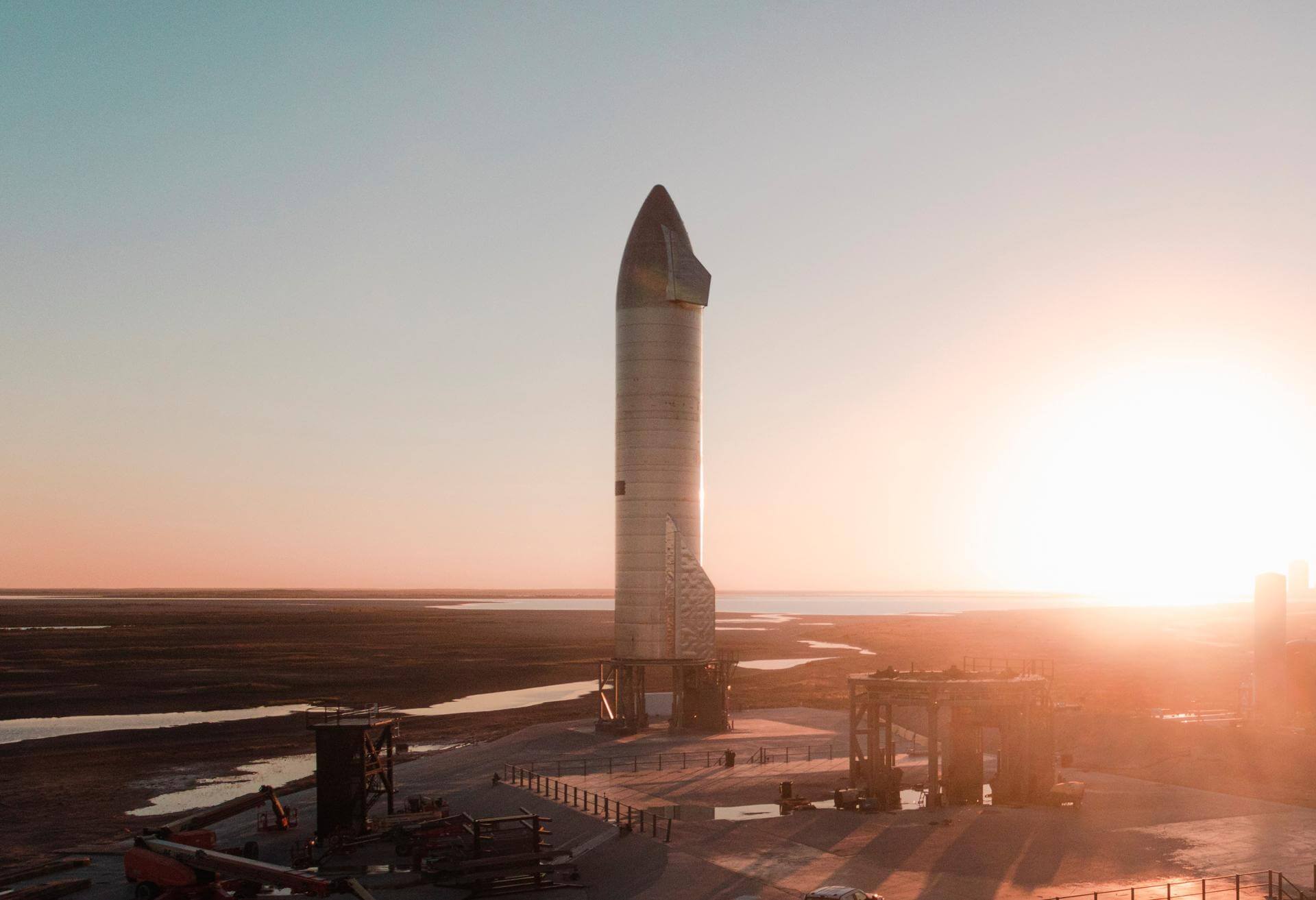
Starship Prototype
SN9
✓ Flight Proven Destroyed
Destroyed
SN9 is the first starship prototype to be fully made of 304L stainless steel. It was destroyed on landing after its first flight.


Starship Program Updates
Starship | Starlink Group 31-1 (Starship Flight 14) Update
Cosmic_Penguin • Sept. 28, 2026, 4:06 p.m.
Mission completed with Ship 41 soft splashdown in the Pacific Ocean.
Starship | Starlink Group 31-1 (Starship Flight 14) Update
Cosmic_Penguin • Sept. 28, 2026, 2:08 p.m.
All Starlink satellites deployed and in contact with ground stations.
Starship | Starlink Group 31-1 (Starship Flight 14) Update
Cosmic_Penguin • Sept. 28, 2026, 12:49 p.m.
Liftoff.
Starship | Starlink Group 31-1 (Starship Flight 14) Update
LL2 • Sept. 28, 2026, 12:03 p.m.
Unofficial Re-stream by SPACE AFFAIRS has started
Starship | Starlink Group 31-1 (Starship Flight 14) Update
Cosmic_Penguin • Sept. 28, 2026, 11:52 a.m.
Now targeting Sep 28 at 12:48 UTC