Upcoming Spaceflight Launches
Filter by Agency, Locations or Vehicles
Show All Launches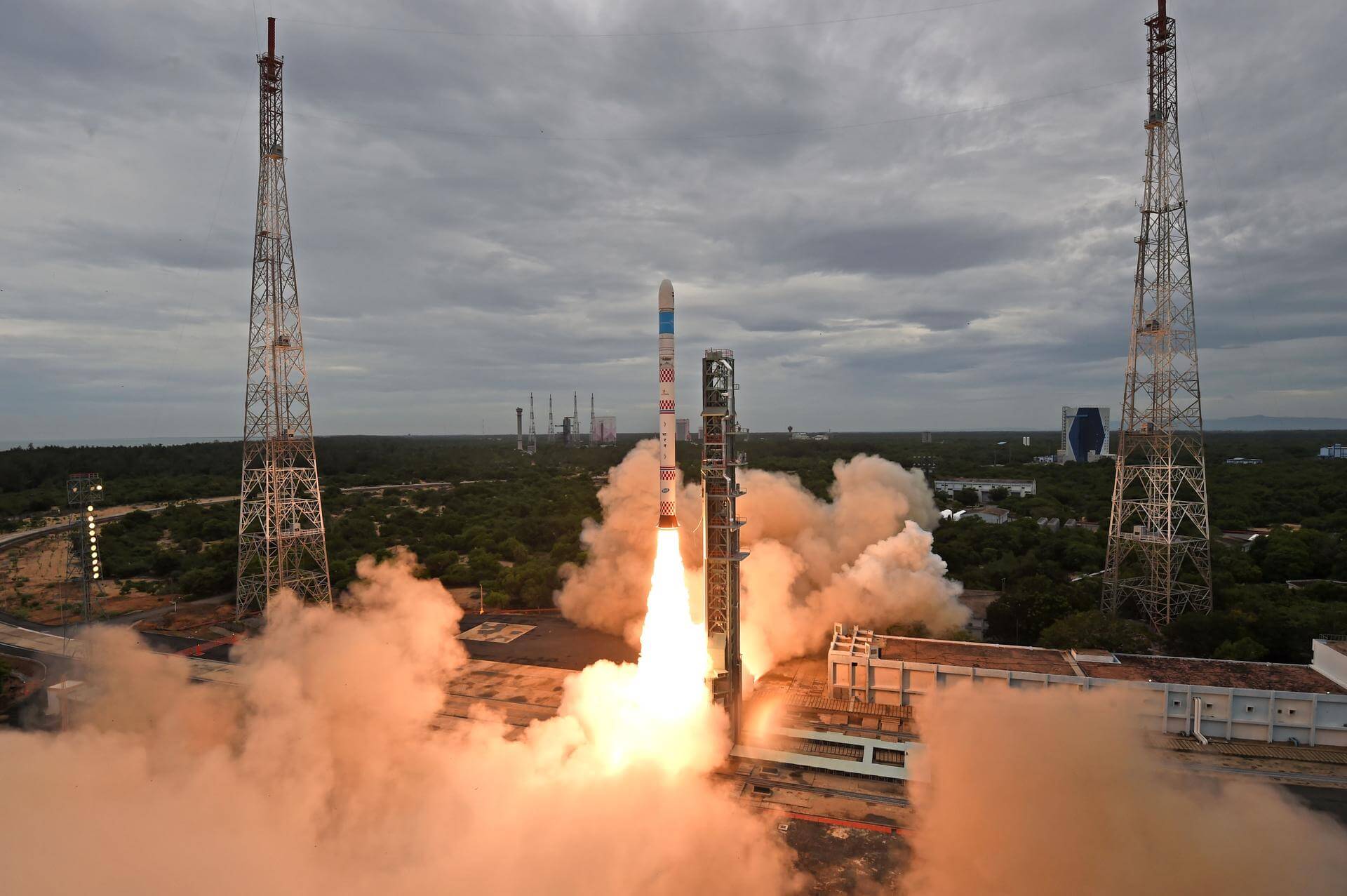
SSLV | Space MAITRI
Indian Space Research Organization | IndiaSatish Dhawan Space Centre, India
Status: To Be Determined
Mission:
Space Machines Company (SMC)'s second Optimus Orbital Transfer Vehicle (OTV), will launch on a mission designated Space MAITRI (Mission for Australia-India’s Technology, Research and Innovation). The mission will focus on debris management and sustainability, and will significantly advance Australia’s domestic space industry by combining Australian spacecraft capabilities with India's launch expertise. After separation, Optimus will perform a series of propulsive on-orbit maneuvers to inspect a space object in close proximity. It will then spend several months on orbit examining space debris to demonstrate affordable and accessible space sustainability technologies.
Low Earth Orbit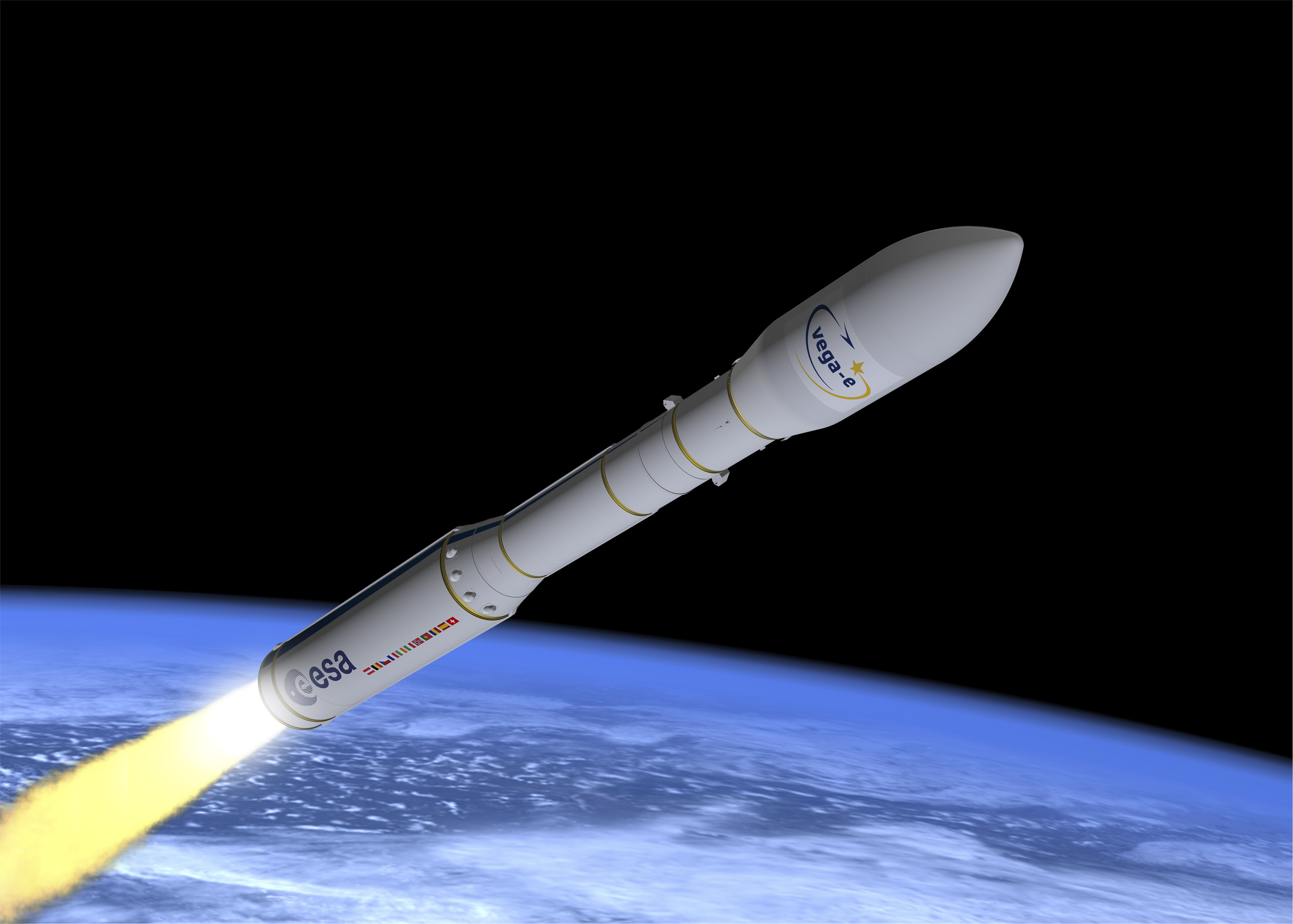
Vega-E | Maiden flight
Avio S.p.A | ItalyGuiana Space Centre, French Guiana
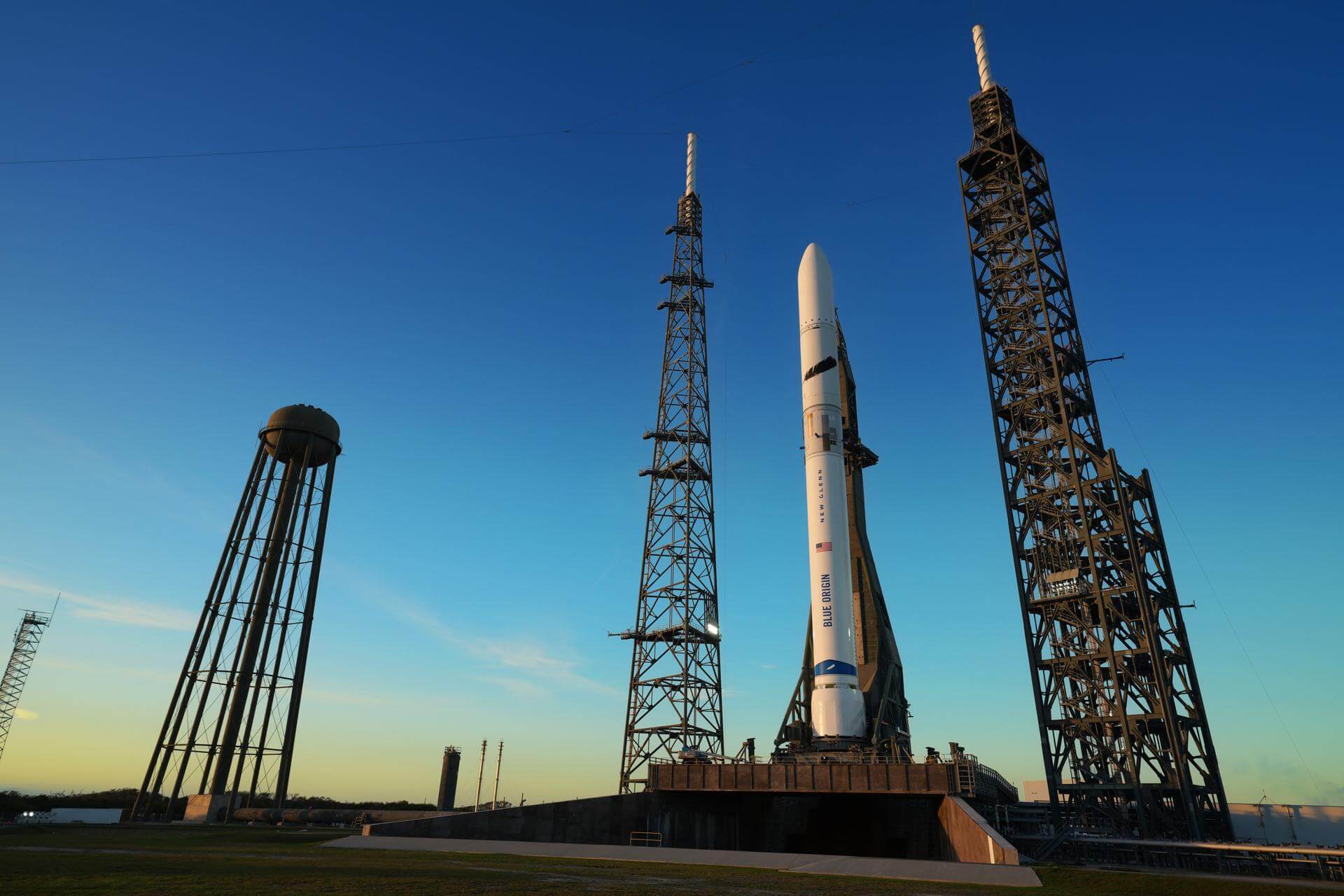
New Glenn | Blue Moon Pathfinder Mission 2 & VIPER
Blue Origin | United States of AmericaCape Canaveral SFS, FL, USA
Status: To Be Determined
Mission:
2nd of the National Team’s Blue Moon MK1 lunar lander test missions to validate the necessary technologies for its HLS lunar module. Some of the life support hardware will travel on this mission in preparation for the first crew Blue Moon flight. This mission will also carry NASA’s VIPER (Volatiles Investigating Polar Exploration Rover) lunar rover. VIPER is designed to explore the relatively nearby but extreme environment of the Moon in search of ice and other potential resources. This mobile robot will land at the South Pole of the Moon on a 100-day mission, in order to teach us about the origin and distribution of water on the Moon and help determine how we can harvest the Moon's resources for future human space exploration. VIPER is designed to roam the Moon using its three instruments and a 1 meter long drill to detect and analyze various lunar soil environments at a range of depths and temperatures. The rover can venture into permanently shadowed craters, some of the coldest spots in the solar system, where ice reserves have endured for billions of years. The rover was originally slated to launch on Astrobotic’s Griffin Mission One lunar lander (with the Falcon Heavy rocket), but the VIPER mission was cancelled in July 2024 due to budget cuts. After consulting with the industry to find alternative ways to deliver the rover to the lunar surface, NASA ultimately chose to launch it with Blue Origin’s 2nd Blue Moon MK1 lander mission.
Low Earth Orbit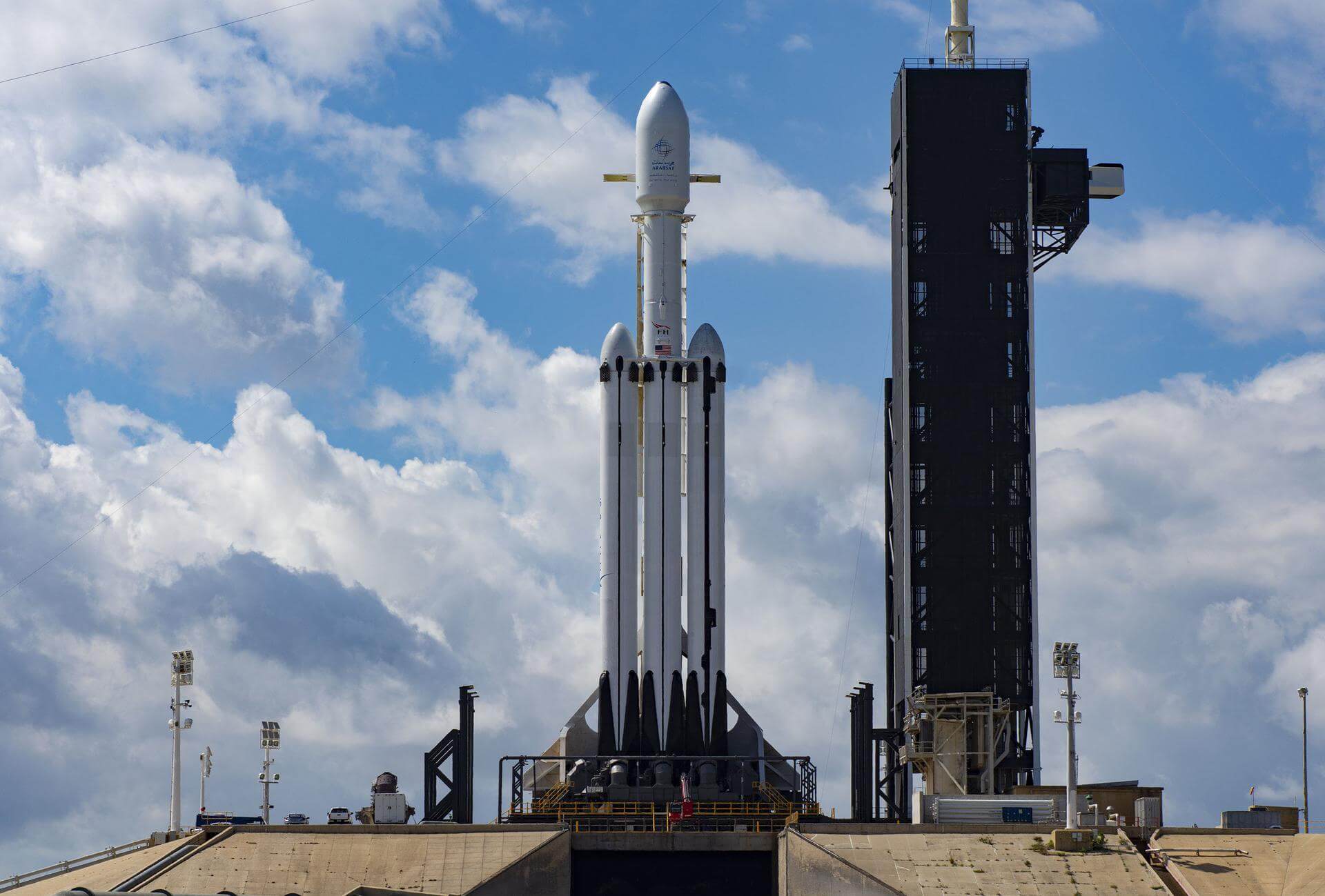
Falcon Heavy | Astrobotic-3
SpaceX | United States of AmericaKennedy Space Center, FL, USA
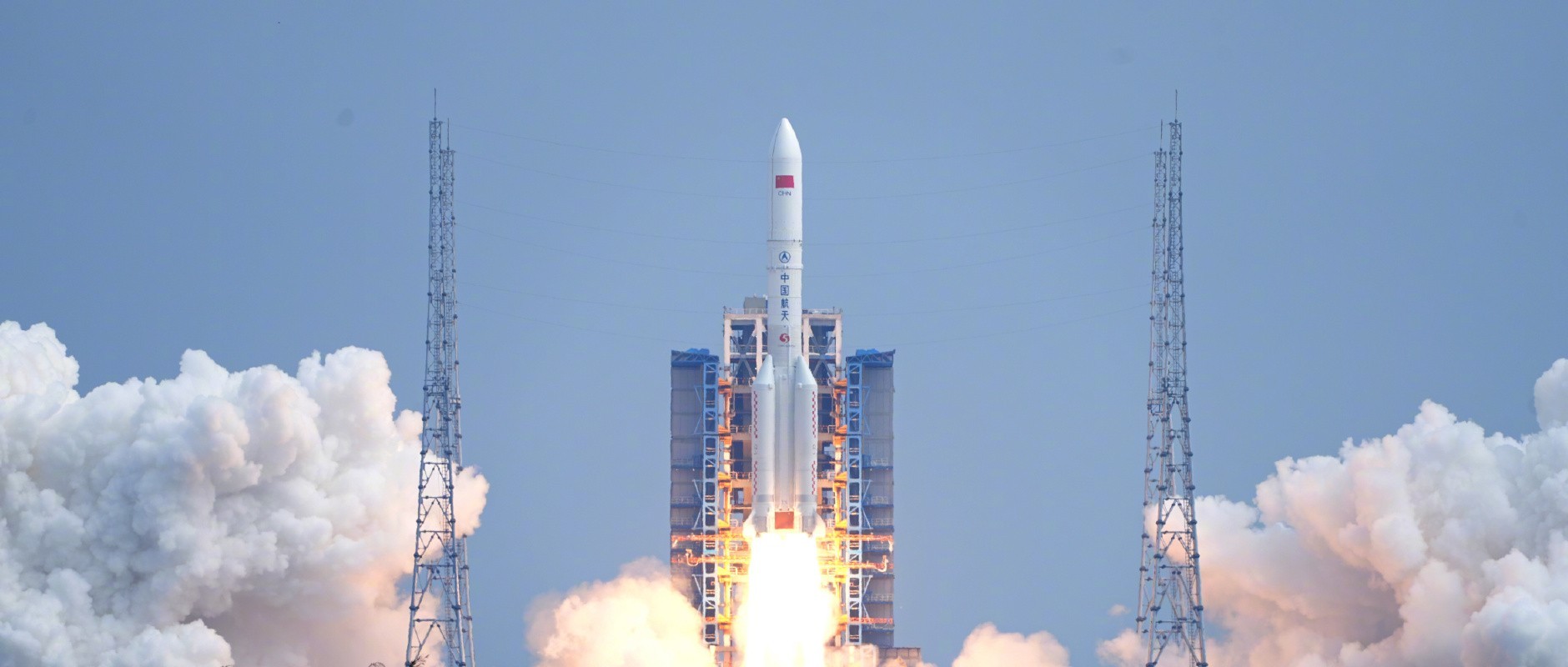
Long March 5 | Chang'e 7
China Aerospace Science and Technology Corporation | ChinaWenchang Space Launch Site, People's Republic of China
Status: To Be Determined
Mission:
Chang'e 7/CE-7 is scheduled to launch in 2026, including an orbiter, a lander, a mini-hopping probe, and a rover. The mission will land in the South Pole regions of the Moon to study lunar surface environment around the South Pole, especially in looking for water ice in lunar soil.
Lunar Orbit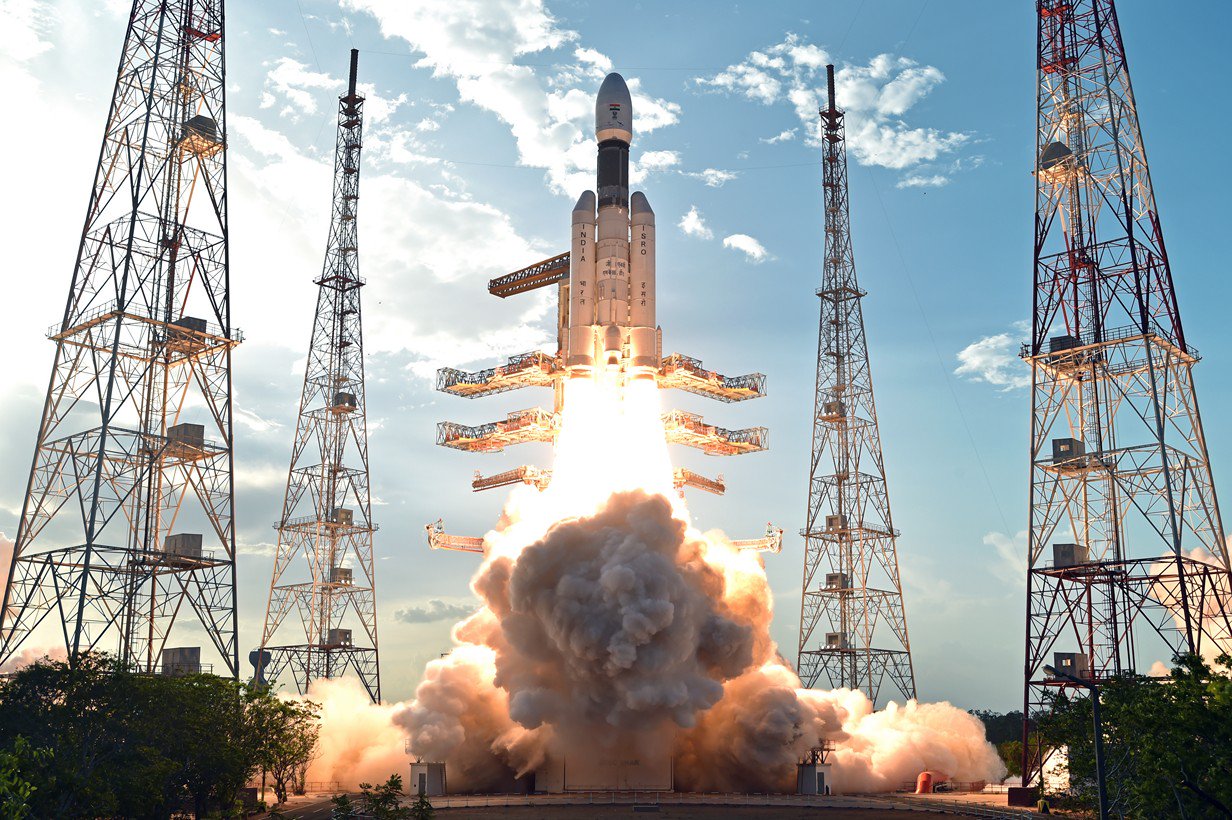
LVM-3 | Chandrayaan-4 First Launch
Indian Space Research Organization | IndiaSatish Dhawan Space Centre, India
Status: To Be Determined
Mission:
Chandrayaan-4 is a planned lunar sample-return mission of Indian Space Research Organisation (ISRO) and will be the fourth mission of its Chandrayaan programme. The mission consist of five modules, namely the DM (Descender Module), AM (Ascender Module), TM (Transfer Module), RM (Re-entry Module) and PM (Propulsion Module). The planned mission life is 1 lunar day and the landing site will be near the Lunar South Pole. The first launch will lift the DM (Descender Module) and AM (Ascender Module) to orbit.
Lunar Orbit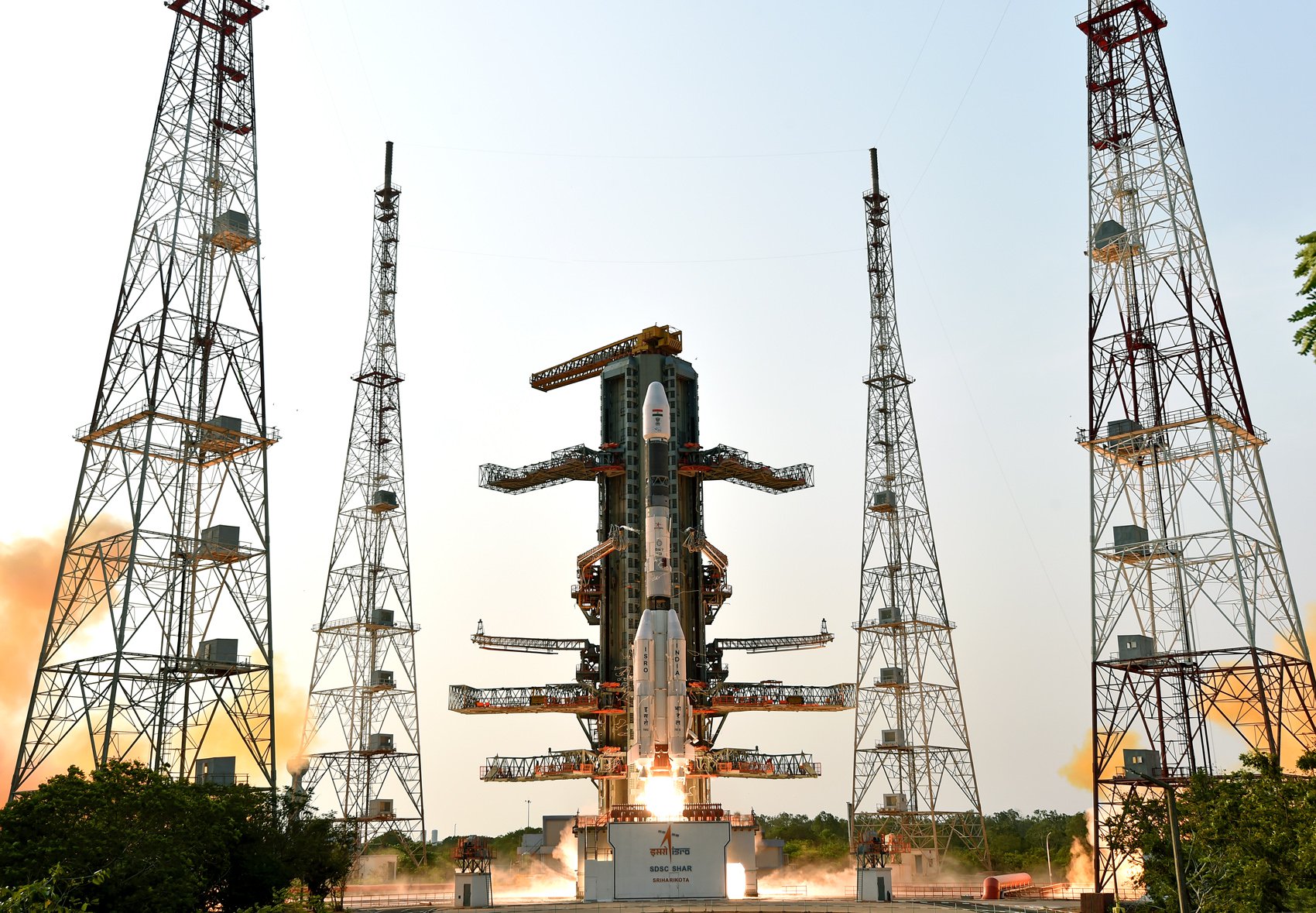
GSLV Mk II | IDRSS-1
Indian Space Research Organization | IndiaSatish Dhawan Space Centre, India
Status: To Be Determined
Mission:
The Indian Data Relay Satellite System (IDRSS) is a planned system of 2 geostationary data relay satellites by the Indian Space Research Organization (ISRO) for data relaying to and from other Indian satellites and launch vehicles to the ground, including supporting future Indian Human Spaceflight missions with the Gaganyaan spacecraft.
Geostationary Transfer OrbitLVM-3 | Gaganyaan-2
Indian Space Research Organization | IndiaSatish Dhawan Space Centre, India
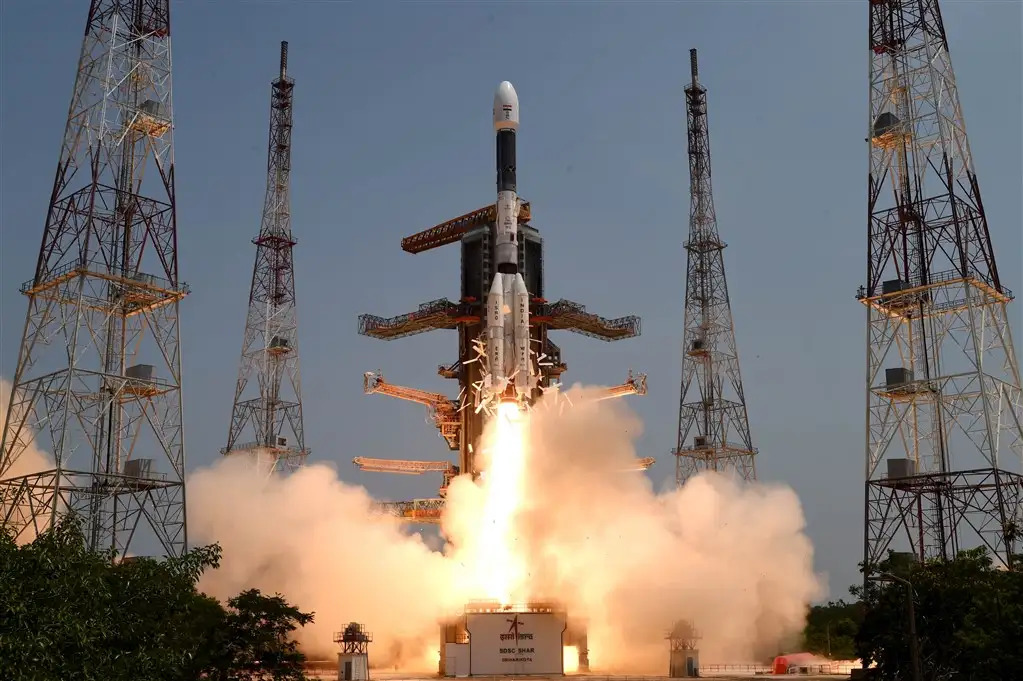
GSLV Mk II | IRNSS-1M (NVS-04)
Indian Space Research Organization | IndiaSatish Dhawan Space Centre, India
Status: To Be Determined
Mission:
This is a replacement satellite for the Indian Regional Navigation Satellite System. The constellation will provide India with an alternative to GPS and will be used for military and civilian use. Located at a geosynchronous orbit, the system will be operated by the Indian government.
Geostationary Transfer Orbit
Neutron | Maiden Flight
Rocket Lab | United States of AmericaWallops Flight Facility, Virginia, USA
Falcon 9
USSF-385
Space Launch Complex 4E - Vandenberg SFB, CA, USAA classified mission for the United States Space Force. It is possibly a batch of classified LEO satellites based on SpaceX’s Starshield satellite bu…
Electron
Owlright, Owlright, Owlright (StriX Launch 13)
Rocket Lab Launch Complex 1B - Rocket Lab Launch Complex 1, Mahia Peninsula, New ZealandSynthetic aperture radar satellite for Japanese Earth imaging company Synspective.
Long March 6A
Yaogan 40 Group 04
Launch Complex 9A - Taiyuan Satellite Launch Center, People's Republic of China3 Chinese reconnaissance satellites of unknown purposes, officially reported as for "Electromagnetic environment probing".
Long March 8A
SatNet LEO Group 26
Commercial LC-1 - Wenchang Space Launch Site, People's Republic of ChinaA batch of 9 Low Earth Orbit communication satellites for the Chinese state owned SatNet constellation operated by the China Satellite Network Group.…
Kinetica 1
9 satellites
Launch Area 130 - Jiuquan Satellite Launch Center, People's Republic of ChinaShare-ride of 9 commercial Earth observation and technology demonstration satellites to SSO, details TBD.
Falcon 9
Starlink Group 15-27
Space Launch Complex 4E - Vandenberg SFB, CA, USAA batch of 27 satellites for the Starlink mega-constellation - SpaceX's project for space-based Internet communication system.
Long March 2D
PIESAT-2 13-16
Launch Complex 9 - Taiyuan Satellite Launch Center, People's Republic of China4 X-band synthetic-aperture radar Earth observation satellites for the Chinese Earth observation satellite company PIESAT.
Electron
Owl By The Dozen (StriX Launch 12)
Rocket Lab Launch Complex 1B - Rocket Lab Launch Complex 1, Mahia Peninsula, New ZealandSynthetic aperture radar satellite for Japanese Earth imaging company Synspective.
Soyuz 2.1b/Fregat-M
Glonass-K1 No. 20 (?)
43/3 (43L) - Plesetsk Cosmodrome, Russian FederationNote: Satellite serial number and Cosmos designation not confirmed. Glonass-K are the third generation of satellite design for GLONASS satellite n…
Kuaizhou 11
SpaceTY-51 & 52
Launch Area 95A - Jiuquan Satellite Launch Center, People's Republic of China2 Earth observation radar satellites built by the Chinese satellite manufacturer SpaceTY.

