Upcoming Spaceflight Launches
Filter by Agency, Locations or Vehicles
Show All Launches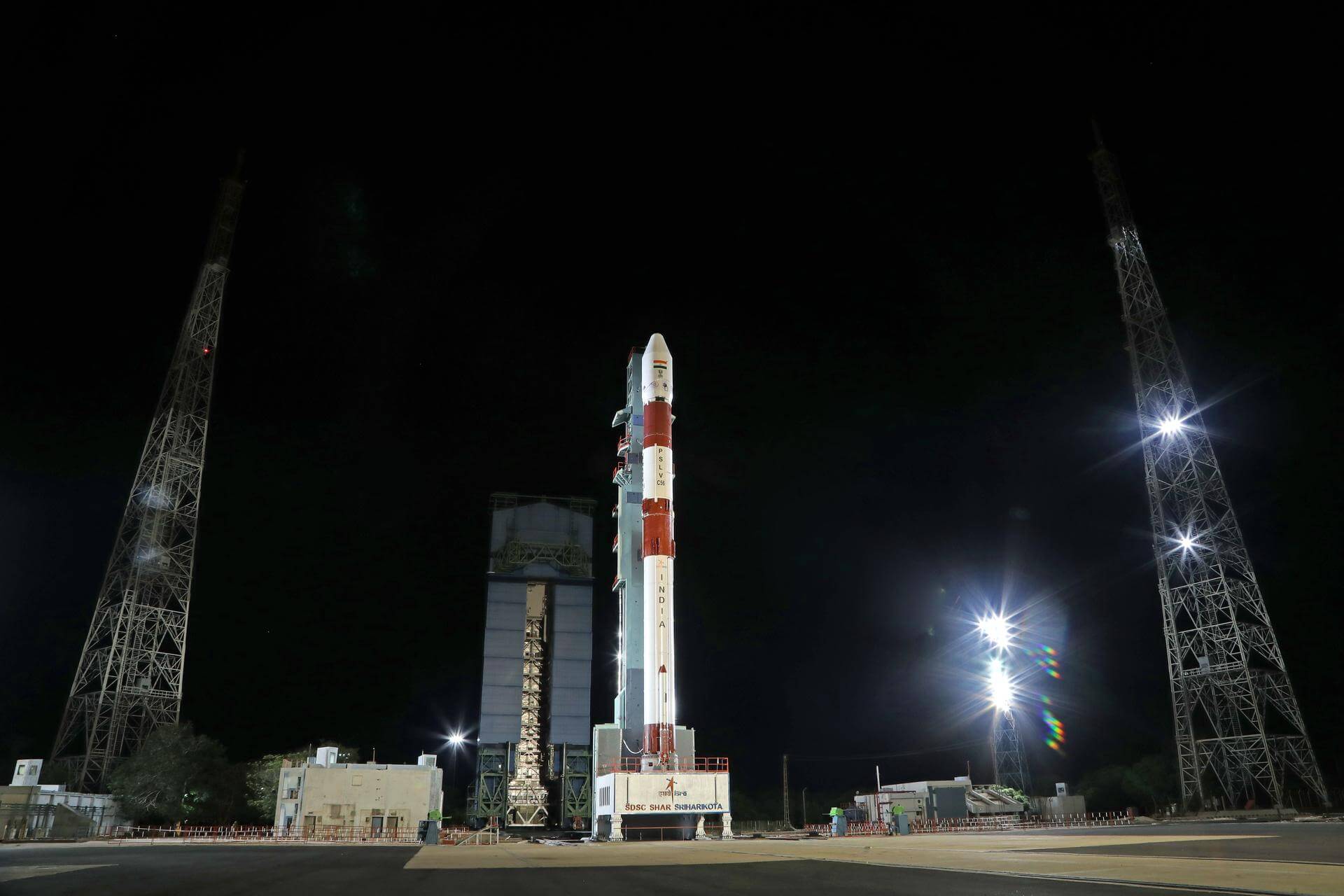
PSLV-CA | ISSA-J1
Indian Space Research Organization | IndiaSatish Dhawan Space Centre, India
Status: To Be Determined
Mission:
Astroscale's ISSA-J1 (In-situ Space Situational Awareness-Japan 1) mission will diagnose and inspect two large satellite debris in orbit by imaging and diagnosing them in close proximity after rendezvous. The satellite is built on Astroscale’s heritage in rendezvous and proximity operations, inspection and characterization capabilities
Low Earth Orbit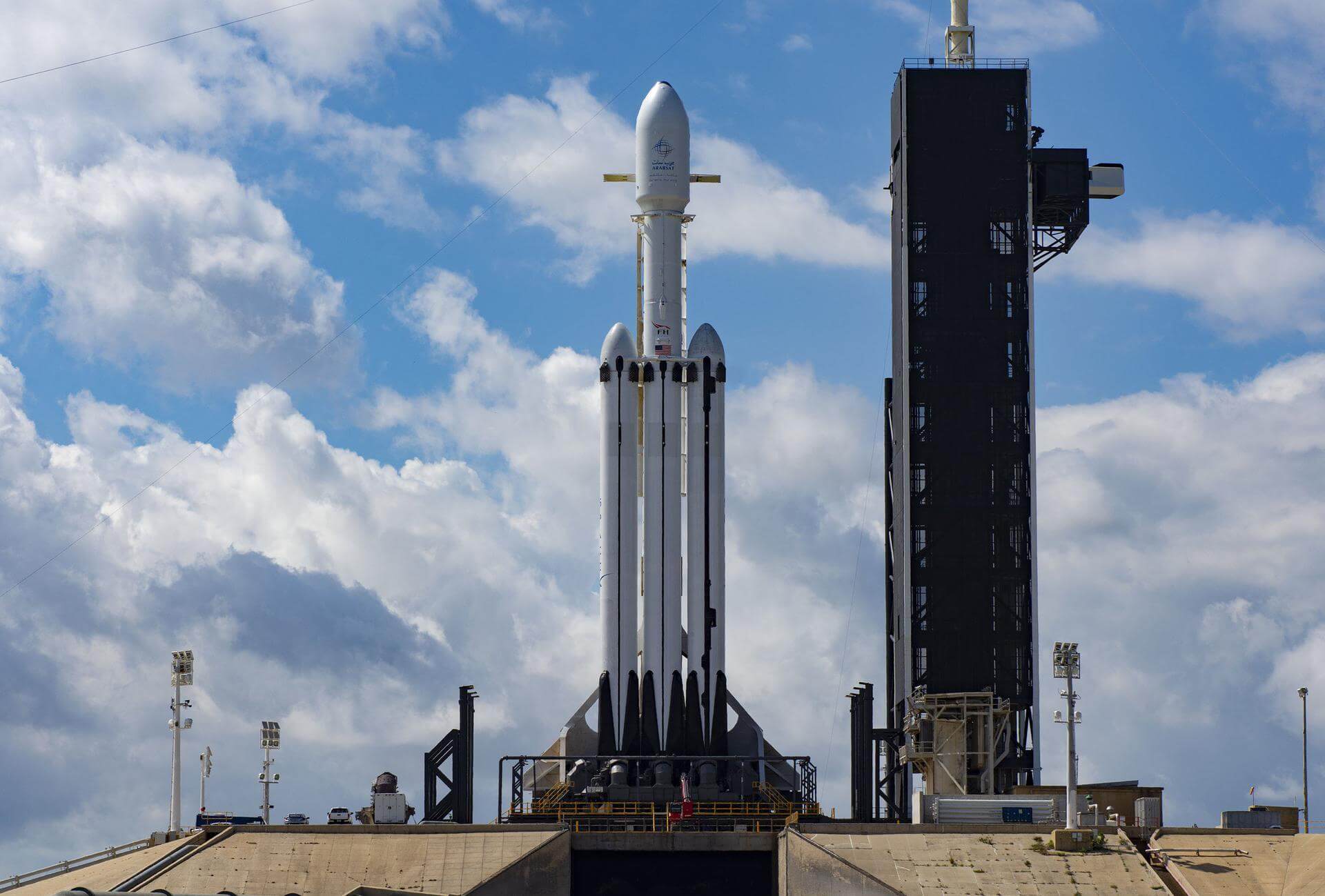
Falcon Heavy | WGS-12 (USSF-206)
SpaceX | United States of AmericaKennedy Space Center, FL, USA
Falcon Heavy | USSF-155
SpaceX | United States of AmericaKennedy Space Center, FL, USA
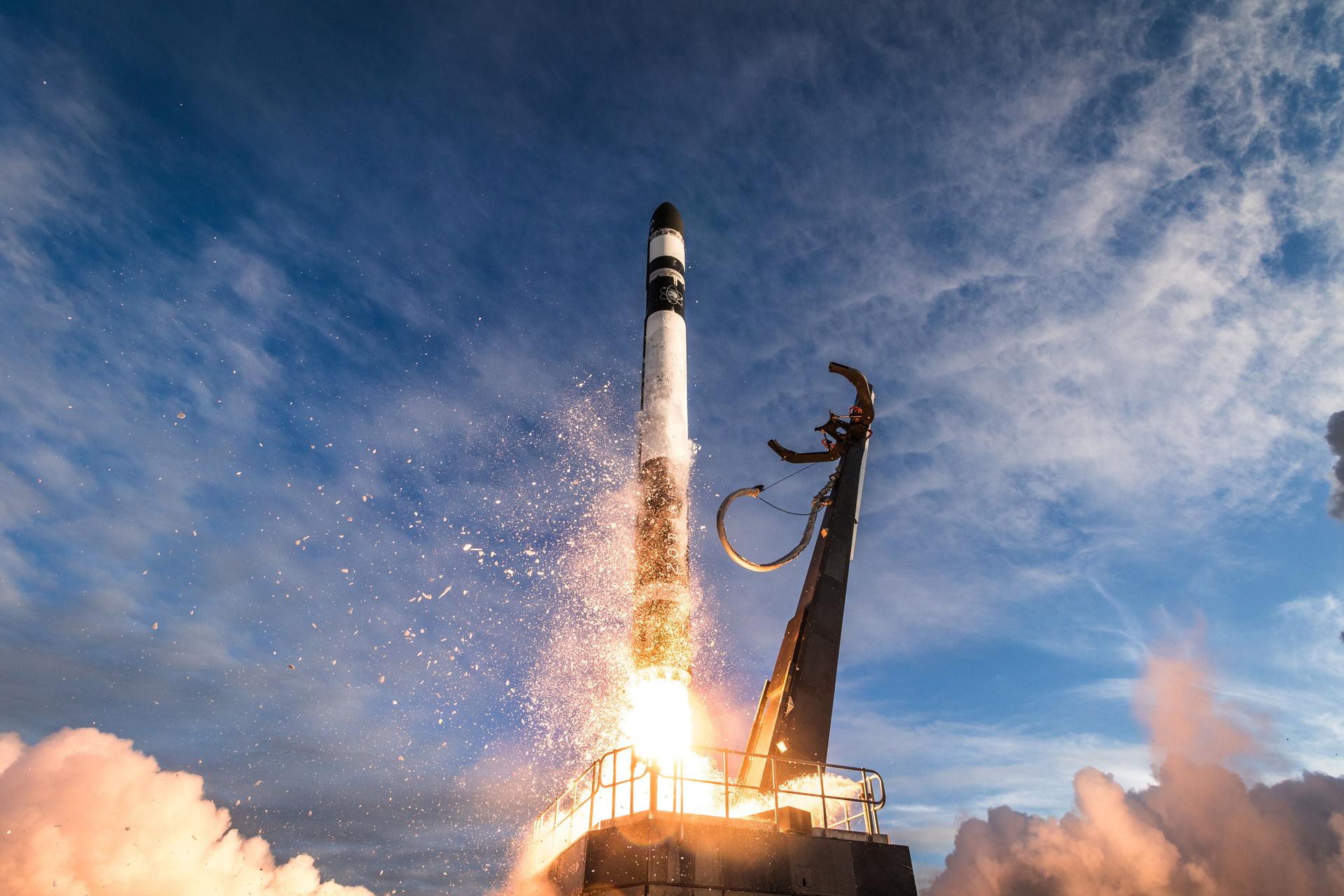
Electron | PolSIR-1
Rocket Lab | United States of AmericaRocket Lab Launch Complex 1, Mahia Peninsula, New Zealand
Status: To Be Determined
Mission:
The PoISIR (Polarized Submillimeter Ice-cloud Radiometer) mission will help provide a better understanding of ice clouds that form at high altitudes throughout tropical and subtropical regions. Consisting of two small satellites, both of PoISIR’s 16U CubeSats have a scientific instrument designed to measure a specific spectrum of electromagnetic radiation, which will determine how the amount of ice in tropical clouds rises and falls during the day, as well as how the ice changes connect to larger storms. The instruments also will help determine how ice clouds affect sunlight and heat radiation throughout the day. The pair of CubeSats will fly in orbits separated by several hours to observe the pattern of cloud ice content changes over a day. This information will help researchers make more accurate weather predictions.
Low Earth Orbit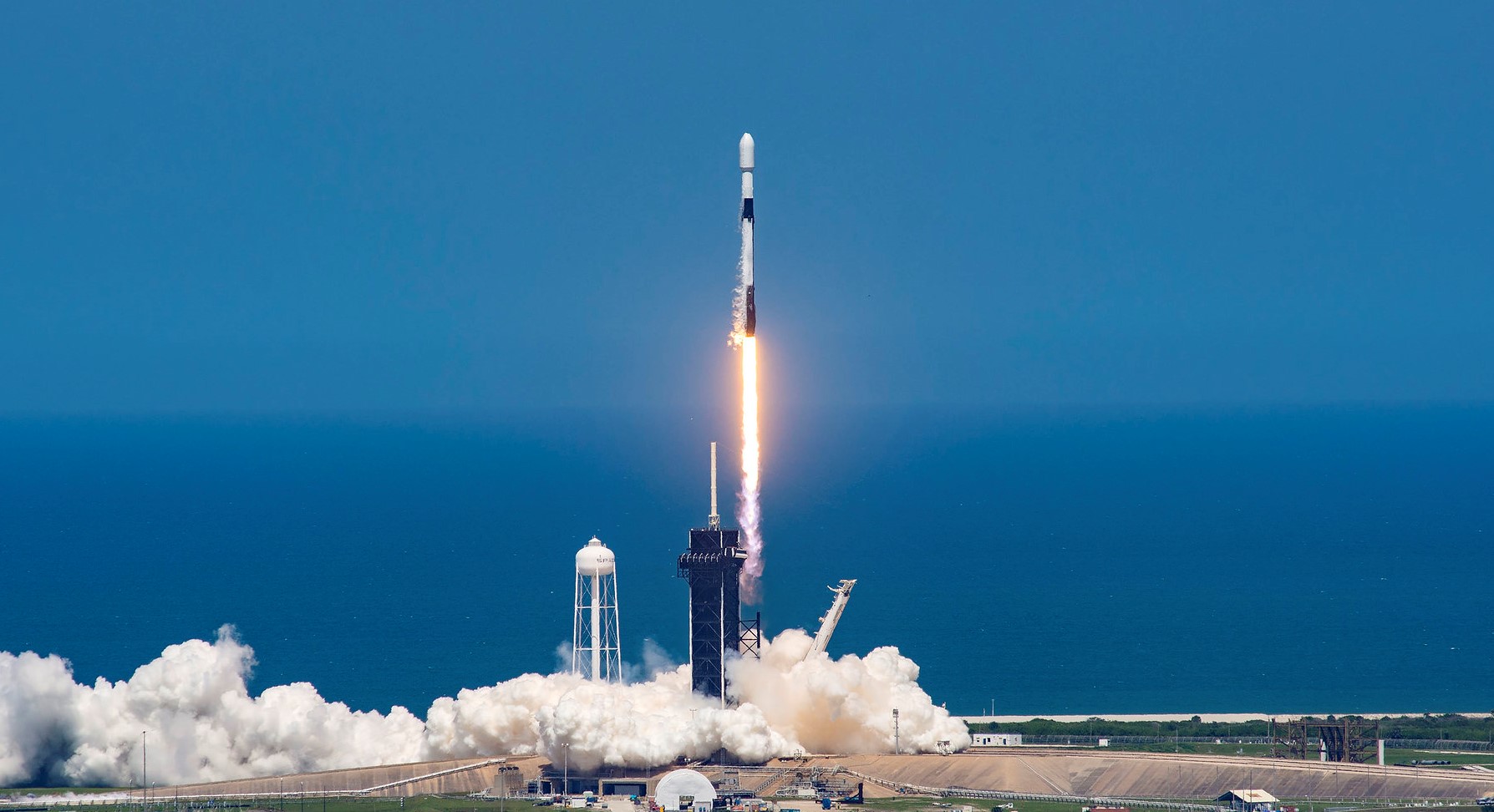
Falcon 9 Block 5 | Haven-1 Crew-1
SpaceX | United States of AmericaCape Canaveral SFS, FL, USA
Status: To Be Determined
Mission:
First crewed mission of VAST Space's future commercial space station Haven-1. The crew of four will remain in orbit for 10 days. The crew will include ESA/CNES astronaut Arnaud Prost, as well as potentially ESA/UKSA astronaut John McFall.
Low Earth Orbit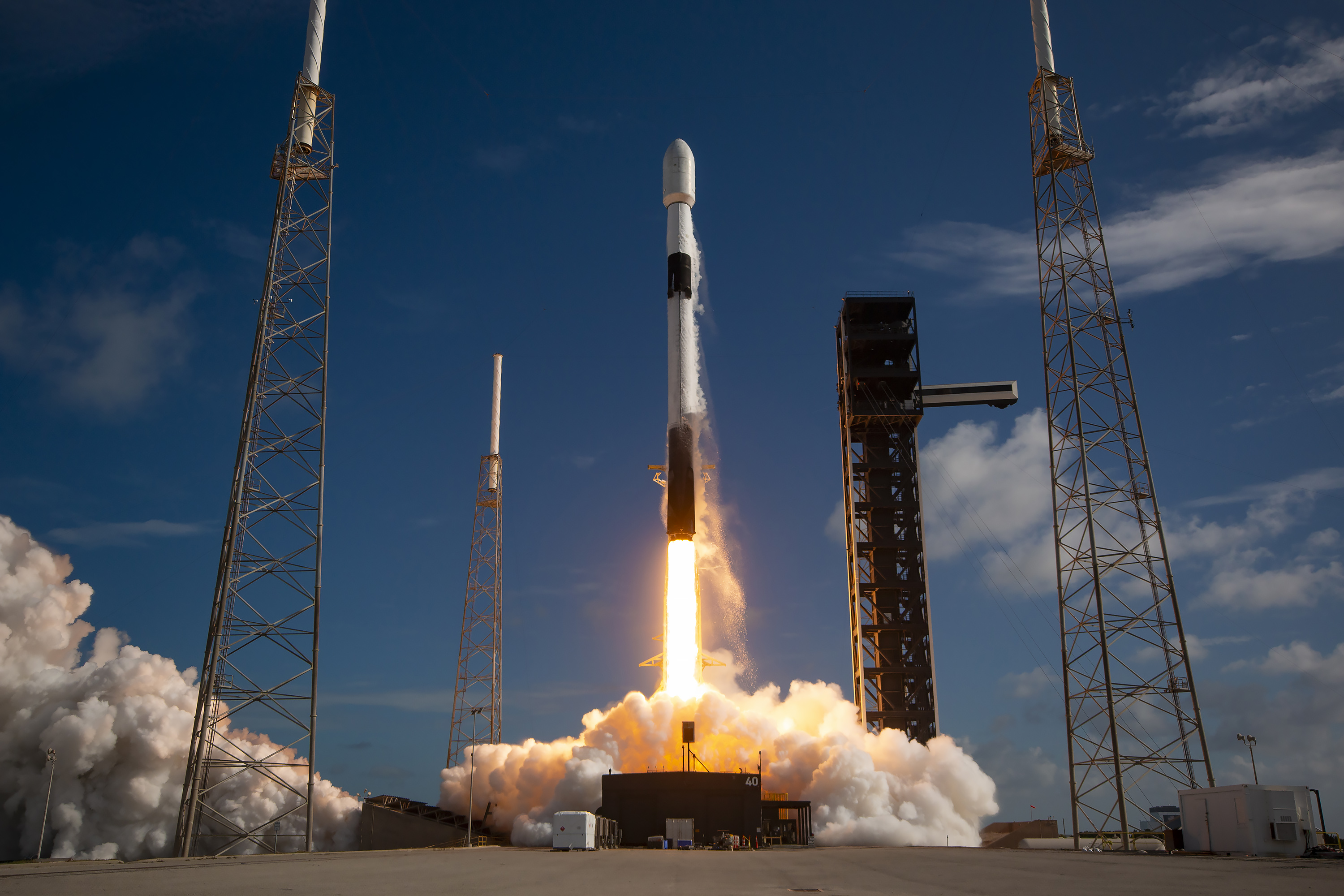
Falcon 9 Block 5 | COSI (Compton Spectrometer and Imager)
SpaceX | United States of AmericaCape Canaveral SFS, FL, USA
Status: To Be Determined
Mission:
Wide-field gamma-ray telescope designed to study energetic phenomena in the Milky Way and beyond, including the creation and destruction of matter and antimatter and the final stages of the lives of stars. The mission is a collaboration between the University of California, Berkeley’s Space Sciences Laboratory, the University of California, San Diego, the Naval Research Laboratory, NASA’s Goddard Space Flight Center, and Northrop Grumman.
Low Earth OrbitFalcon 9 Block 5 | Telesat Lightspeed 1
SpaceX | United States of AmericaCape Canaveral SFS, FL, USA
Falcon 9 Block 5 | Vast-PAM-1 (Vast ISS Mission 1)
SpaceX | United States of AmericaCape Canaveral SFS, FL, USA
Status: To Be Determined
Mission:
Vast’s first private crew rotation to the International Space Station aboard a SpaceX Crew Dragon spacecraft, and NASA's 6th Private Astronaut Mission to the ISS. The crew includes ESA/CNES astronaut Thomas Pesquet, who will serve as Commander for the mission, Czech astronaut Aleš Svoboda, and Greek astronaut Adrianos Golemis. The mission will carry 4 astronauts to and from the International Space Station for up to 2 weeks.
Low Earth Orbit Unknown F9 - Maiden Flight Landing Zone 40Falcon 9 Block 5 | Transporter 21 (Dedicated SSO Rideshare)
SpaceX | United States of AmericaVandenberg SFB, CA, USA
Falcon 9 Block 5 | Arabsat 7A
SpaceX | United States of AmericaCape Canaveral SFS, FL, USA
Long March 2D
CAS Pathfinder-1
Launch Area 94 (SLS-2 / 603) - Jiuquan Satellite Launch Center, People's Republic of ChinaThe Chinese Academy of Science (CAS)' Pathfinder-1 satellites is built for in-orbit validation of critical technologies for the upcoming main mission…
Long March 12
SatNet LEO Group 29
Commercial LC-2 - Wenchang Space Launch Site, People's Republic of ChinaA batch of 9 Low Earth Orbit communication satellites for the Chinese state owned SatNet constellation operated by the China Satellite Network Group.…
Soyuz 2.1b/Fregat-M
Glonass-K1? (Kosmos 2621?)
43/3 (43L) - Plesetsk Cosmodrome, Russian FederationNote: Payload identity uncertain. Glonass-K are the third generation of satellite design for GLONASS satellite navigation system. GLONASS is a Rus…
Falcon 9
USSF-432
Space Launch Complex 4E - Vandenberg SFB, CA, USAA classified mission for the United States Space Force. It is possibly a batch of classified LEO satellites based on SpaceX’s Starshield satellite bu…
Ceres-2
4 satellites
Launch Area 95A - Jiuquan Satellite Launch Center, People's Republic of ChinaShare-ride of 4 commercial Earth observation and technology demonstration satellites to SSO, details TBD.
Long March 2C
Yaogan 51-07 to 09
Launch Complex 3 (LC-3/LA-1) - Xichang Satellite Launch Center, People's Republic of China3 Chinese military “remote sensing” satellite of unknown purposes.
Kinetica 2
SpaceSail Polar Group #17
Launch Area 140 - Jiuquan Satellite Launch Center, People's Republic of China18 Low Earth Orbit communication satellites with Ku, Q and V band payloads for the G60 constellation operated by Shanghai Spacesail Technologies with…
Electron
The Sea God Surveys (iQPS Launch 9)
Rocket Lab Launch Complex 1A - Rocket Lab Launch Complex 1, Mahia Peninsula, New ZealandSynthetic aperture radar Earth observation satellite for Japanese Earth imaging company iQPS.
Falcon 9
Starlink Group 15-18
Space Launch Complex 4E - Vandenberg SFB, CA, USAA batch of 27 satellites for the Starlink mega-constellation - SpaceX's project for space-based Internet communication system.
GSLV Mk II
IRNSS-1L (NVS-03)
Satish Dhawan Space Centre Second Launch Pad - Satish Dhawan Space Centre, IndiaThis is a replacement satellite for the Indian Regional Navigation Satellite System. The constellation will provide India with an alternative to GPS …