Upcoming Spaceflight Launches
Filter by Agency, Locations or Vehicles
Show All Launches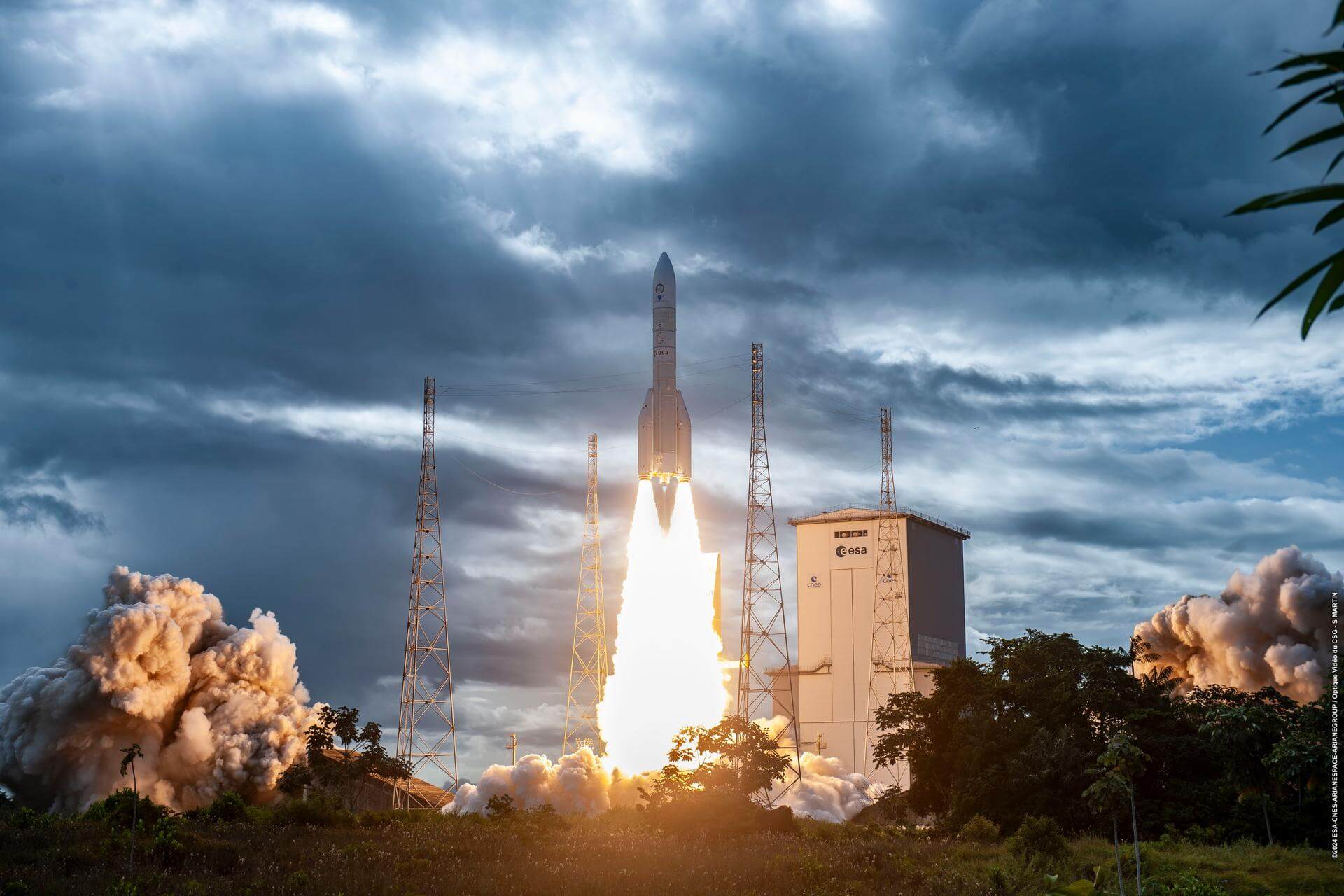
Ariane 62 | Galileo L16 (FOC FM29 & FM30)
ArianeGroup | FranceGuiana Space Centre, French Guiana
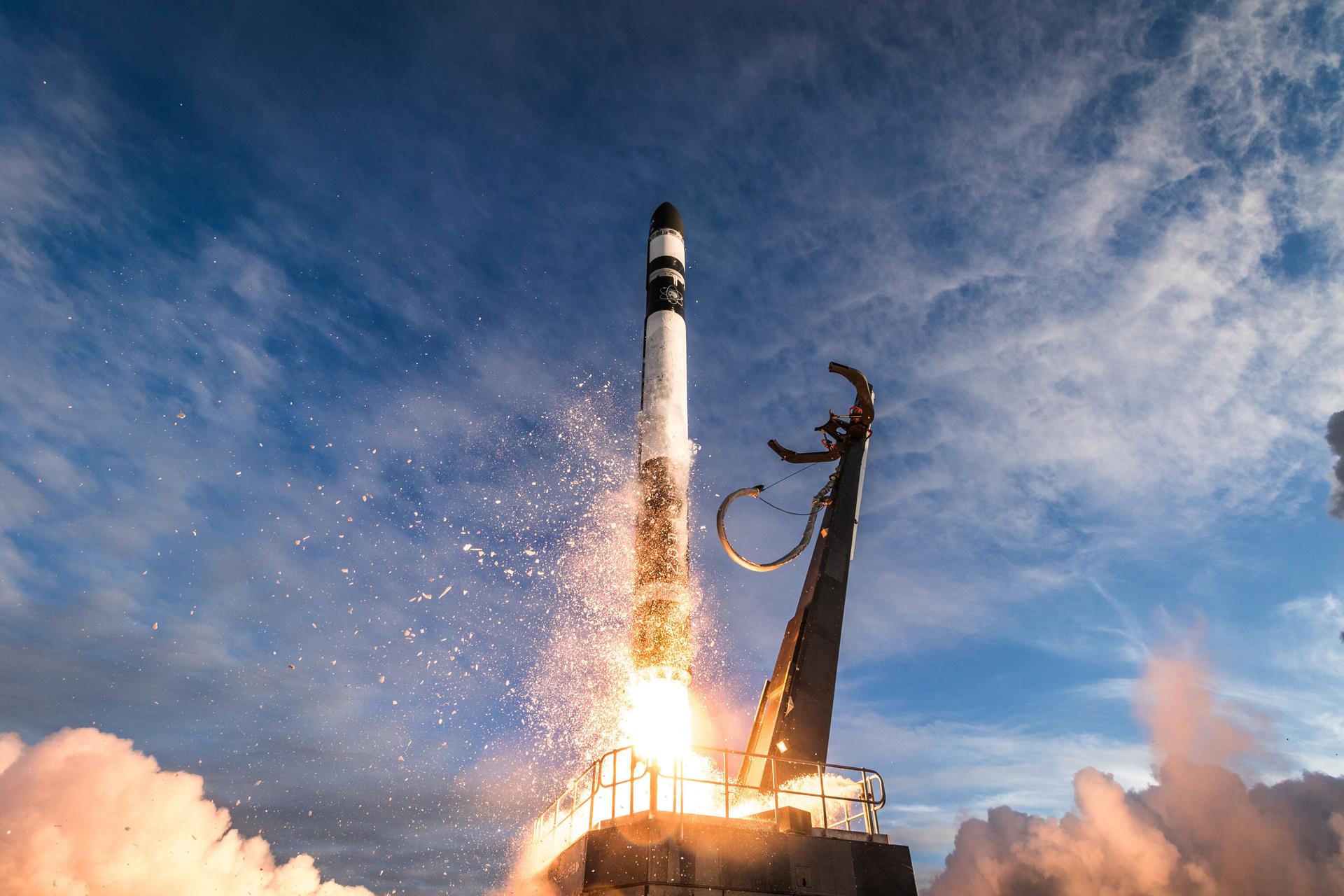
Electron | TSIS-2
Rocket Lab | United States of AmericaRocket Lab Launch Complex 1, Mahia Peninsula, New Zealand
Status: To Be Determined
Mission:
The Total and Spectral Solar Irradiance Sensor 2 (TSIS-2) is a satellite designed by NASA to measure the Sun's energy input to Earth. TSIS-2 comprises two instruments, the Total Irradiance Monitor (TIM), and the spectral Irradiance Monitor (SIM). TIM measures total brightness and SIM measures spectral irradiance over a wavelength range that includes 96% of the energy in the solar spectrum. Both instruments are similar to those used for the TSIS-1 mission onboard the International Space Station.
Sun-Synchronous Orbit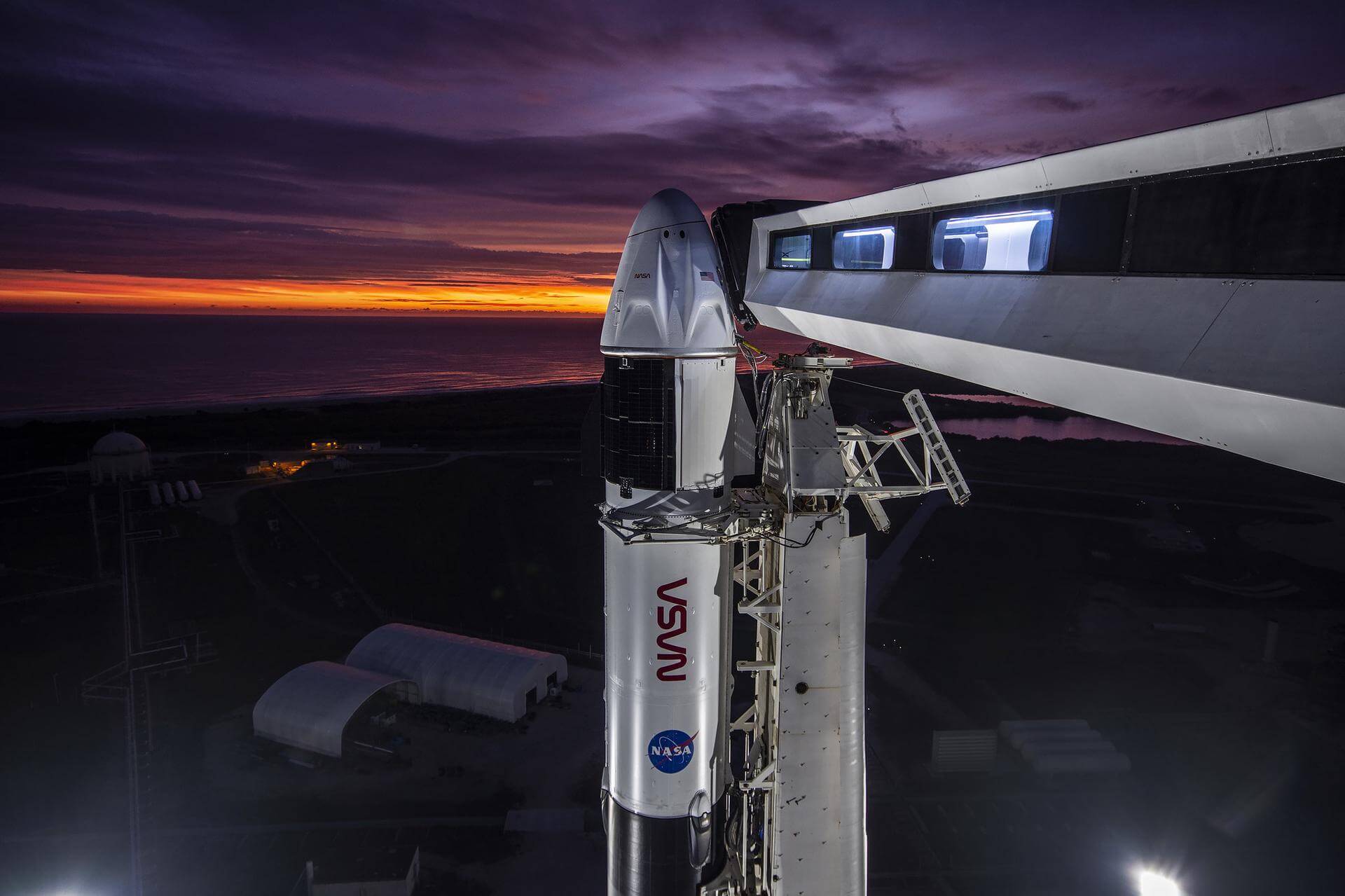
Falcon 9 Block 5 | Crew-14
SpaceX | United States of AmericaCape Canaveral SFS, FL, USA
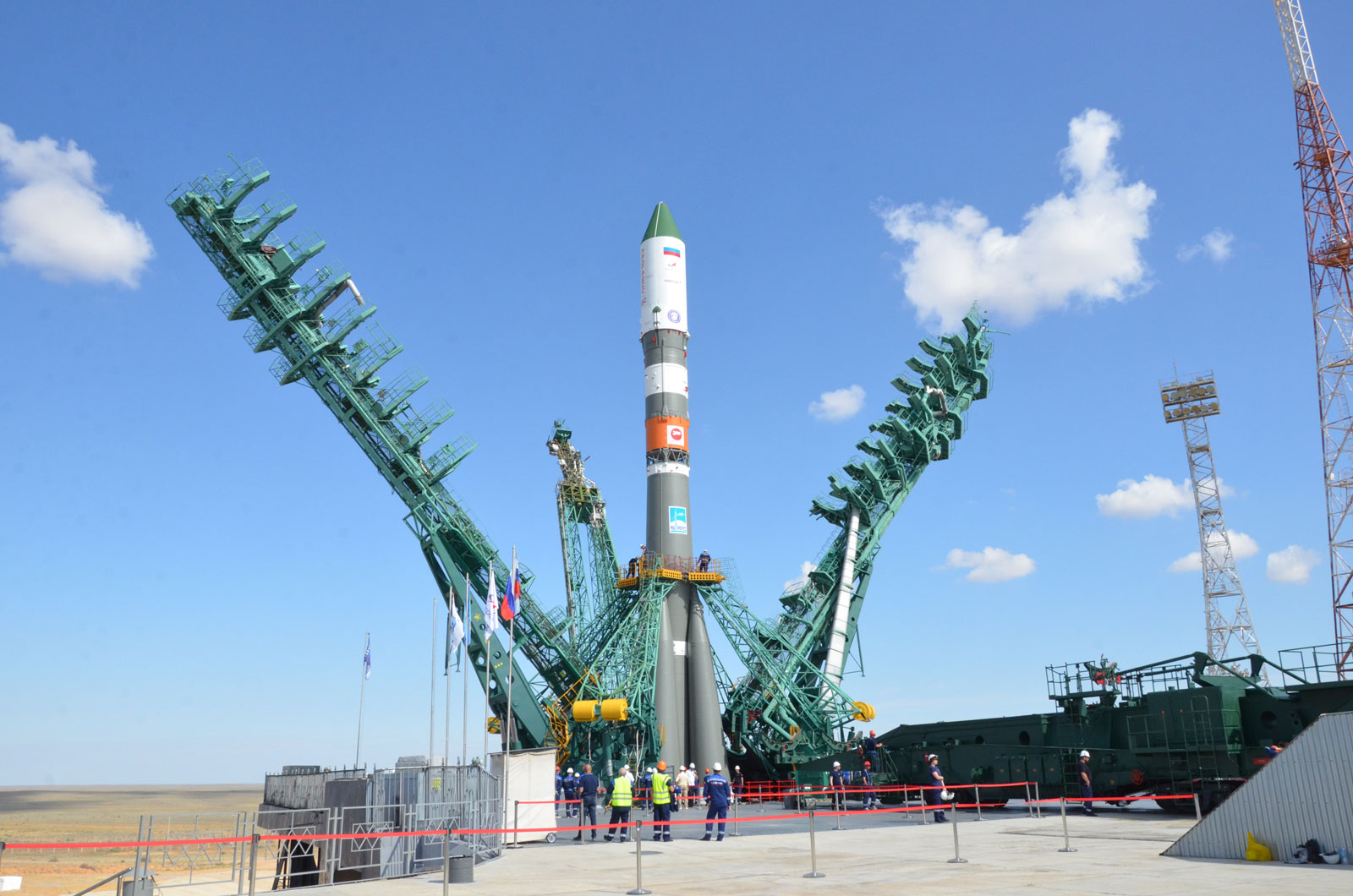
Soyuz 2.1a | Soyuz MS-30
Progress Rocket Space Center | RussiaBaikonur Cosmodrome, Republic of Kazakhstan
Status: To Be Determined
Mission:
Soyuz MS-30 will carry two cosmonauts and one astronaut to the International Space Station aboard the Soyuz spacecraft from the Baikonur Cosmodrome in Kazakhstan. The crew consists of Roscosmos cosmonauts Dmitri Petelin and Konstantin Borisov, as well as NASA astronaut Deniz Burnham.
Low Earth OrbitAriane 62 Block 2 | PLATO
ArianeGroup | FranceGuiana Space Centre, French Guiana
Status: To Be Determined
Mission:
Plato, for PLAnetary Transits and Oscillations of stars, is a European Space Agency (ESA) mission with 26 cameras to study terrestrial exoplanets in orbits up to the habitable zone of Sun-like stars. Its goal is to measure the sizes of exoplanets and discover exomoons and rings around them, as well as characterise planets' host stars by studying tiny light variations in the starlight it receives.
Sun-Earth L2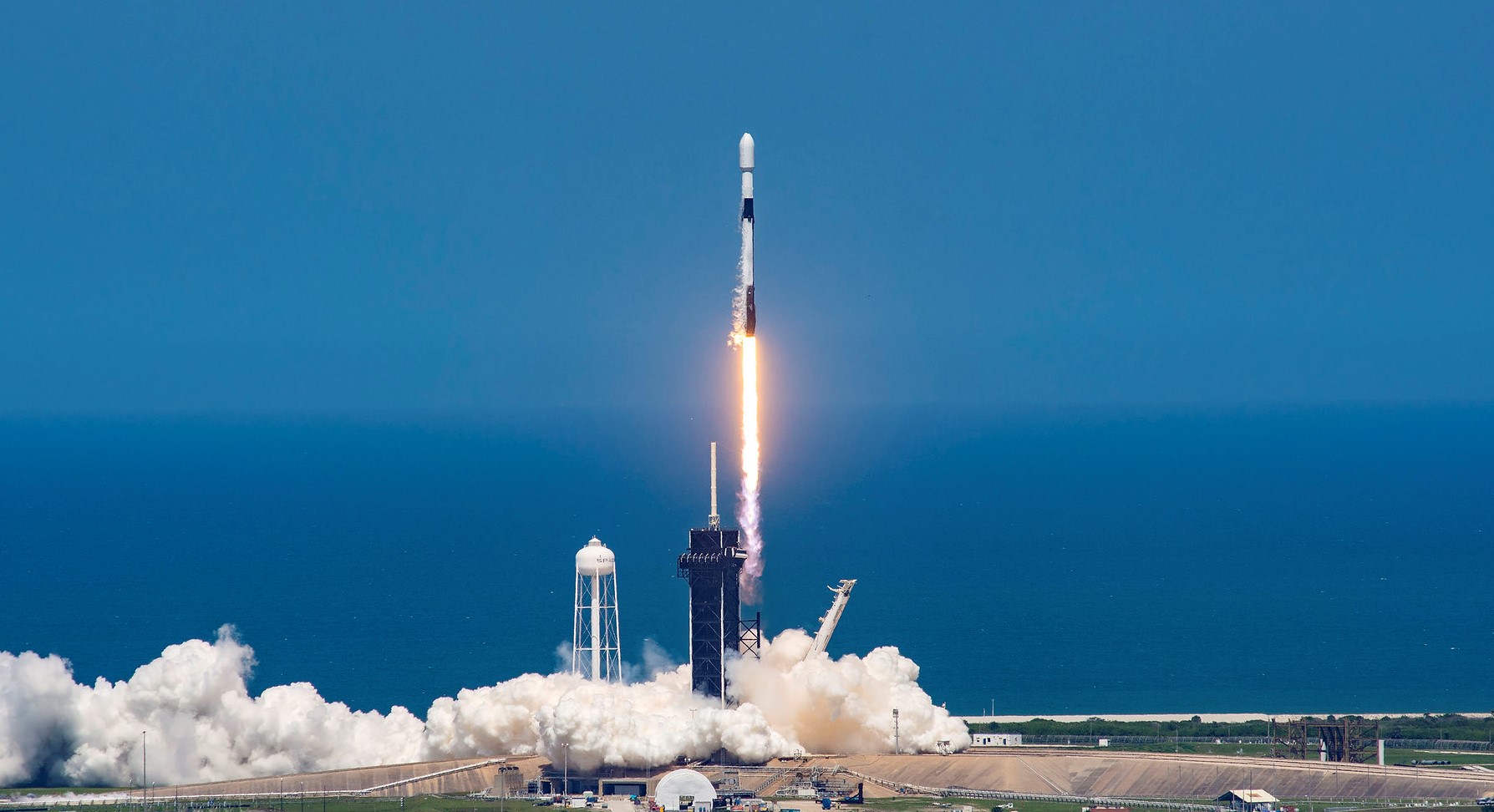
Falcon 9 Block 5 | WSF-M2 & BLAZE-2 (USSF-178)
SpaceX | United States of AmericaVandenberg SFB, CA, USA
Status: To Be Determined
Mission:
Second Weather System Follow-on (WSF) satellite. WSF-M (Weather System Follow-on - Microwave) is the next-generation operational environmental satellite system for the Department of Defense (DoD), to replace the microwave wavelength weather forecasting capabilities of the DMSP satellites. Ball Aerospace has been selected in late November 2017 to be the prime contractor for 2 Low Earth Orbit (LEO) weather satellites with a passive microwave imaging radiometer instrument and hosted Government furnished energetic charged particle (ECP) sensor space weather payload developed by the Air Force Research Laboratory. The radiometer leverages the Ball-built Global Precipitation Measurement (GPM) Microwave Imager (GMI) instrument. This mission will improve weather forecasting over maritime regions by taking global measurements of the atmosphere and ocean surface. The launch will also include BLAZE-2, a launch opportunity for operational, research, development, and prototype small satellites from across the DoD.
Polar Orbit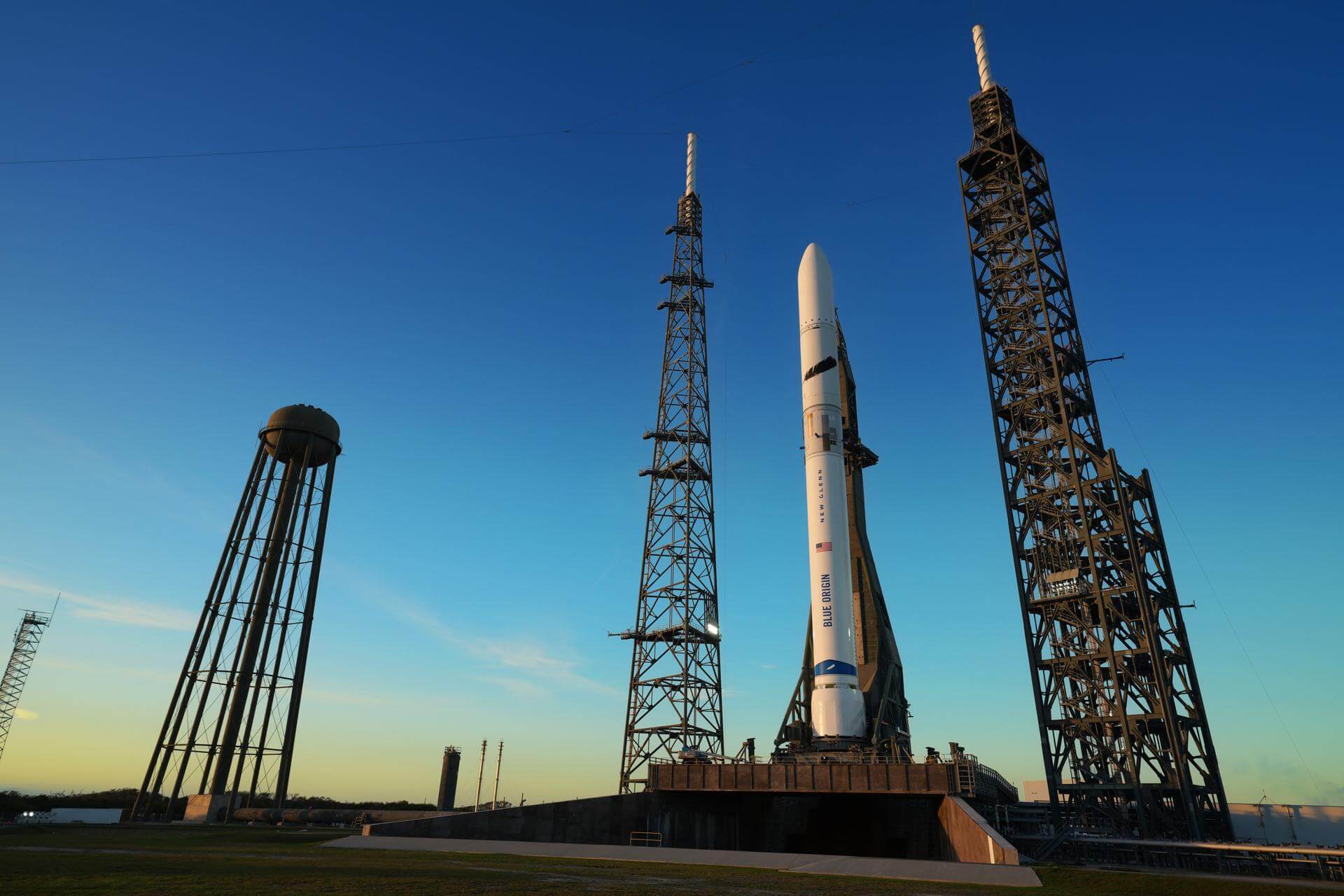
New Glenn | Blue Moon Pathfinder
Blue Origin | United States of AmericaCape Canaveral SFS, FL, USA
Falcon 9 Block 5 | Haven-1
SpaceX | United States of AmericaCape Canaveral SFS, FL, USA
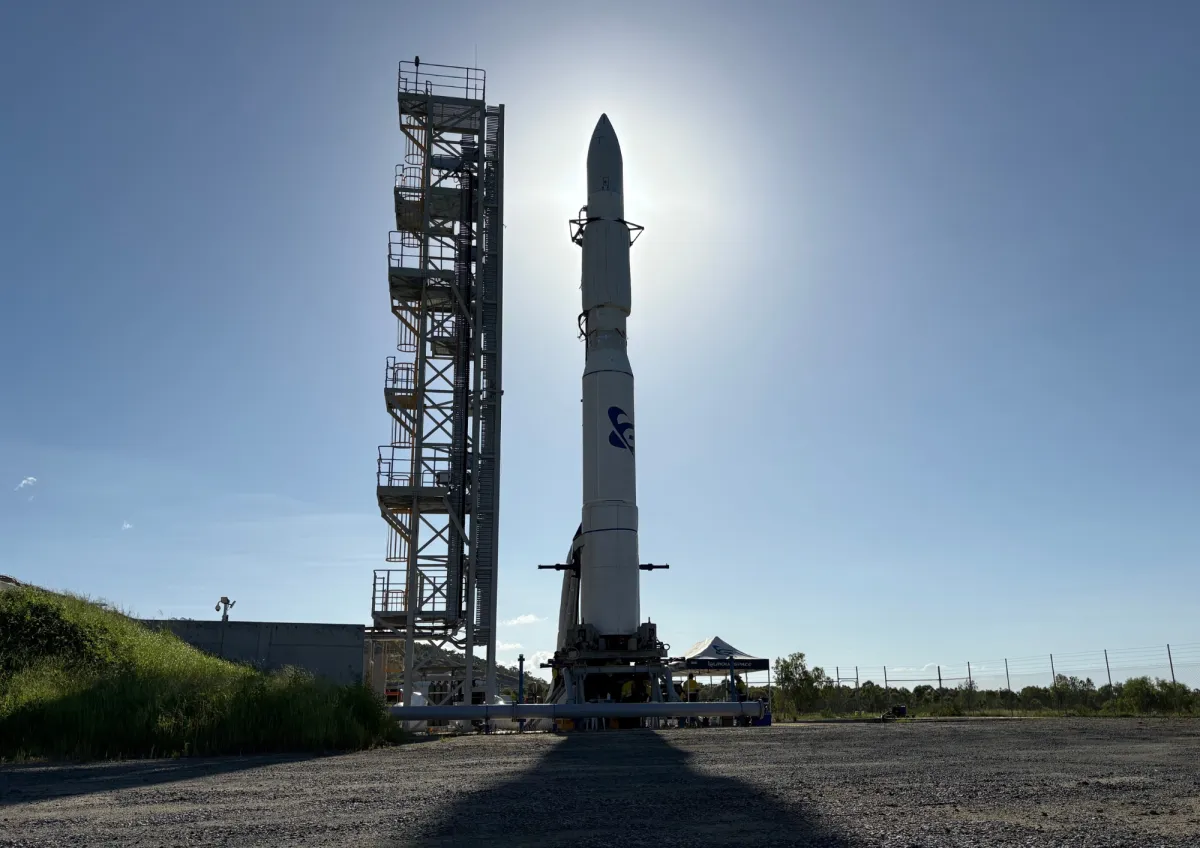
Eris-1 | Flight Two
Gilmour Space Technologies | AustraliaBowen Orbital Spaceport
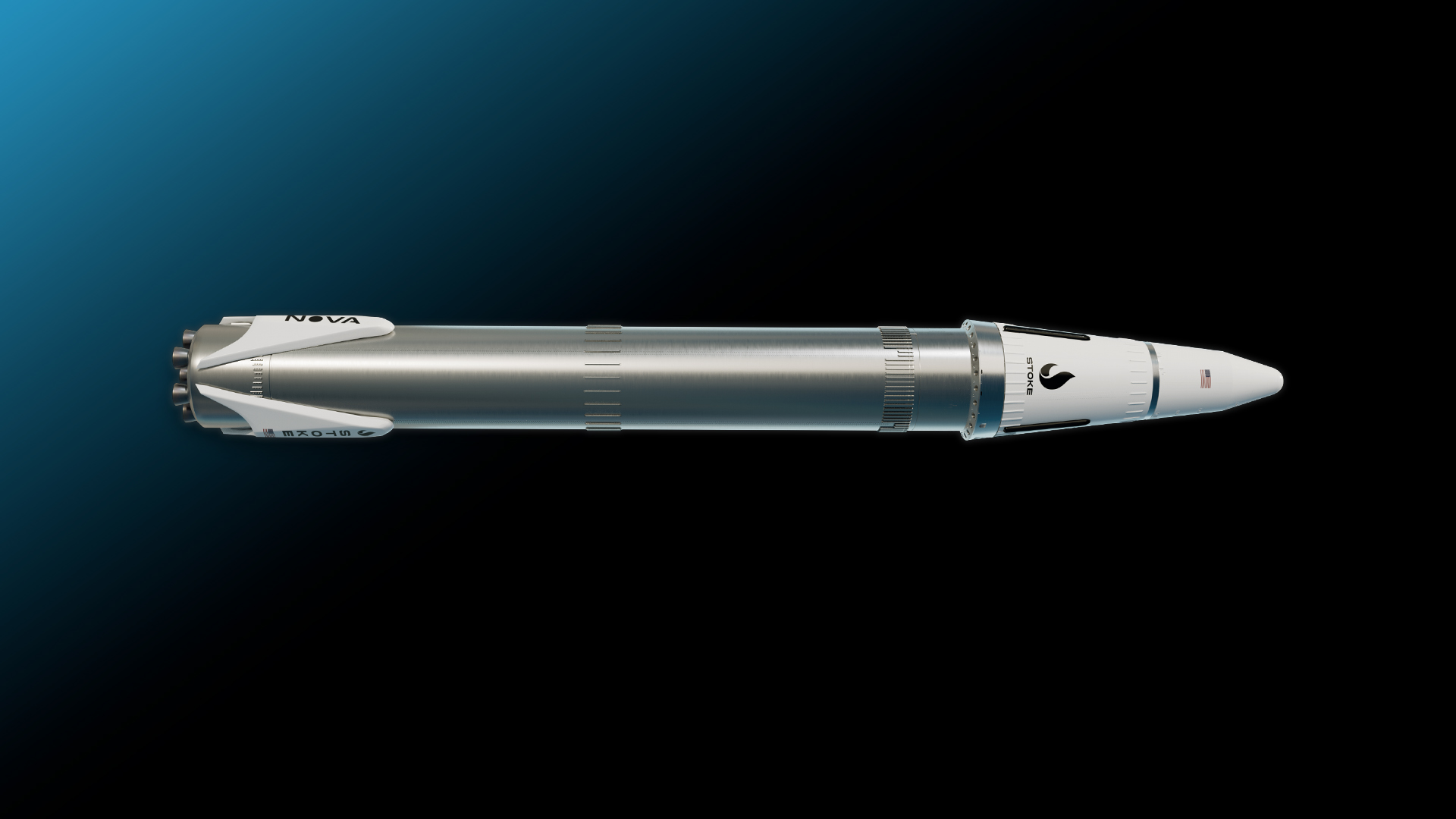
Nova | AstroForge Autonomy-1 (Demo Flight)
Stoke Space | United States of AmericaCape Canaveral SFS, FL, USA
Status: To Be Determined
Mission:
First launch of Stoke Space’s Nova launch vehicle. Asteroid mining technologies company AstroForge's Autonomy-1 will fly on this launch. Autonomy-1 will be the first full-scale flight demonstration of AstroForge's own spacecraft artificial intelligence model, Solo. The spacecraft will be tested for functionality in orbit without being commanded from the ground, and will transmit telemetry and science data back to Earth without human interference, including from COMPASS, a heliophysics science payload from NASA Goddard.
Low Earth OrbitFalcon 9
USSF-385
Space Launch Complex 4E - Vandenberg SFB, CA, USAA classified mission for the United States Space Force. It is possibly a batch of classified LEO satellites based on SpaceX’s Starshield satellite bu…
Electron
Owlright, Owlright, Owlright (StriX Launch 13)
Rocket Lab Launch Complex 1B - Rocket Lab Launch Complex 1, Mahia Peninsula, New ZealandSynthetic aperture radar satellite for Japanese Earth imaging company Synspective.
Long March 6A
Yaogan 40 Group 04
Launch Complex 9A - Taiyuan Satellite Launch Center, People's Republic of China3 Chinese reconnaissance satellites of unknown purposes, officially reported as for "Electromagnetic environment probing".
Long March 8A
SatNet LEO Group 26
Commercial LC-1 - Wenchang Space Launch Site, People's Republic of ChinaA batch of 9 Low Earth Orbit communication satellites for the Chinese state owned SatNet constellation operated by the China Satellite Network Group.…
Kinetica 1
9 satellites
Launch Area 130 - Jiuquan Satellite Launch Center, People's Republic of ChinaShare-ride of 9 commercial Earth observation and technology demonstration satellites to SSO, details TBD.
Falcon 9
Starlink Group 15-27
Space Launch Complex 4E - Vandenberg SFB, CA, USAA batch of 27 satellites for the Starlink mega-constellation - SpaceX's project for space-based Internet communication system.
Long March 2D
PIESAT-2 13-16
Launch Complex 9 - Taiyuan Satellite Launch Center, People's Republic of China4 X-band synthetic-aperture radar Earth observation satellites for the Chinese Earth observation satellite company PIESAT.
Electron
Owl By The Dozen (StriX Launch 12)
Rocket Lab Launch Complex 1B - Rocket Lab Launch Complex 1, Mahia Peninsula, New ZealandSynthetic aperture radar satellite for Japanese Earth imaging company Synspective.
Soyuz 2.1b/Fregat-M
Glonass-K1 No. 20 (?)
43/3 (43L) - Plesetsk Cosmodrome, Russian FederationNote: Satellite serial number and Cosmos designation not confirmed. Glonass-K are the third generation of satellite design for GLONASS satellite n…
Kuaizhou 11
SpaceTY-51 & 52
Launch Area 95A - Jiuquan Satellite Launch Center, People's Republic of China2 Earth observation radar satellites built by the Chinese satellite manufacturer SpaceTY.

