Upcoming Spaceflight Launches
Filter by Agency, Locations or Vehicles
Show All Launches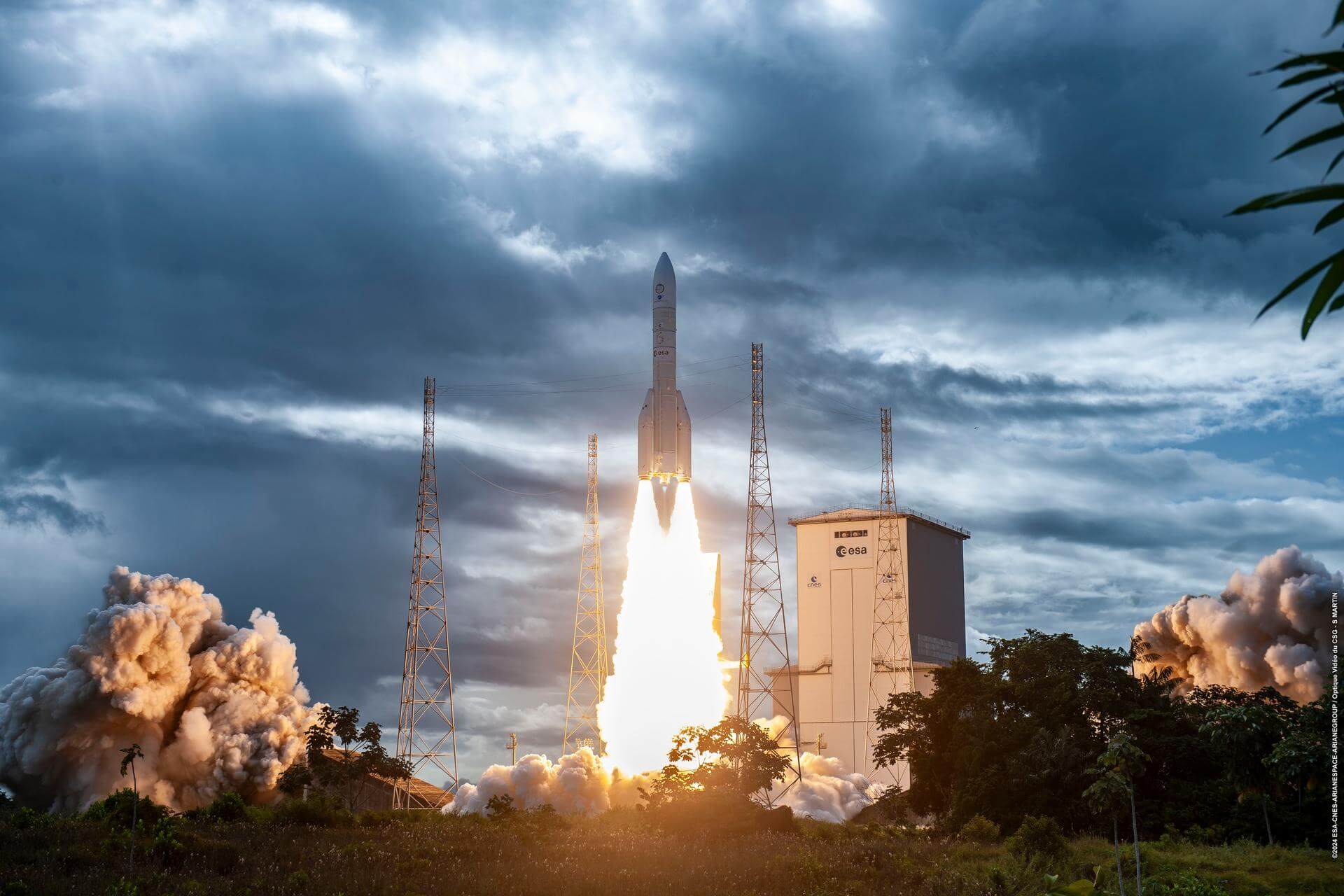
Ariane 62 | Galileo L15 (FOC FM28 & FM31)
ArianeGroup | FranceGuiana Space Centre, French Guiana
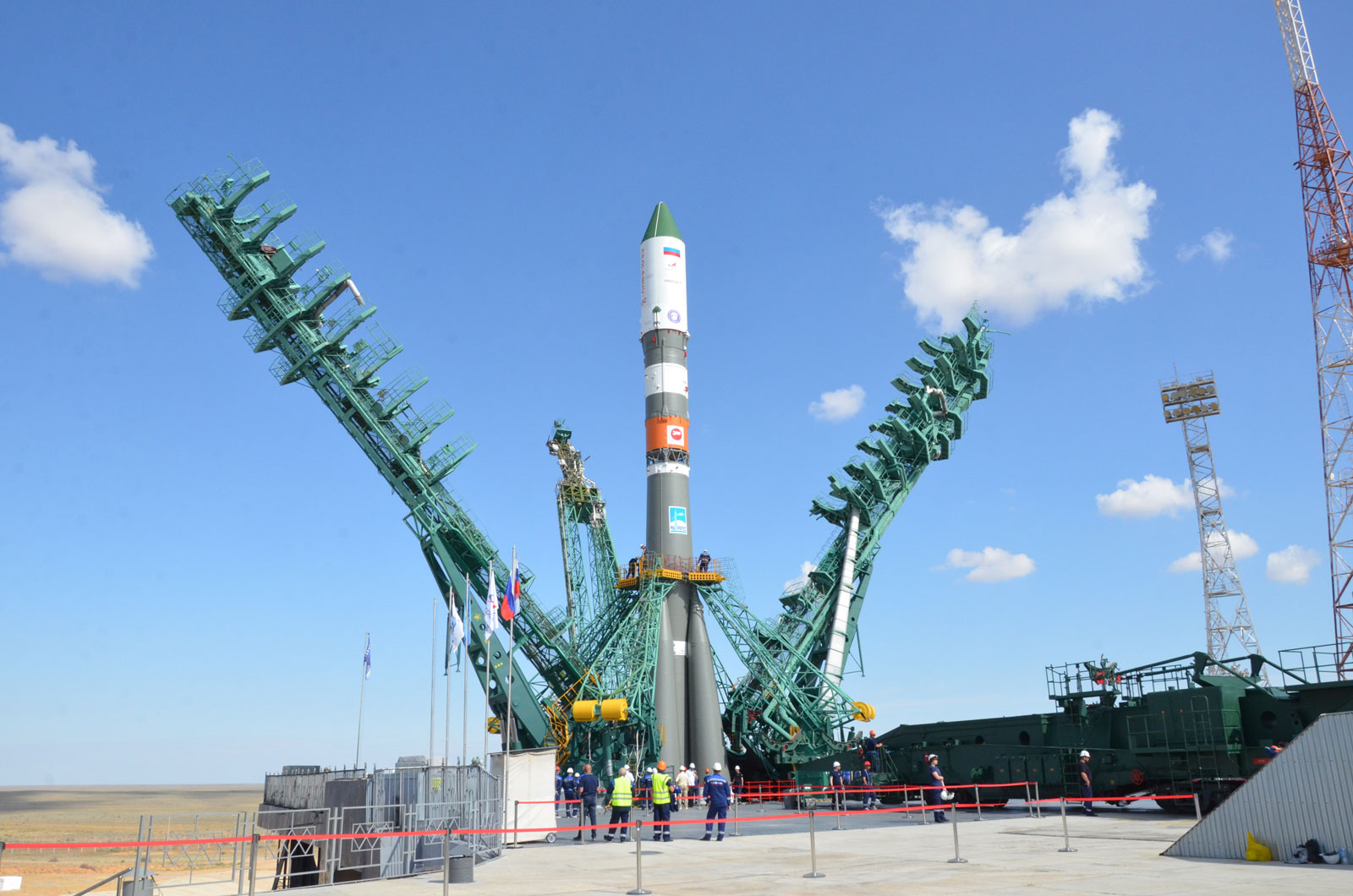
Soyuz 2.1a | Soyuz MS-30
Progress Rocket Space Center | RussiaBaikonur Cosmodrome, Republic of Kazakhstan
Status: To Be Determined
Mission:
Soyuz MS-30 will carry two cosmonauts and one astronaut to the International Space Station aboard the Soyuz spacecraft from the Baikonur Cosmodrome in Kazakhstan. The crew consists of Roscosmos cosmonauts Dmitri Petelin and Konstantin Borisov, as well as NASA astronaut Deniz Burnham.
Low Earth Orbit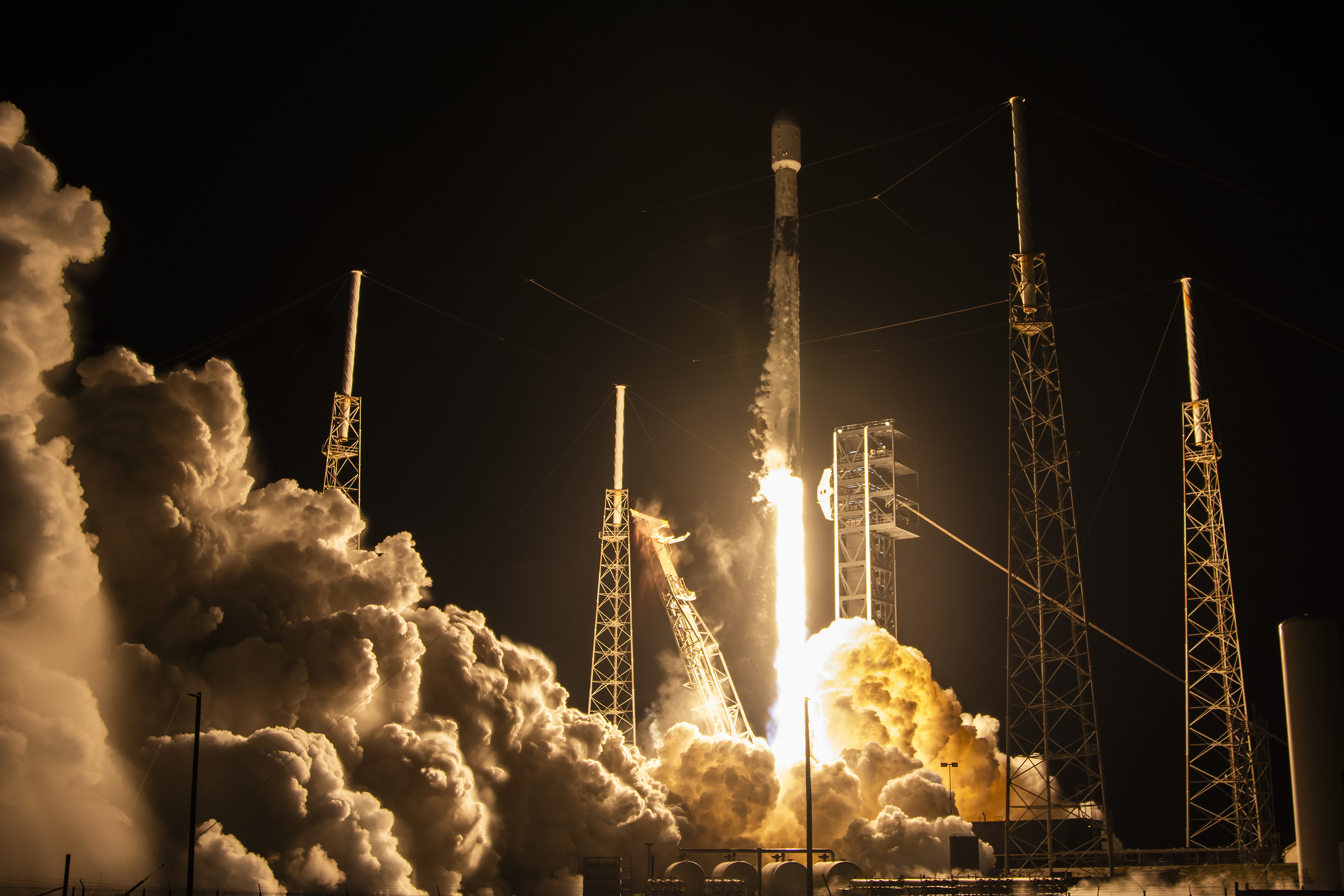
Falcon 9 Block 5 | Bandwagon 6 (Dedicated Mid-Inclination Rideshare)
SpaceX | United States of AmericaCape Canaveral SFS, FL, USA
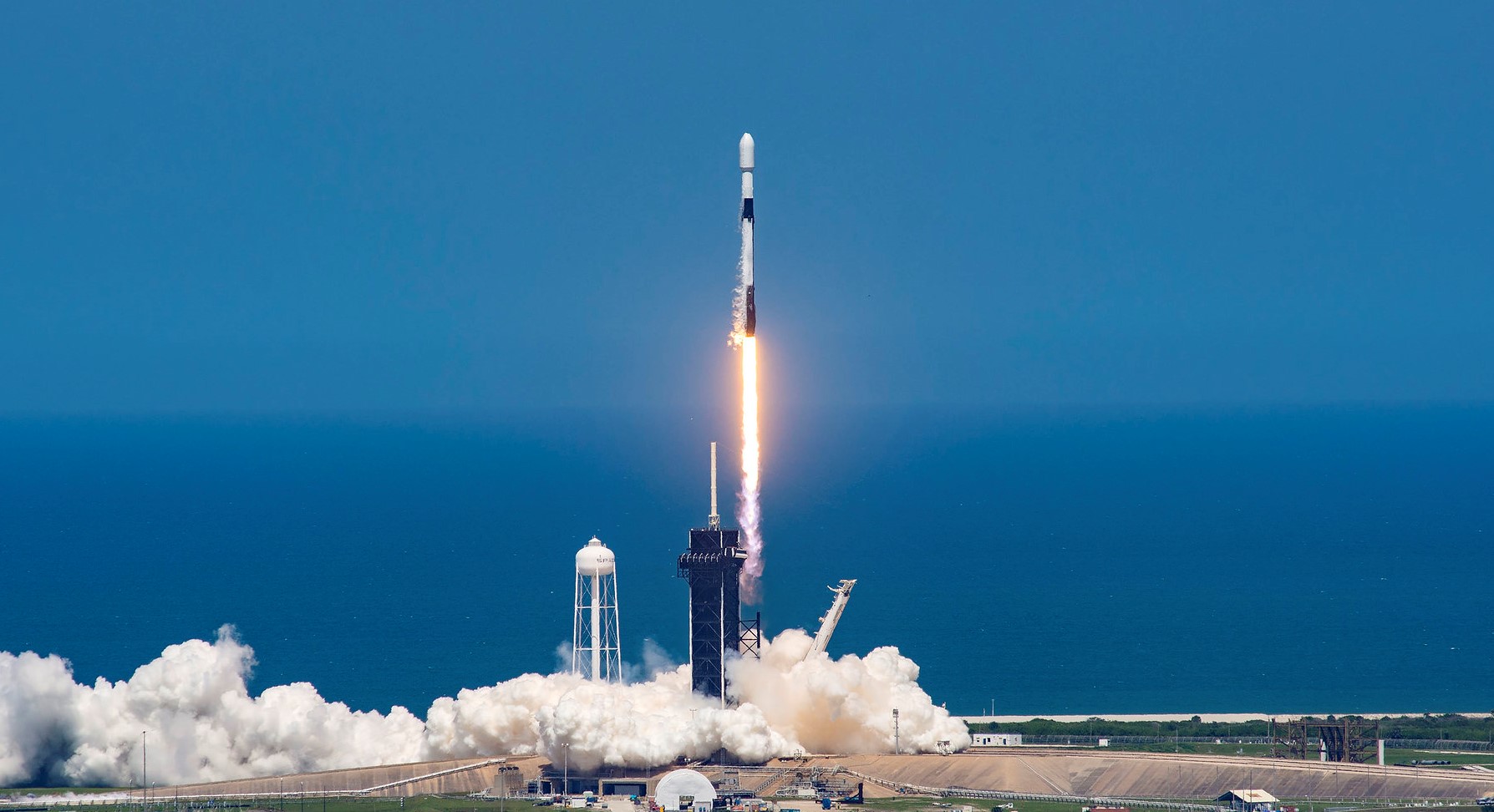
Falcon 9 Block 5 | Turkish Lunar Mission-1 (TLM-1)
SpaceX | United States of AmericaCape Canaveral SFS, FL, USA
Status: To Be Determined
Mission:
Turkish Lunar Mission-1 (TLM-1) is the first Turkish lunar exploration spacecraft mission. The TLM-1 spacecraft will operate for at least 3 months (possibly extended to 6) in a 100-km circular lunar orbit above the lunar surface before concluding its mission with a controlled crash landing. It will test the 1st Turkish spacecraft hybrid propulsion system and collect data about the Moon's water, magnetic activity and radiation. Scientific payload are as follows: * Lunar Neutrals Telescope (LNT) * Lunar Narrow Field of View Radiometer (LNR) * Radiation Calorimeter * Radiation Dosimeter * High Resolution Camera * Wide Angle Video Camera * Vision Based Navigation System.
Lunar Orbit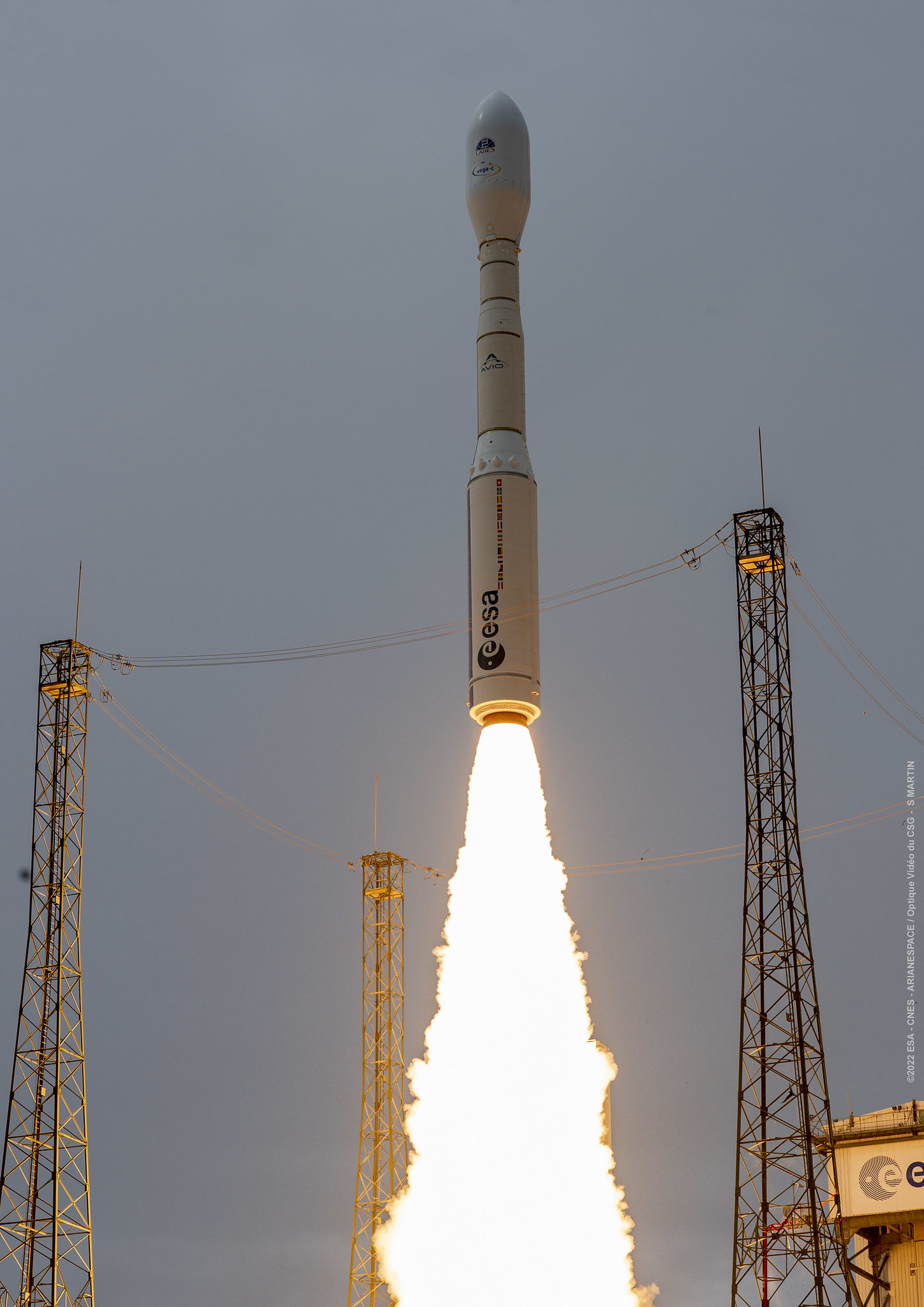
Vega-C | KOMPSAT-6 & PLATiNO 1
Avio S.p.A | ItalyGuiana Space Centre, French Guiana
Status: To Be Determined
Mission:
Korean Multi-purpose Satellite 6 (KOMPSAT-6) is the sixth South Korean Earth observation satellite of the KOMPSAT series. It is equipped with a synthetic aperture radar with a ground resolution between 0.5 and 20 meters. PLATiNO 1 is an experimental X-band SAR earth observation satellite project by the Italian Space Agency (ASI), with a radar payload from Thales Alenia Space Italia. The X-band SAR will first operate in passive mode at 619 km altitude, then in active mode after the satellites moves lower to a 410 km orbit.
Sun-Synchronous OrbitFalcon 9 Block 5 | SDA Tranche 2 Transport Layer I
SpaceX | United States of AmericaCape Canaveral SFS, FL, USA
Vega-C | CSG-4
Avio S.p.A | ItalyGuiana Space Centre, French Guiana
Falcon 9 Block 5 | Trinity
SpaceX | United States of AmericaCape Canaveral SFS, FL, USA
Status: To Be Determined
Mission:
Trinity is a three-spacecraft mission from US satellite manufacturer K2 Space, with each satellite deploying to a different orbital regime to prove out K2 Space’s multi-orbit satellite platform. 2 satellites will be dropped off in LEO, 1 remaining in LEO for a period before raising itself to MEO, while the other will immediately begin climbing to MEO and will aim to complete orbit raising within 90 days. The 3rd satellite will be launched directly into a geostationary transfer orbit.
Geostationary Transfer Orbit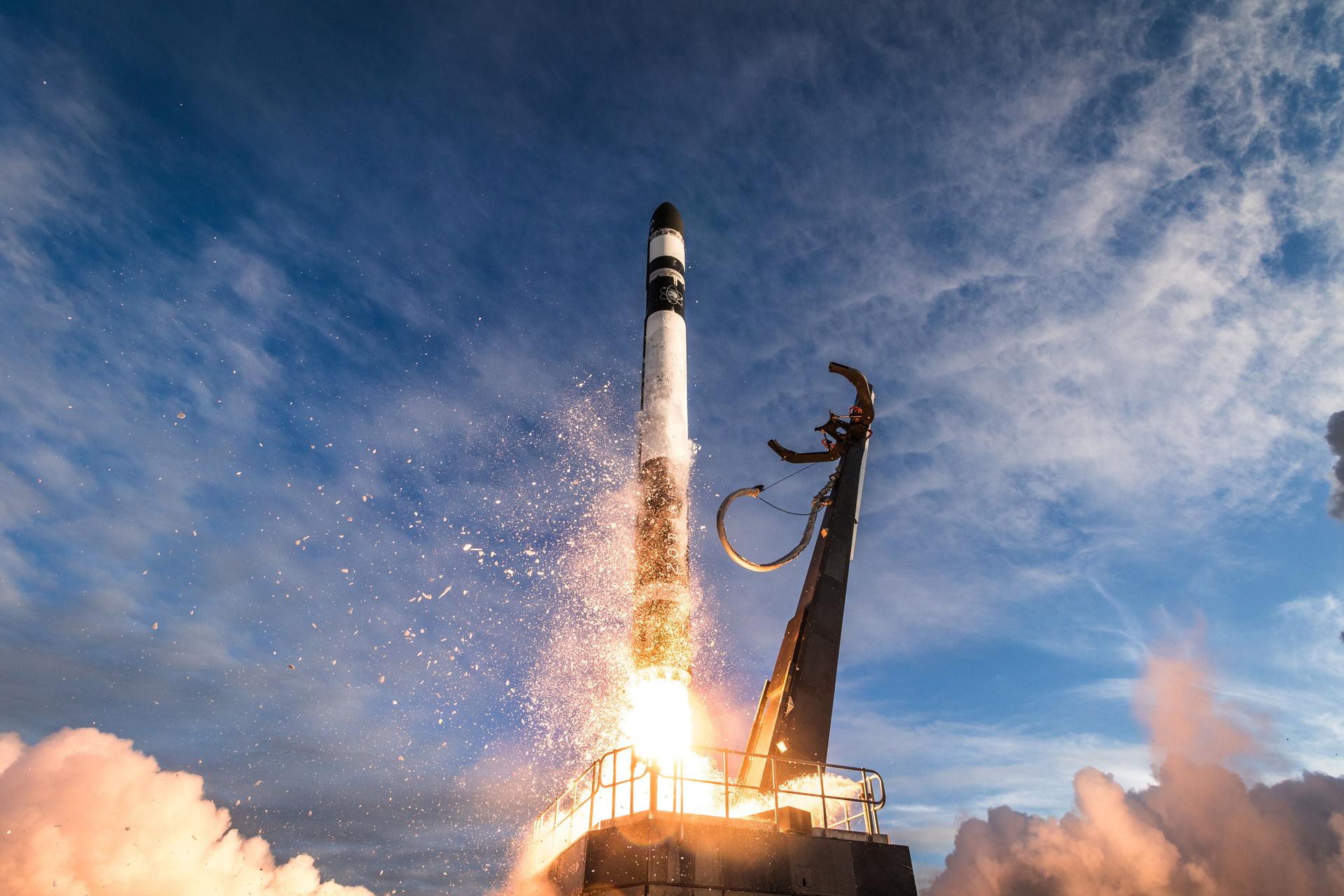
Electron | PolSIR-2
Rocket Lab | United States of AmericaRocket Lab Launch Complex 1, Mahia Peninsula, New Zealand
Status: To Be Determined
Mission:
The PoISIR (Polarized Submillimeter Ice-cloud Radiometer) mission will help provide a better understanding of ice clouds that form at high altitudes throughout tropical and subtropical regions. Consisting of two small satellites, both of PoISIR’s 16U CubeSats have a scientific instrument designed to measure a specific spectrum of electromagnetic radiation, which will determine how the amount of ice in tropical clouds rises and falls during the day, as well as how the ice changes connect to larger storms. The instruments also will help determine how ice clouds affect sunlight and heat radiation throughout the day. The pair of CubeSats will fly in orbits separated by several hours to observe the pattern of cloud ice content changes over a day. This information will help researchers make more accurate weather predictions.
Low Earth Orbit
Vulcan VC4L | Dream Chaser CRS 2 Flight 1
United Launch Alliance | United States of AmericaCape Canaveral SFS, FL, USA
Long March 2D
CAS Pathfinder-1
Launch Area 94 (SLS-2 / 603) - Jiuquan Satellite Launch Center, People's Republic of ChinaThe Chinese Academy of Science (CAS)' Pathfinder-1 satellites is built for in-orbit validation of critical technologies for the upcoming main mission…
Long March 12
SatNet LEO Group 29
Commercial LC-2 - Wenchang Space Launch Site, People's Republic of ChinaA batch of 9 Low Earth Orbit communication satellites for the Chinese state owned SatNet constellation operated by the China Satellite Network Group.…
Soyuz 2.1b/Fregat-M
Glonass-K1? (Kosmos 2621?)
43/3 (43L) - Plesetsk Cosmodrome, Russian FederationNote: Payload identity uncertain. Glonass-K are the third generation of satellite design for GLONASS satellite navigation system. GLONASS is a Rus…
Falcon 9
USSF-432
Space Launch Complex 4E - Vandenberg SFB, CA, USAA classified mission for the United States Space Force. It is possibly a batch of classified LEO satellites based on SpaceX’s Starshield satellite bu…
Ceres-2
4 satellites
Launch Area 95A - Jiuquan Satellite Launch Center, People's Republic of ChinaShare-ride of 4 commercial Earth observation and technology demonstration satellites to SSO, details TBD.
Long March 2C
Yaogan 51-07 to 09
Launch Complex 3 (LC-3/LA-1) - Xichang Satellite Launch Center, People's Republic of China3 Chinese military “remote sensing” satellite of unknown purposes.
Kinetica 2
SpaceSail Polar Group #17
Launch Area 140 - Jiuquan Satellite Launch Center, People's Republic of China18 Low Earth Orbit communication satellites with Ku, Q and V band payloads for the G60 constellation operated by Shanghai Spacesail Technologies with…
Electron
The Sea God Surveys (iQPS Launch 9)
Rocket Lab Launch Complex 1A - Rocket Lab Launch Complex 1, Mahia Peninsula, New ZealandSynthetic aperture radar Earth observation satellite for Japanese Earth imaging company iQPS.
Falcon 9
Starlink Group 15-18
Space Launch Complex 4E - Vandenberg SFB, CA, USAA batch of 27 satellites for the Starlink mega-constellation - SpaceX's project for space-based Internet communication system.
GSLV Mk II
IRNSS-1L (NVS-03)
Satish Dhawan Space Centre Second Launch Pad - Satish Dhawan Space Centre, IndiaThis is a replacement satellite for the Indian Regional Navigation Satellite System. The constellation will provide India with an alternative to GPS …