Upcoming Spaceflight Launches
Filter by Agency, Locations or Vehicles
Show All Launches
Vulcan VC4L | Dream Chaser CRS 2 Flight 1
United Launch Alliance | United States of AmericaCape Canaveral SFS, FL, USA
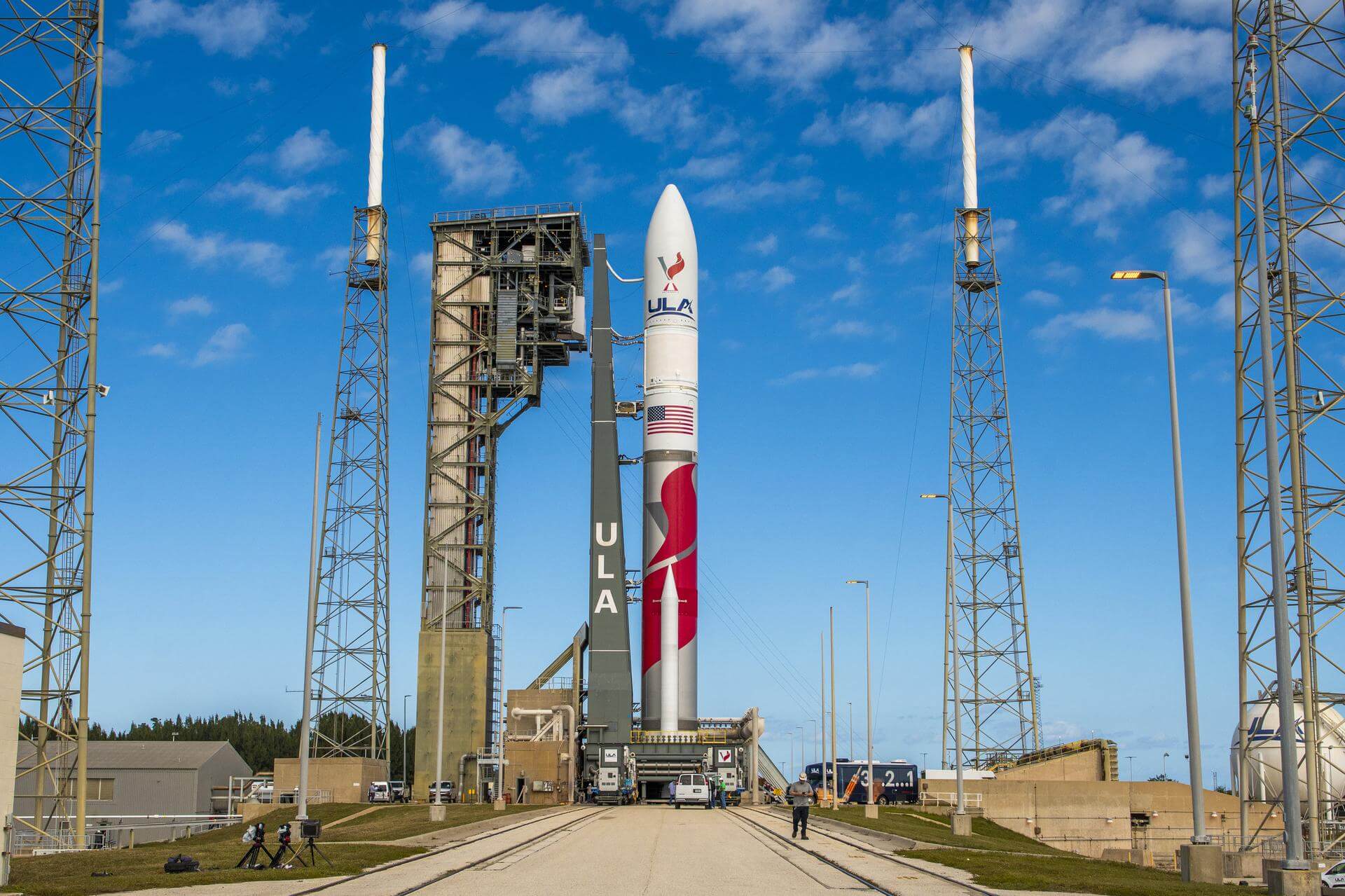
Vulcan | NROL-64
United Launch Alliance | United States of AmericaCape Canaveral SFS, FL, USA
Vulcan | SDA Tranche 1 Tracking Layer D
United Launch Alliance | United States of AmericaVandenberg SFB, CA, USA
Status: To Be Determined
Mission:
Tranche 1 Tracking Layer D is one of five missions by the United States Space Force Space Development Agency (SDA) for the Proliferated Warfighter Space Architecture (PWSA) Tranche 1 Tracking Layer constellation, which will provide global indications, warning, tracking, and targeting of advanced missile threats, including hypersonic missile systems.
Polar Orbit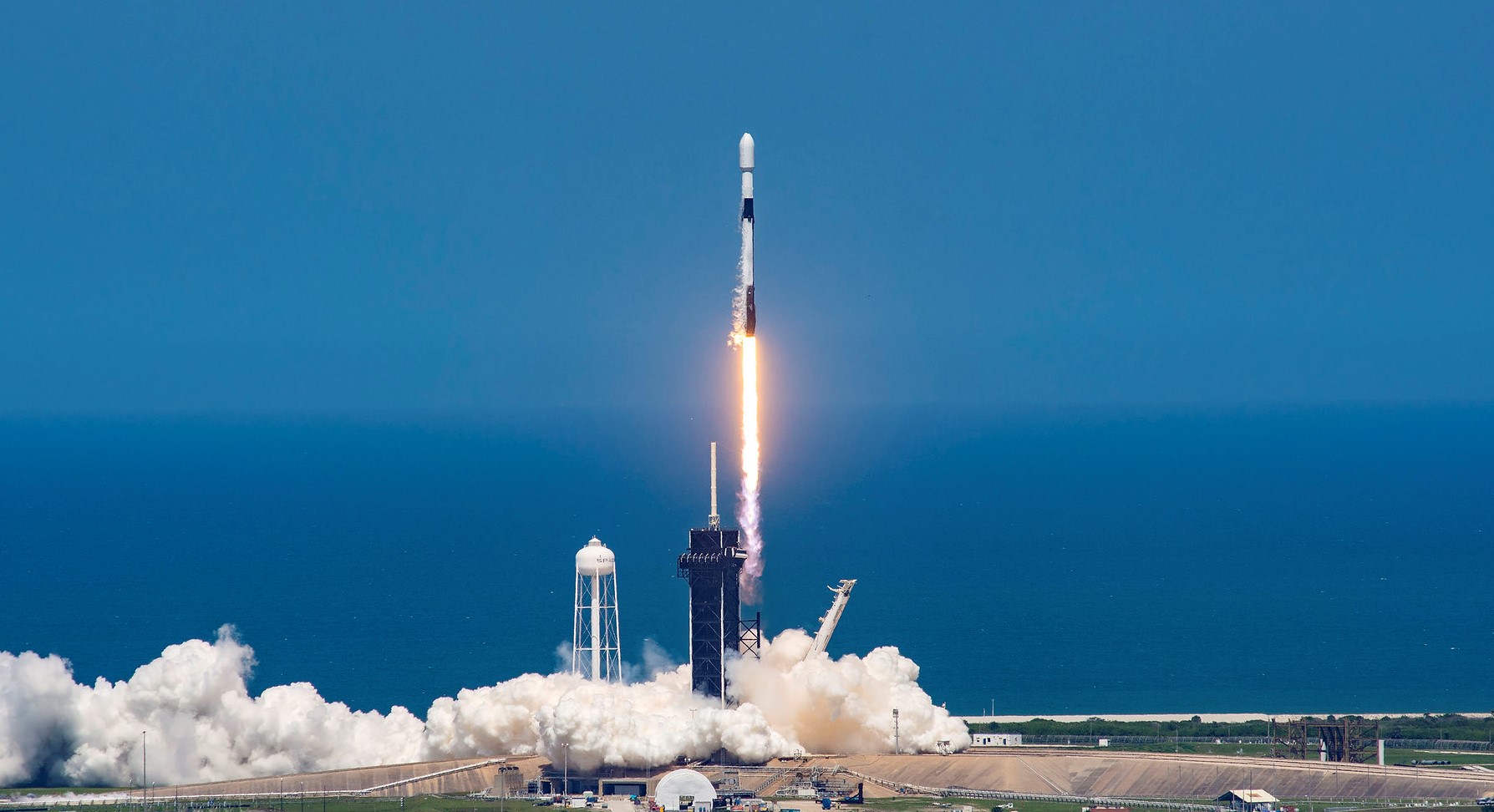
Falcon 9 Block 5 | Rivada 9
SpaceX | United States of AmericaVandenberg SFB, CA, USA
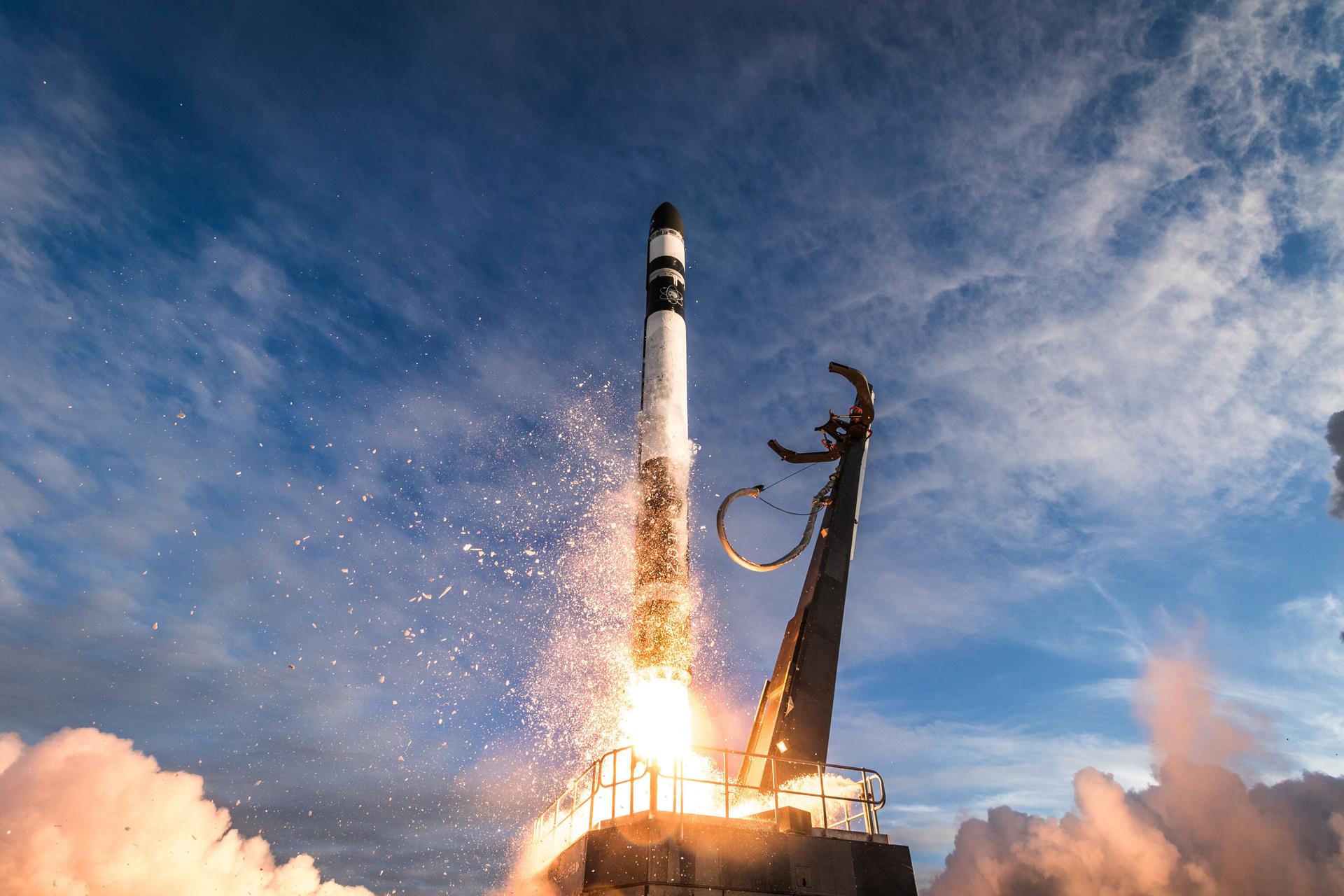
Electron | BlackSky Gen-3 8
Rocket Lab | United States of AmericaRocket Lab Launch Complex 1, Mahia Peninsula, New Zealand
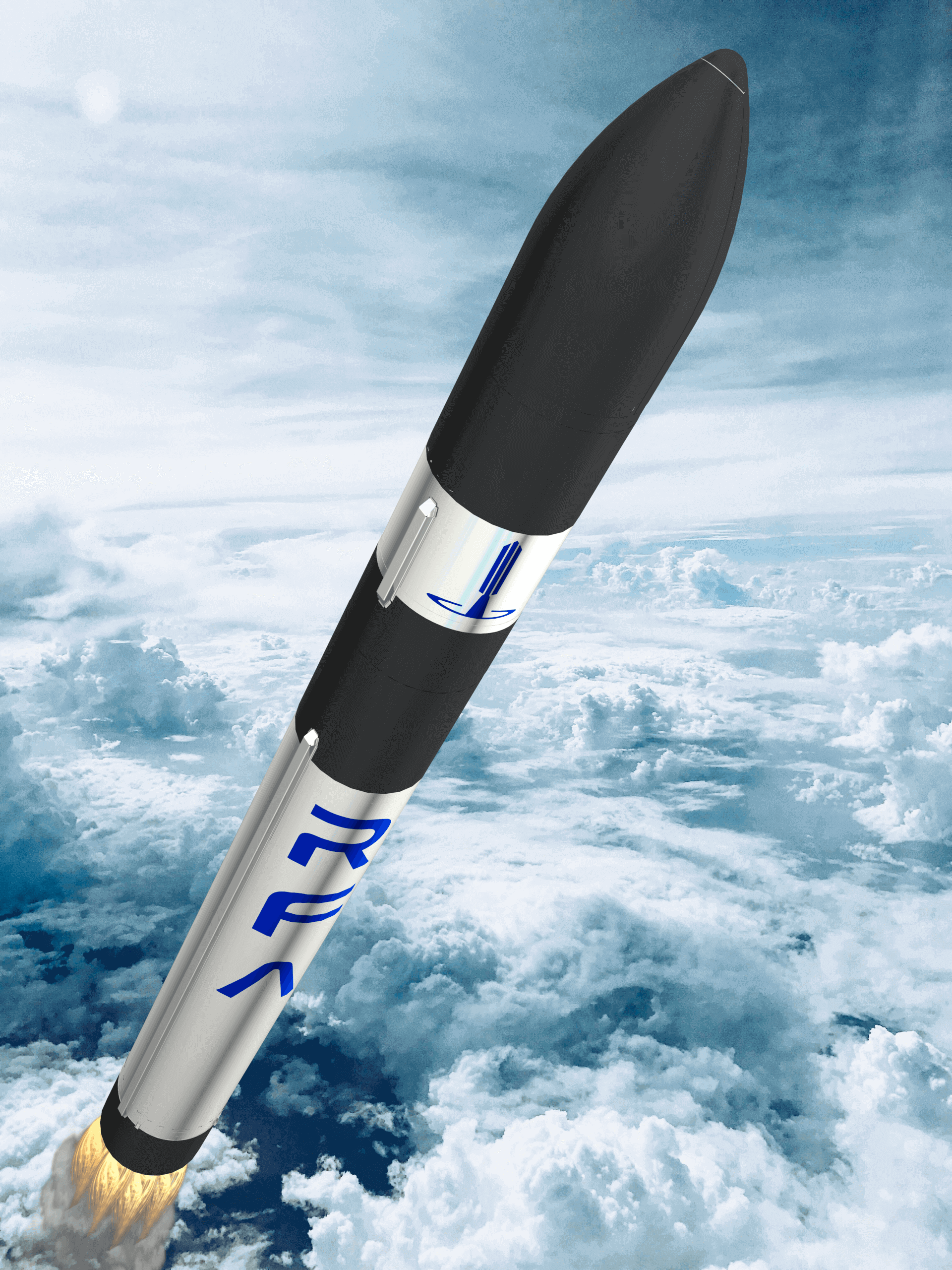
RFA One | Maiden Flight
Rocket Factory Augsburg | GermanySaxaVord Spaceport
Status: To Be Determined
Mission:
First flight of the RFA One launch vehicle. Will carry 7 satellites for various companies and organizations coordinated by the German Aerospace Center (DLR). * AllBertEinStein * ARTICA * Curium Two * ERMINAZ * PCIOD * Separation Ring Mission * SpaceDREAM
Sun-Synchronous OrbitVulcan | NROL-83
United Launch Alliance | United States of AmericaVandenberg SFB, CA, USA
Electron | BlackSky Gen-3 9
Rocket Lab | United States of AmericaRocket Lab Launch Complex 1, Mahia Peninsula, New Zealand
Vulcan | WGS-11
United Launch Alliance | United States of AmericaCape Canaveral SFS, FL, USA
Vulcan | USSF-23
United Launch Alliance | United States of AmericaCape Canaveral SFS, FL, USA
Falcon 9
USSF-385
Space Launch Complex 4E - Vandenberg SFB, CA, USAA classified mission for the United States Space Force. It is possibly a batch of classified LEO satellites based on SpaceX’s Starshield satellite bu…
Electron
Owlright, Owlright, Owlright (StriX Launch 13)
Rocket Lab Launch Complex 1B - Rocket Lab Launch Complex 1, Mahia Peninsula, New ZealandSynthetic aperture radar satellite for Japanese Earth imaging company Synspective.
Long March 6A
Yaogan 40 Group 04
Launch Complex 9A - Taiyuan Satellite Launch Center, People's Republic of China3 Chinese reconnaissance satellites of unknown purposes, officially reported as for "Electromagnetic environment probing".
Long March 8A
SatNet LEO Group 26
Commercial LC-1 - Wenchang Space Launch Site, People's Republic of ChinaA batch of 9 Low Earth Orbit communication satellites for the Chinese state owned SatNet constellation operated by the China Satellite Network Group.…
Kinetica 1
9 satellites
Launch Area 130 - Jiuquan Satellite Launch Center, People's Republic of ChinaShare-ride of 9 commercial Earth observation and technology demonstration satellites to SSO, details TBD.
Falcon 9
Starlink Group 15-27
Space Launch Complex 4E - Vandenberg SFB, CA, USAA batch of 27 satellites for the Starlink mega-constellation - SpaceX's project for space-based Internet communication system.
Long March 2D
PIESAT-2 13-16
Launch Complex 9 - Taiyuan Satellite Launch Center, People's Republic of China4 X-band synthetic-aperture radar Earth observation satellites for the Chinese Earth observation satellite company PIESAT.
Electron
Owl By The Dozen (StriX Launch 12)
Rocket Lab Launch Complex 1B - Rocket Lab Launch Complex 1, Mahia Peninsula, New ZealandSynthetic aperture radar satellite for Japanese Earth imaging company Synspective.
Soyuz 2.1b/Fregat-M
Glonass-K1 No. 20 (?)
43/3 (43L) - Plesetsk Cosmodrome, Russian FederationNote: Satellite serial number and Cosmos designation not confirmed. Glonass-K are the third generation of satellite design for GLONASS satellite n…
Kuaizhou 11
SpaceTY-51 & 52
Launch Area 95A - Jiuquan Satellite Launch Center, People's Republic of China2 Earth observation radar satellites built by the Chinese satellite manufacturer SpaceTY.