Vandenberg Launch Schedule
Upcoming launches out of Vandenberg AFB, California
Filter by Agency, Locations or Vehicles
Show All Launches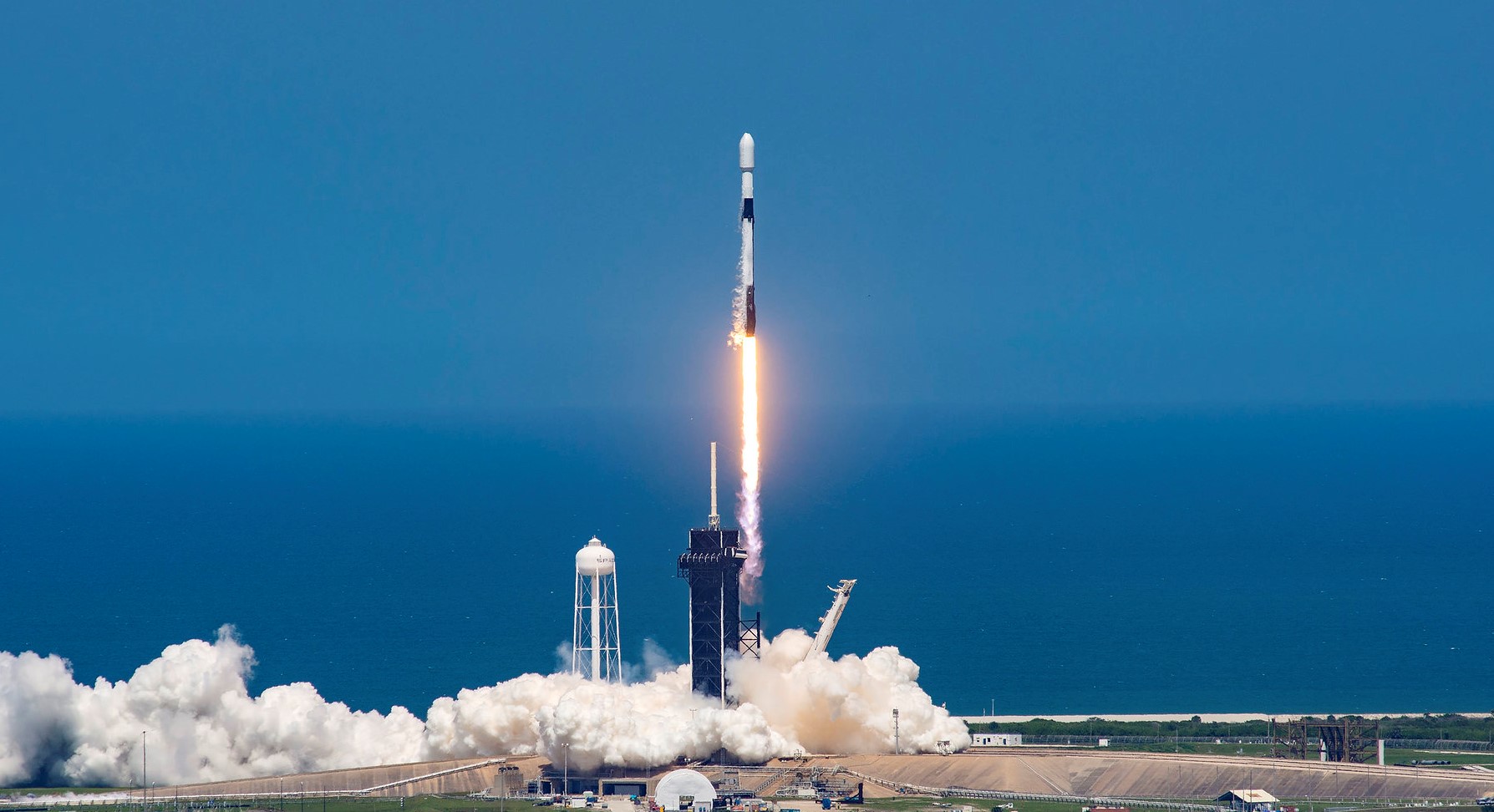
Falcon 9 Block 5 | SDA Tranche 1 Tracking Layer D
SpaceX | United States of AmericaVandenberg SFB, CA, USA
Status: To Be Determined
Mission:
Tranche 1 Tracking Layer D is one of five missions by the United States Space Force Space Development Agency (SDA) for the Proliferated Warfighter Space Architecture (PWSA) Tranche 1 Tracking Layer constellation, which will provide global indications, warning, tracking, and targeting of advanced missile threats, including hypersonic missile systems.
Polar Orbit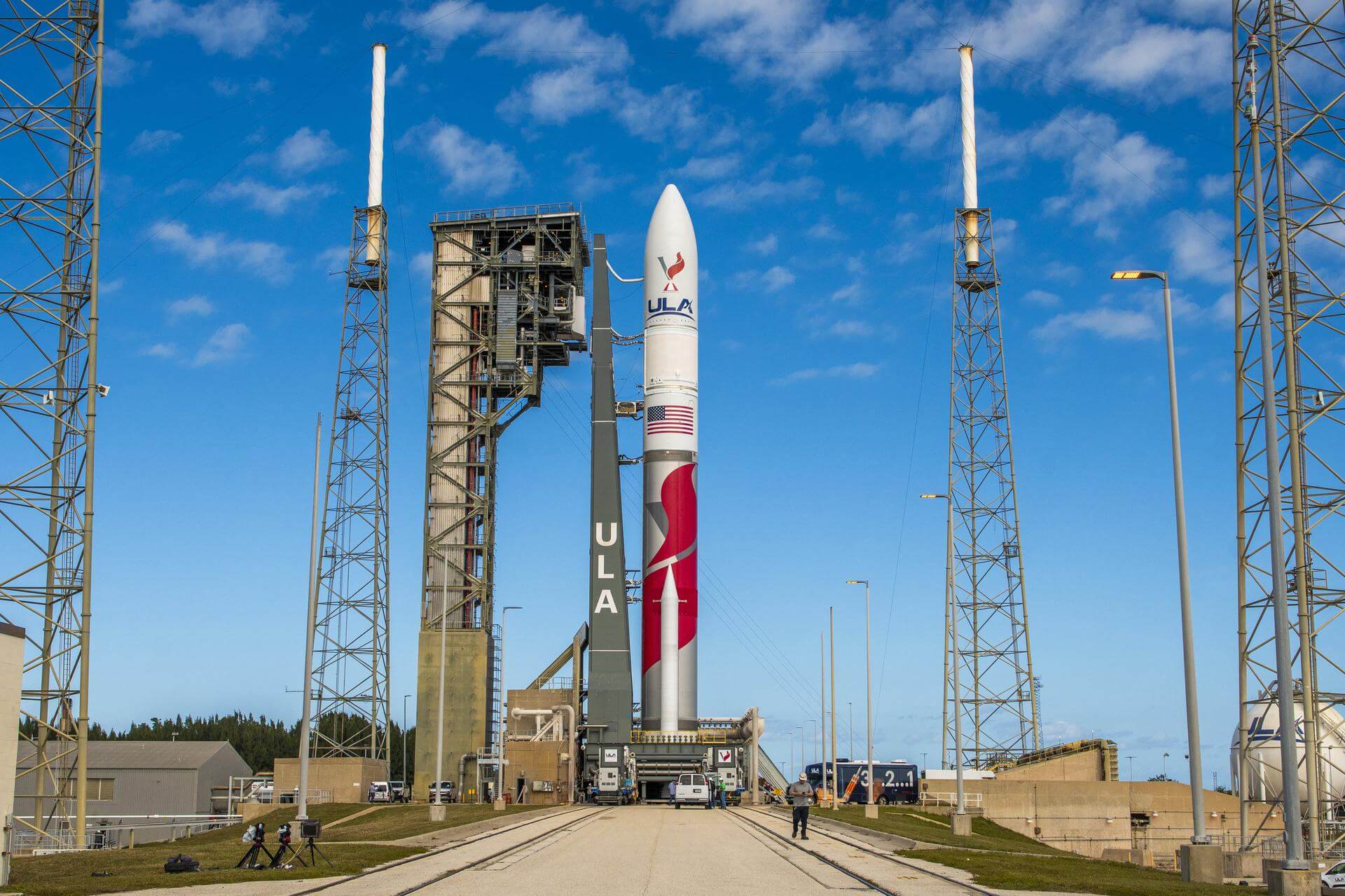
Vulcan | SDA Tranche 1 Tracking Layer E
United Launch Alliance | United States of AmericaVandenberg SFB, CA, USA
Status: To Be Determined
Mission:
Tranche 1 Tracking Layer E is one of five missions by the United States Space Force Space Development Agency (SDA) for the Proliferated Warfighter Space Architecture (PWSA) Tranche 1 Tracking Layer constellation, which will provide global indications, warning, tracking, and targeting of advanced missile threats, including hypersonic missile systems.
Polar OrbitFalcon 9 Block 5 | SDA Tranche 2 Transport Layer F
SpaceX | United States of AmericaVandenberg SFB, CA, USA
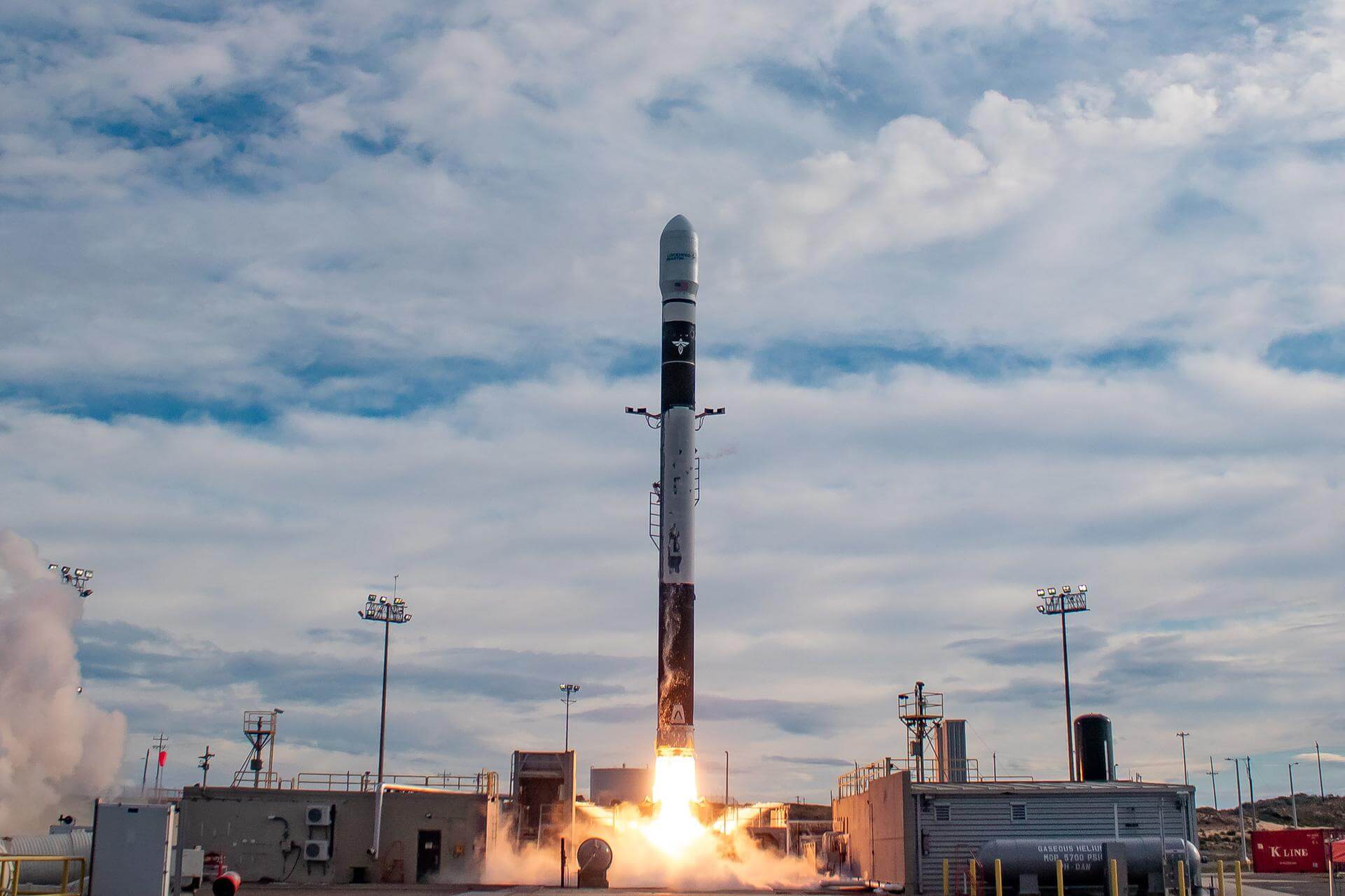
Firefly Alpha Block 2 | QuickSounder
Firefly Aerospace | United States of AmericaVandenberg SFB, CA, USA
Status: To Be Determined
Mission:
QuickSounder is the first satellite mission of the Near Earth Orbit Network (NEON) program of the National Oceanic and Atmospheric Administration (NOAA), which aims to replace the current Joint Polar Satellite System (JPSS) series of polar orbit weather satellites. This pathfinder mission will demonstrate NOAA's ability to launch a small satellite within 3 years, flying a refurbished Advanced Technology Microwave Sounder (ATMS) instrument to polar orbit.
Sun-Synchronous OrbitFalcon 9 Block 5 | Transporter 19 (Dedicated SSO Rideshare)
SpaceX | United States of AmericaVandenberg SFB, CA, USA
Falcon 9 Block 5 | SDA Tranche 2 Transport Layer G
SpaceX | United States of AmericaVandenberg SFB, CA, USA
Falcon 9 Block 5 | WSF-M2 & BLAZE-2 (USSF-178)
SpaceX | United States of AmericaVandenberg SFB, CA, USA
Status: To Be Determined
Mission:
Second Weather System Follow-on (WSF) satellite. WSF-M (Weather System Follow-on - Microwave) is the next-generation operational environmental satellite system for the Department of Defense (DoD), to replace the microwave wavelength weather forecasting capabilities of the DMSP satellites. Ball Aerospace has been selected in late November 2017 to be the prime contractor for 2 Low Earth Orbit (LEO) weather satellites with a passive microwave imaging radiometer instrument and hosted Government furnished energetic charged particle (ECP) sensor space weather payload developed by the Air Force Research Laboratory. The radiometer leverages the Ball-built Global Precipitation Measurement (GPM) Microwave Imager (GMI) instrument. This mission will improve weather forecasting over maritime regions by taking global measurements of the atmosphere and ocean surface. The launch will also include BLAZE-2, a launch opportunity for operational, research, development, and prototype small satellites from across the DoD.
Polar OrbitFalcon 9 Block 5 | SDA Tranche 2 Transport Layer H
SpaceX | United States of AmericaVandenberg SFB, CA, USA
Falcon 9 Block 5 | Transporter 20 (Dedicated SSO Rideshare)
SpaceX | United States of AmericaVandenberg SFB, CA, USA

Minotaur IV | EWS OD-1
Orbital ATK | United States of AmericaVandenberg SFB, CA, USA
Status: To Be Determined
Mission:
The Electro-Optical/Infrared Weather System (EWS) Operational Demonstration-1 (OD-1) is a weather satellite for the United States Space Force. It is a prototype satellite made by General Atomics that will be place in LEO for a three-year demonstration mission of new EO/IR sensor technologies to various US military branches, and to act as a stop-gap for Defense Department needs for weather data.
Sun-Synchronous OrbitLong March 2D
CAS Pathfinder-1
Launch Area 94 (SLS-2 / 603) - Jiuquan Satellite Launch Center, People's Republic of ChinaThe Chinese Academy of Science (CAS)' Pathfinder-1 satellites is built for in-orbit validation of critical technologies for the upcoming main mission…
Long March 12
SatNet LEO Group 29
Commercial LC-2 - Wenchang Space Launch Site, People's Republic of ChinaA batch of 9 Low Earth Orbit communication satellites for the Chinese state owned SatNet constellation operated by the China Satellite Network Group.…
Soyuz 2.1b/Fregat-M
Glonass-K1? (Kosmos 2621?)
43/3 (43L) - Plesetsk Cosmodrome, Russian FederationNote: Payload identity uncertain. Glonass-K are the third generation of satellite design for GLONASS satellite navigation system. GLONASS is a Rus…
Falcon 9
USSF-432
Space Launch Complex 4E - Vandenberg SFB, CA, USAA classified mission for the United States Space Force. It is possibly a batch of classified LEO satellites based on SpaceX’s Starshield satellite bu…
Ceres-2
4 satellites
Launch Area 95A - Jiuquan Satellite Launch Center, People's Republic of ChinaShare-ride of 4 commercial Earth observation and technology demonstration satellites to SSO, details TBD.
Long March 2C
Yaogan 51-07 to 09
Launch Complex 3 (LC-3/LA-1) - Xichang Satellite Launch Center, People's Republic of China3 Chinese military “remote sensing” satellite of unknown purposes.
Kinetica 2
SpaceSail Polar Group #17
Launch Area 140 - Jiuquan Satellite Launch Center, People's Republic of China18 Low Earth Orbit communication satellites with Ku, Q and V band payloads for the G60 constellation operated by Shanghai Spacesail Technologies with…
Electron
The Sea God Surveys (iQPS Launch 9)
Rocket Lab Launch Complex 1A - Rocket Lab Launch Complex 1, Mahia Peninsula, New ZealandSynthetic aperture radar Earth observation satellite for Japanese Earth imaging company iQPS.
Falcon 9
Starlink Group 15-18
Space Launch Complex 4E - Vandenberg SFB, CA, USAA batch of 27 satellites for the Starlink mega-constellation - SpaceX's project for space-based Internet communication system.
GSLV Mk II
IRNSS-1L (NVS-03)
Satish Dhawan Space Centre Second Launch Pad - Satish Dhawan Space Centre, IndiaThis is a replacement satellite for the Indian Regional Navigation Satellite System. The constellation will provide India with an alternative to GPS …