Previous Spaceflight Launches

Filter by Agency, Locations or Vehicles

Show All Launches
Full Launch History

View all launches available - including launches from the past and utilize powerful search filters.

Electron | Happily Ever Faster (BlackSky Gen-3 5)

Rocket Lab | United States of America
Rocket Lab Launch Complex 1, Mahia Peninsula, New Zealand
Status: Launch Successful
Mission:

Note: Payload and customer identities were not publicly announced. 5th of the BlackSky Gen-3 high resolution Earth-imaging satellites.

Low Earth Orbit
Explore Share

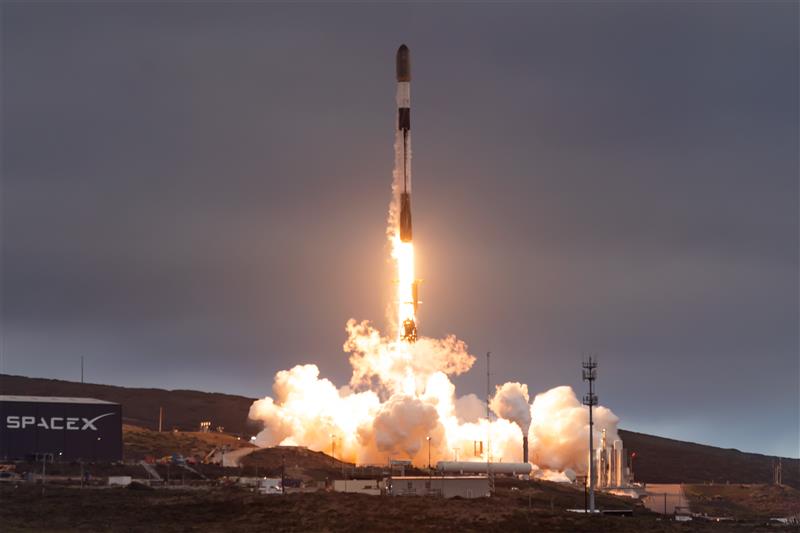
Falcon 9 Block 5 | USSF-153

SpaceX | United States of America
Vandenberg SFB, CA, USA
Status: Launch Successful
Mission:

USSF-153 is a classified mission for the United States Space Force. It is possibly a batch of classified LEO satellites based on SpaceX’s Starshield satellite bus, based on locations of rocket stage drop zones being exact fits with previous Starlink Group 15 launches.

Low Earth Orbit B1081 - Flight Proven ( ) Of Course I Still Love You
Explore Share

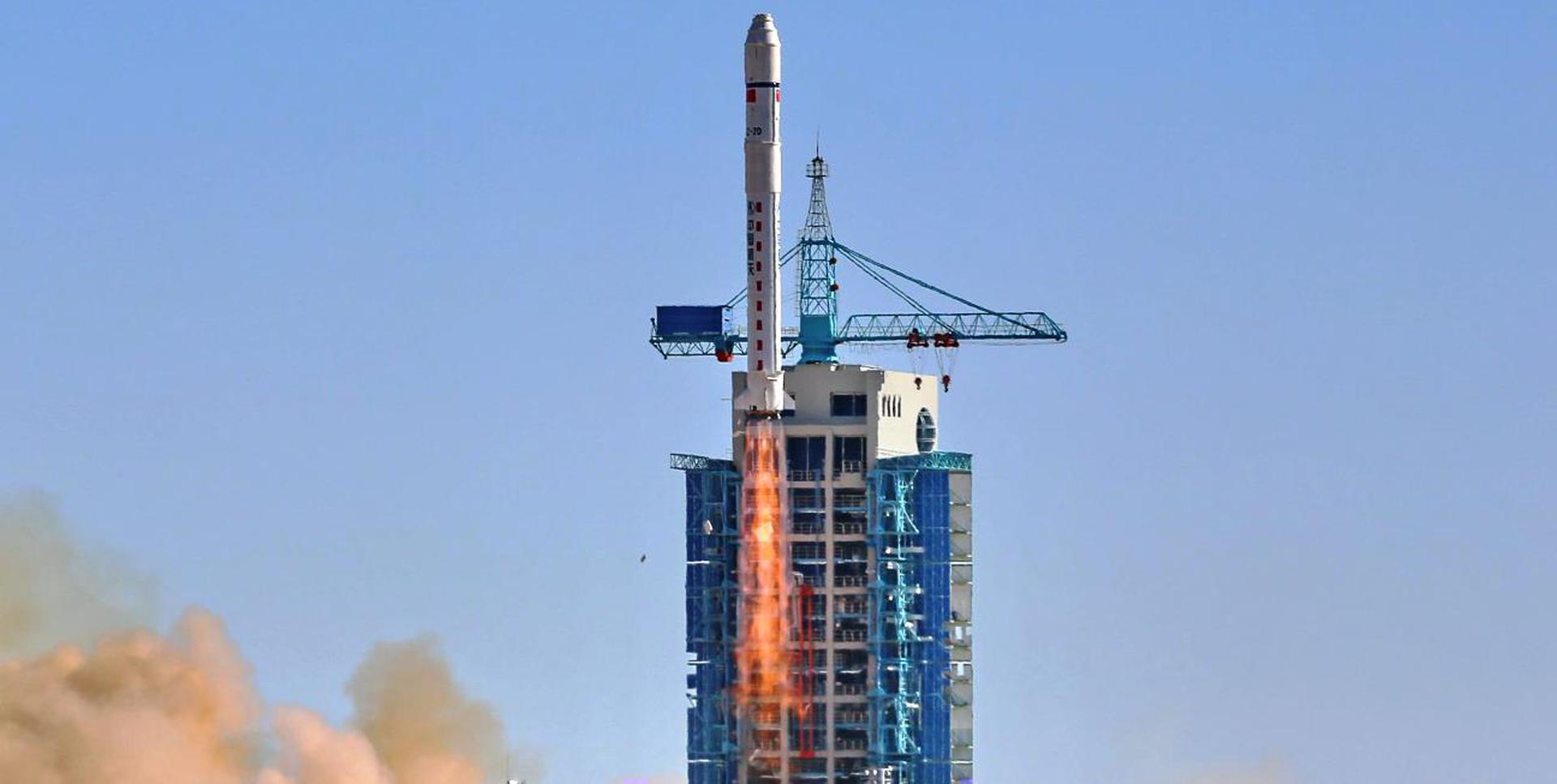
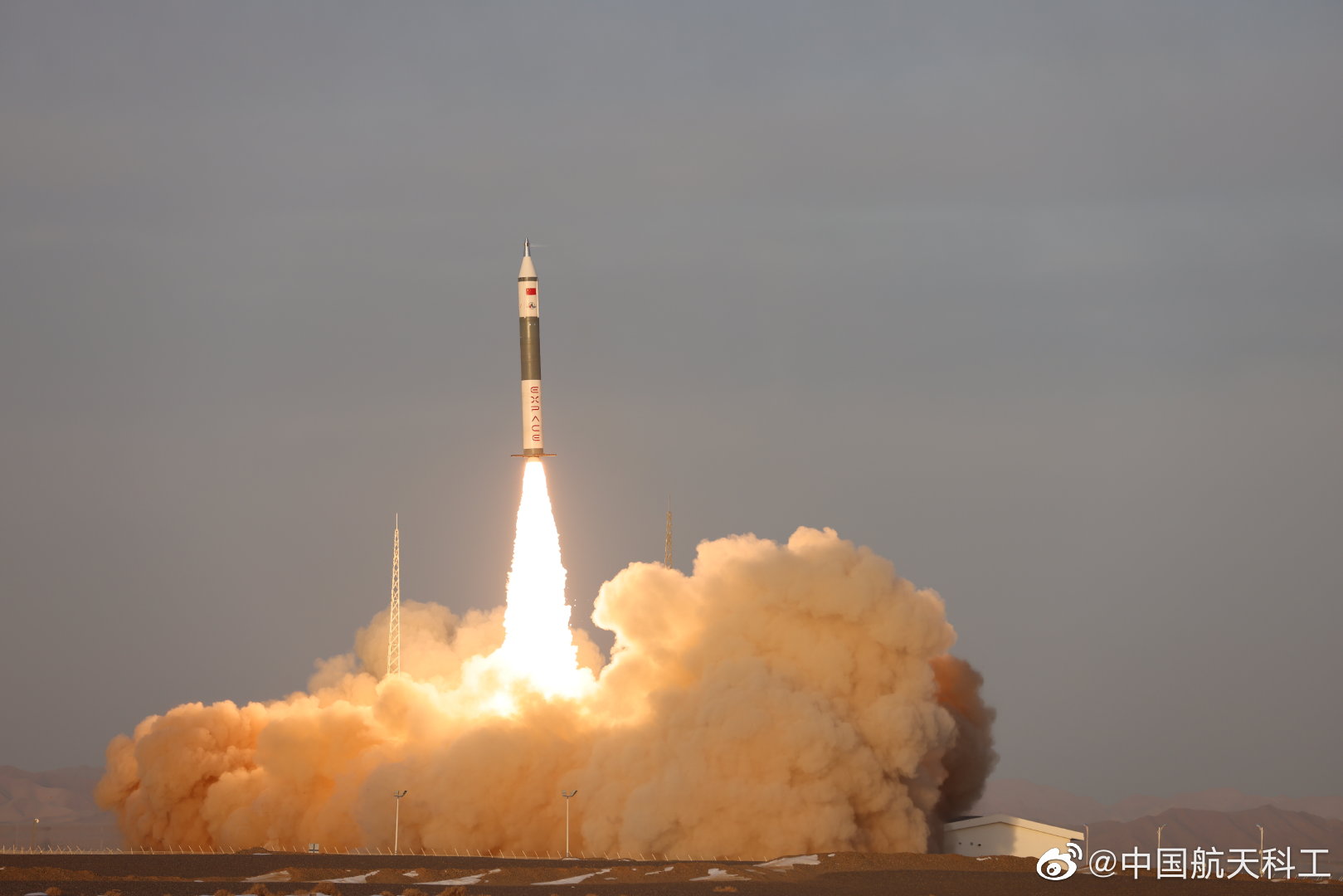
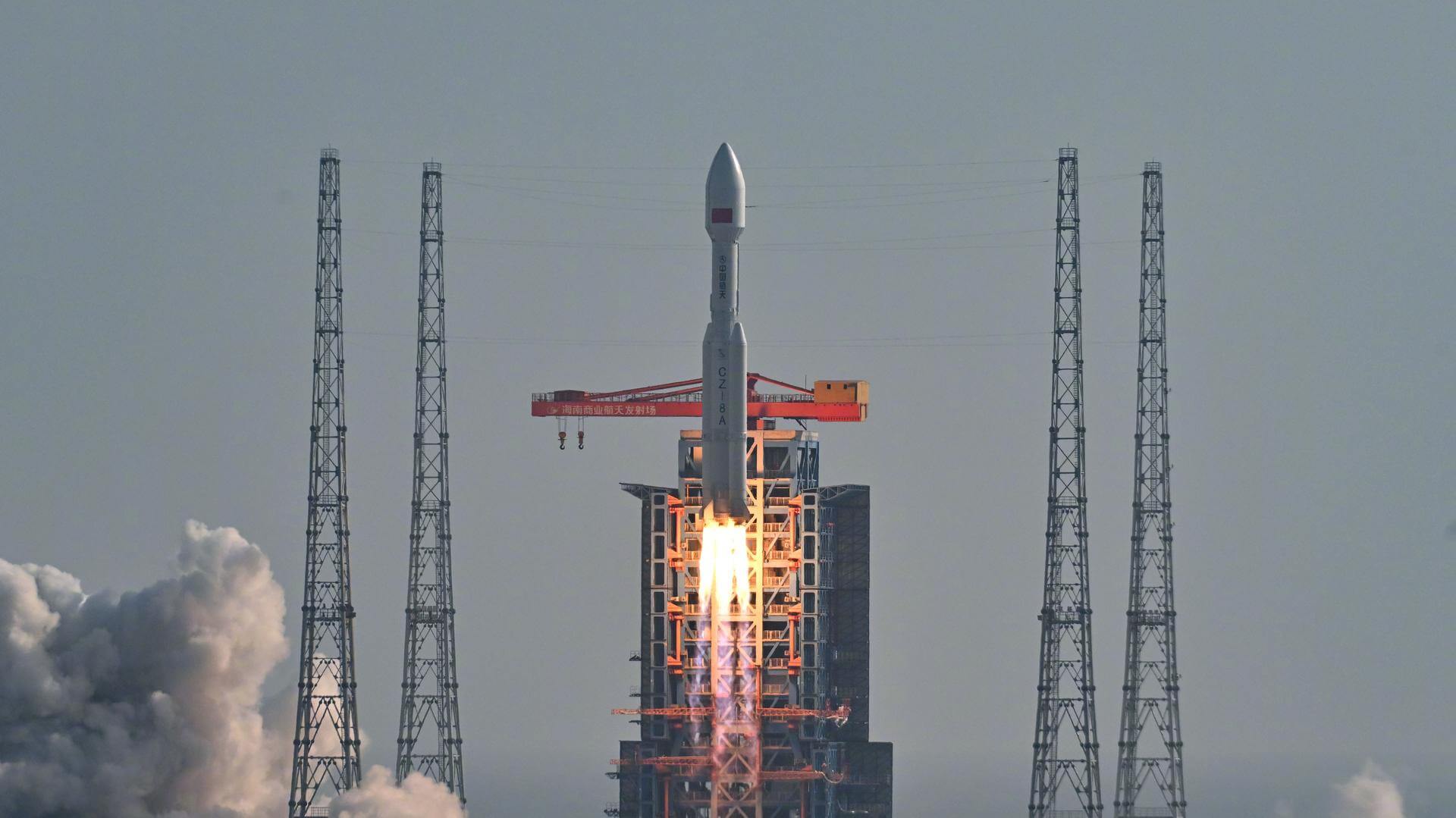
Long March 4B | Yaogan 53-01 to 03/56-01 to 03

China Aerospace Science and Technology Corporation | China
Jiuquan Satellite Launch Center, People's Republic of China
Status: Launch Successful
Mission:

6 Chinese military “remote sensing” satellite of unknown purposes.

Low Earth Orbit
Explore Share

Falcon 9 Block 5 | Starlink Group 15-24

SpaceX | United States of America
Vandenberg SFB, CA, USA
Status: Launch Successful
Mission:

A batch of 27 satellites for the Starlink mega-constellation - SpaceX's project for space-based Internet communication system.

Low Earth Orbit B1088 - Flight Proven ( ) Of Course I Still Love You
Explore Share

Spectrum | Onward and Upward

Isar Aerospace | Germany
Andøya Spaceport
Status: Launch Successful
Mission:

Second test flight of the Isar Spectrum launch vehicle. This launch will carry 5 cubesats and 1 non-separable experiment as part of European Space Agency (ESA)'s “Boost!” program: * CyBEEsat (TU Berlin) * TriSat-S (University of Maribor) * Platform 6 (EnduroSat) * FramSat-1 (NTNU) * SpaceTeamSat1 (TU Wien Space Team) * Let It Go (Dcubed, non-separable experiment)

Sun-Synchronous Orbit
Explore Share

GSLV Mk II | GISAT-1A (EOS-05)

Indian Space Research Organization | India
Satish Dhawan Space Centre, India
Status: Launch Successful
Mission:

GISAT-1A (GEO Imaging Satellite) is an Indian earth observing satellite operating from geostationary orbit to facilitate continuous observation of Indian sub-continent, quick monitoring of natural hazards and disaster. EOS-05/GISAT-1A will replace EOS-03/GISAT-1 lost in launch failure in 2021.

Geostationary Transfer Orbit
Explore Share

Electron | Owl Around The World (StriX Launch 11)

Rocket Lab | United States of America
Rocket Lab Launch Complex 1, Mahia Peninsula, New Zealand
Status: Launch Successful
Mission:

Synthetic aperture radar satellite for Japanese Earth imaging company Synspective.

Low Earth Orbit
Explore Share

Falcon 9 Block 5 | Starlink Group 15-23

SpaceX | United States of America
Vandenberg SFB, CA, USA
Status: Launch Successful
Mission:

A batch of 27 satellites for the Starlink mega-constellation - SpaceX's project for space-based Internet communication system.

Low Earth Orbit B1063 - Flight Proven ( ) Of Course I Still Love You
Explore Share

Pallas-1 | Demo Flight

Galactic Energy | China
Jiuquan Satellite Launch Center, People's Republic of China
Status: Launch Successful
Mission:

First test launch of Galactic Energy’s Pallas-1 rocket, with a dummy payload on board.

Sun-Synchronous Orbit Pallas1 F1 - Maiden Flight Unknown
Explore Share

Falcon Heavy | Nancy Grace Roman Space Telescope

SpaceX | United States of America
Kennedy Space Center, FL, USA
Status: Launch Successful
Mission:

The Nancy Grace Roman Space Telescope is a NASA infrared space telescope with a 2.4 m (7.9 ft) wide field of view primary mirror and two scientific instruments. The Wide-Field Instrument (WFI) is a 300.8-megapixel multi-band visible and near-infrared camera, providing a sharpness of images comparable to that achieved by the Hubble Space Telescope over a 0.28 square degree field of view, 100 times larger than imaging cameras on the Hubble. The Coronagraphic Instrument (CGI) is a high-contrast, small field of view camera and spectrometer covering visible and near-infrared wavelengths using novel starlight-suppression technology. Roman objectives include a search for extra-solar planets using gravitational microlensing, and probing the expansion history of the Universe and the growth of cosmic structure, with the goal of measuring the effects of dark energy, the consistency of general relativity, and the curvature of spacetime.

Sun-Earth L2 B1072 - Flight Proven ( ) Landing Zone 2 B1104 - Maiden Flight Landing Zone 40 B1105 - Maiden Flight Atlantic Ocean
Explore Share