Previous Spaceflight Launches
Filter by Agency, Locations or Vehicles
Show All Launches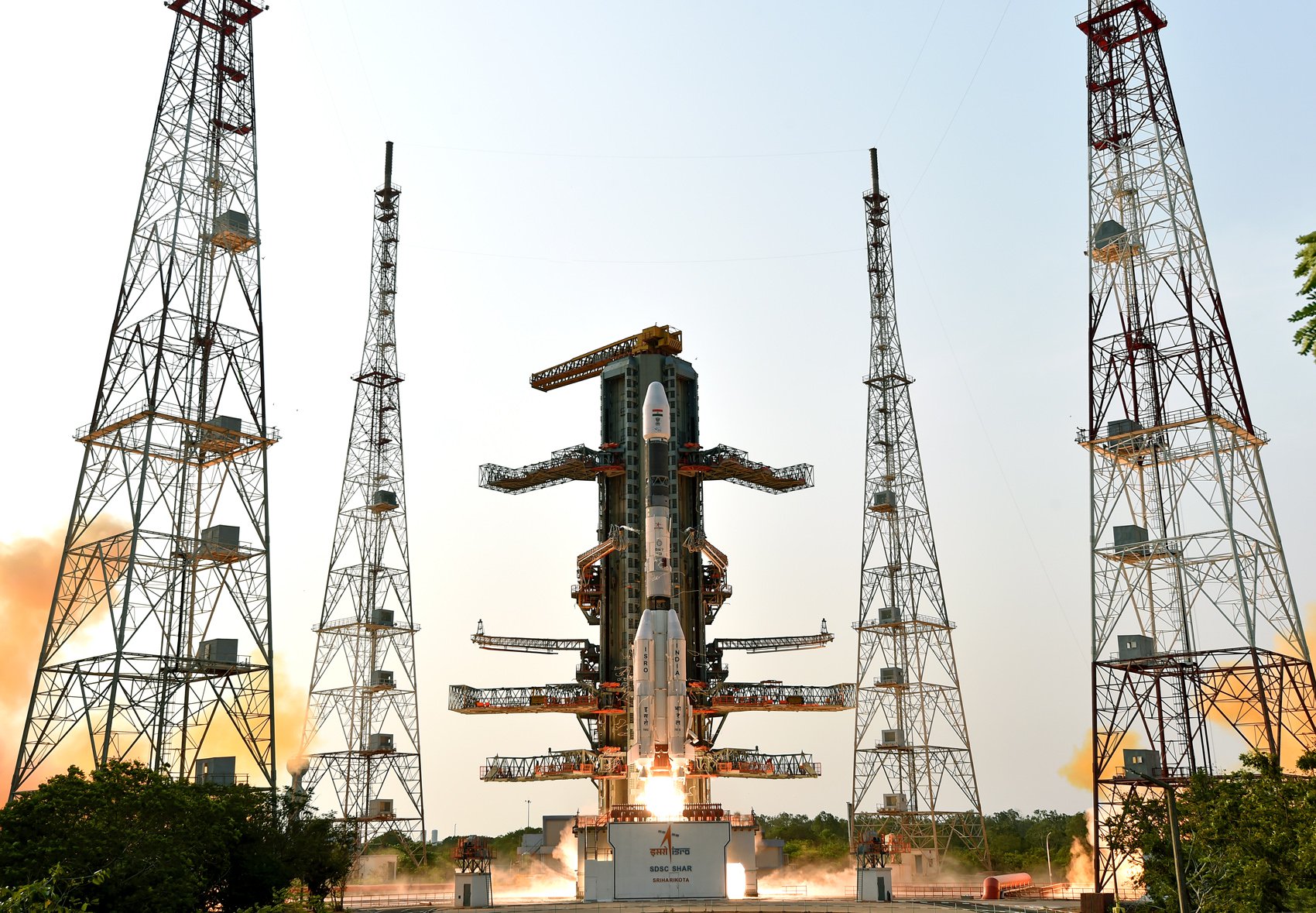
GSLV Mk II | GISAT-1A (EOS-05)
Indian Space Research Organization | IndiaSatish Dhawan Space Centre, India
Status: Launch Successful
Mission:
GISAT-1A (GEO Imaging Satellite) is an Indian earth observing satellite operating from geostationary orbit to facilitate continuous observation of Indian sub-continent, quick monitoring of natural hazards and disaster. EOS-05/GISAT-1A will replace EOS-03/GISAT-1 lost in launch failure in 2021.
Geostationary Transfer Orbit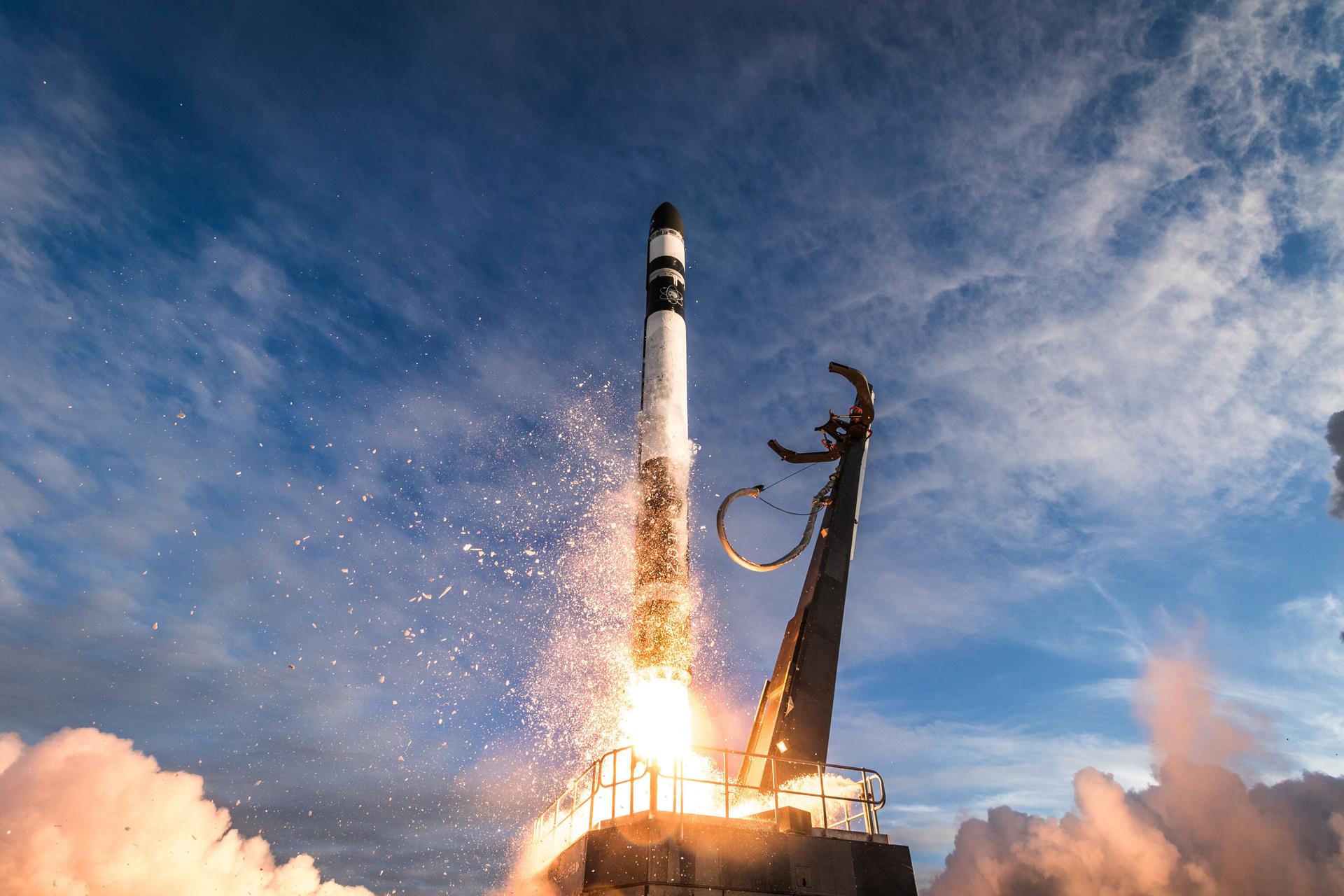
Electron | Owl Around The World (StriX Launch 11)
Rocket Lab | United States of AmericaRocket Lab Launch Complex 1, Mahia Peninsula, New Zealand

Falcon 9 Block 5 | Starlink Group 15-23
SpaceX | United States of AmericaVandenberg SFB, CA, USA
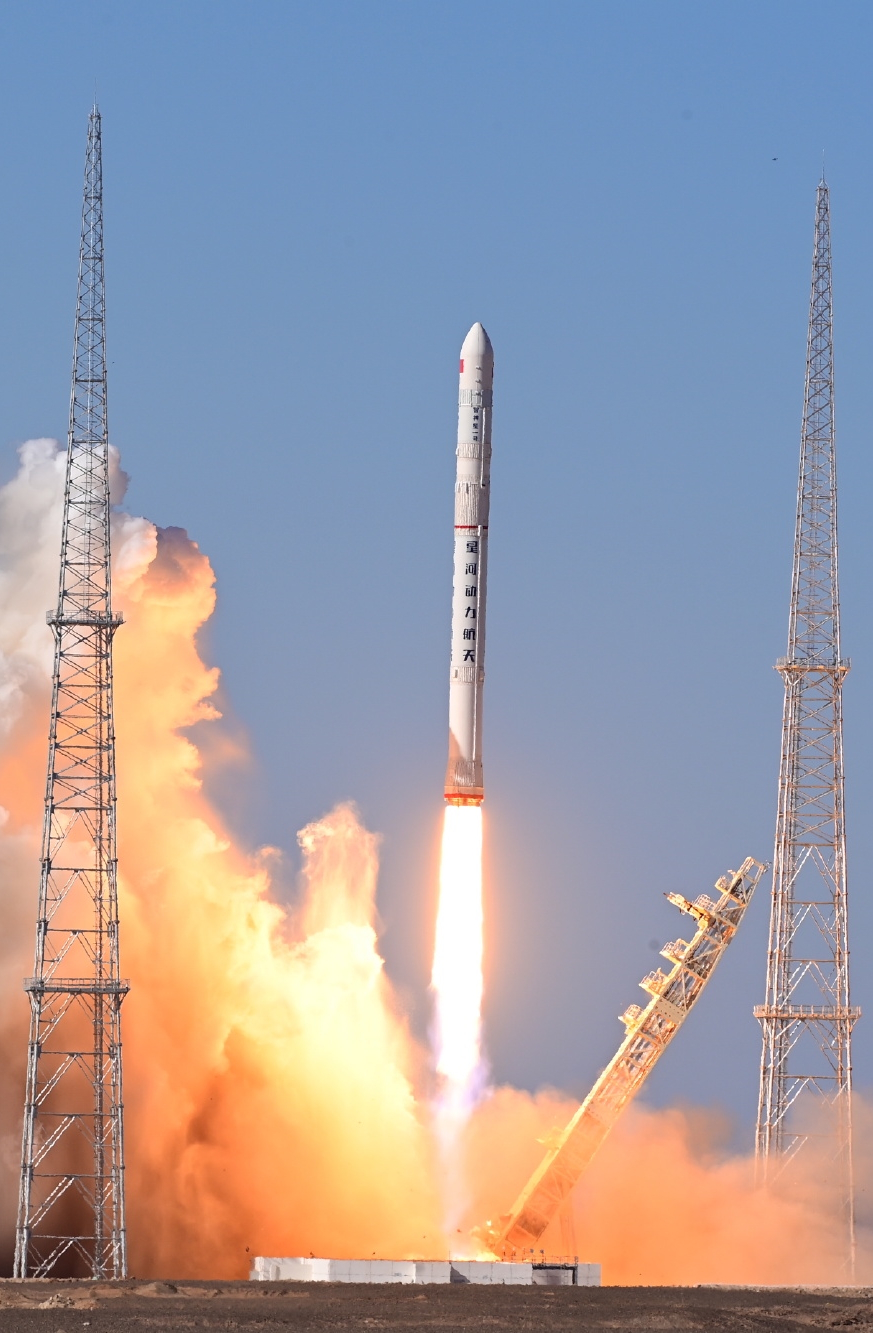
Pallas-1 | Demo Flight
Galactic Energy | ChinaJiuquan Satellite Launch Center, People's Republic of China
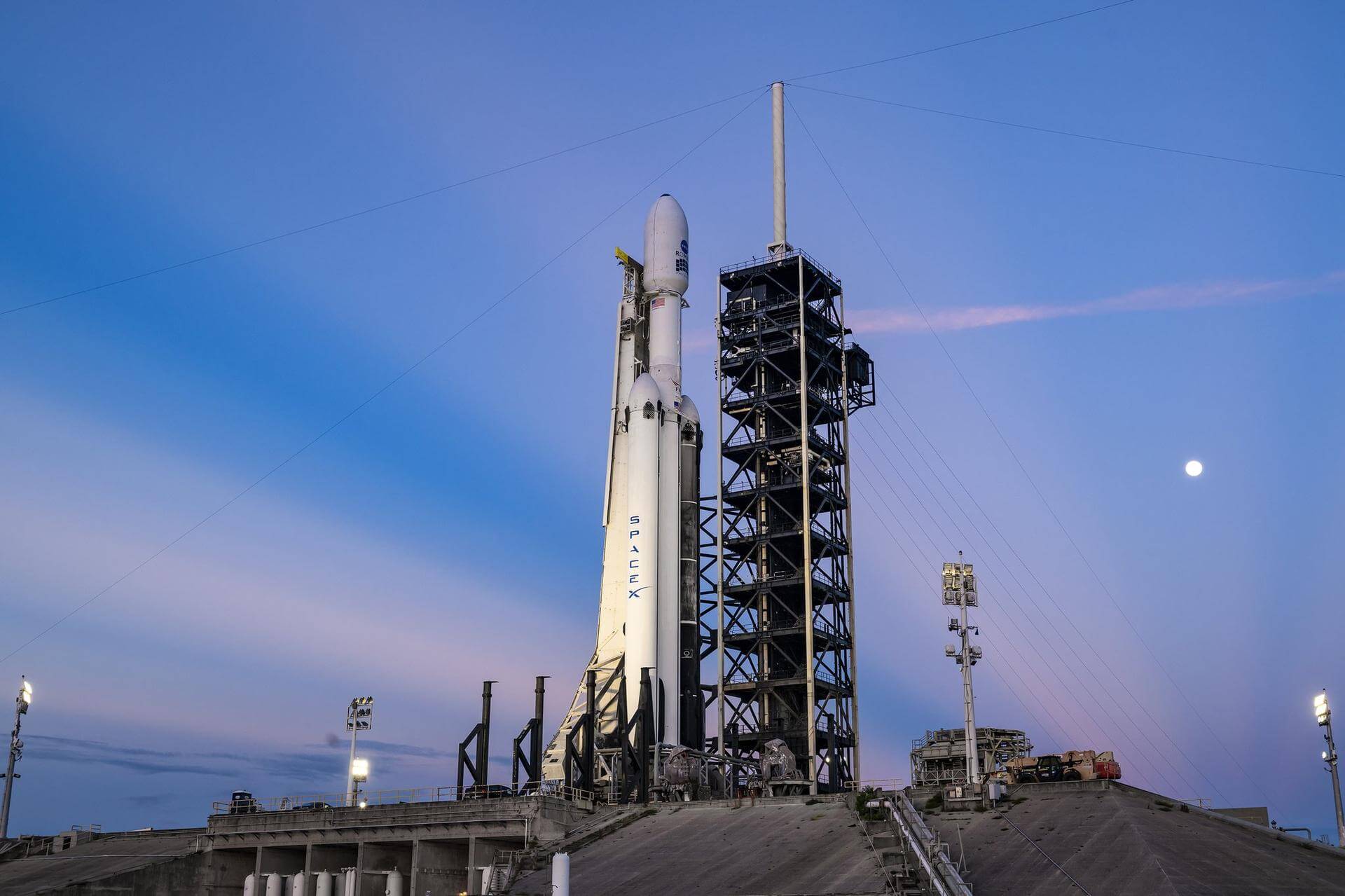
Falcon Heavy | Nancy Grace Roman Space Telescope
SpaceX | United States of AmericaKennedy Space Center, FL, USA
Status: Launch Successful
Mission:
The Nancy Grace Roman Space Telescope is a NASA infrared space telescope with a 2.4 m (7.9 ft) wide field of view primary mirror and two scientific instruments. The Wide-Field Instrument (WFI) is a 300.8-megapixel multi-band visible and near-infrared camera, providing a sharpness of images comparable to that achieved by the Hubble Space Telescope over a 0.28 square degree field of view, 100 times larger than imaging cameras on the Hubble. The Coronagraphic Instrument (CGI) is a high-contrast, small field of view camera and spectrometer covering visible and near-infrared wavelengths using novel starlight-suppression technology. Roman objectives include a search for extra-solar planets using gravitational microlensing, and probing the expansion history of the Universe and the growth of cosmic structure, with the goal of measuring the effects of dark energy, the consistency of general relativity, and the curvature of spacetime.
Sun-Earth L2 B1104 - Maiden Flight Landing Zone 40 B1072 - Flight Proven ( ) Landing Zone 2 B1105 - Maiden Flight Atlantic Ocean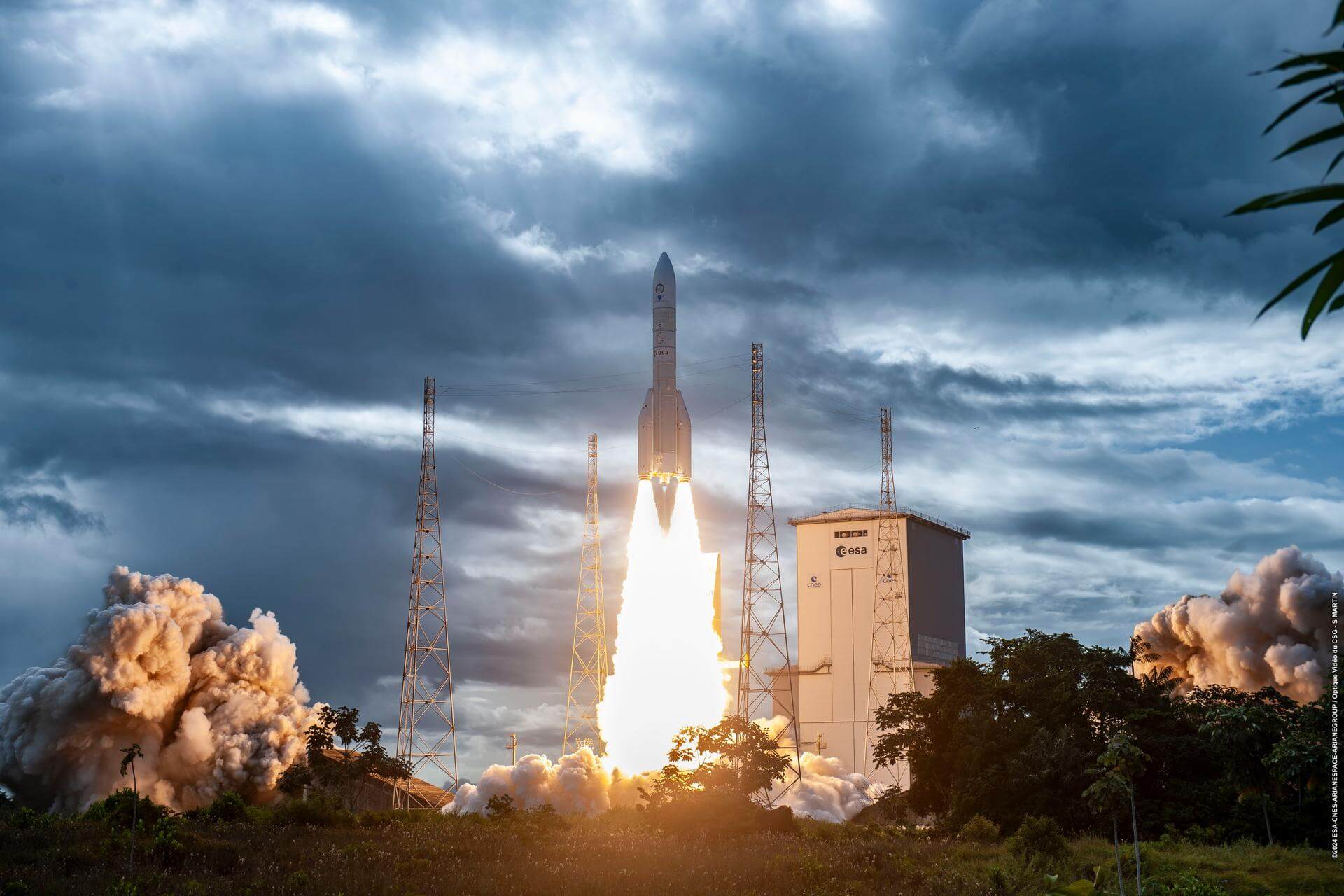
Ariane 62 | MTG-I2
ArianeGroup | FranceGuiana Space Centre, French Guiana
Falcon 9 Block 5 | Starlink Group 15-22
SpaceX | United States of AmericaVandenberg SFB, CA, USA
Falcon 9 Block 5 | Starlink Group 10-49
SpaceX | United States of AmericaCape Canaveral SFS, FL, USA
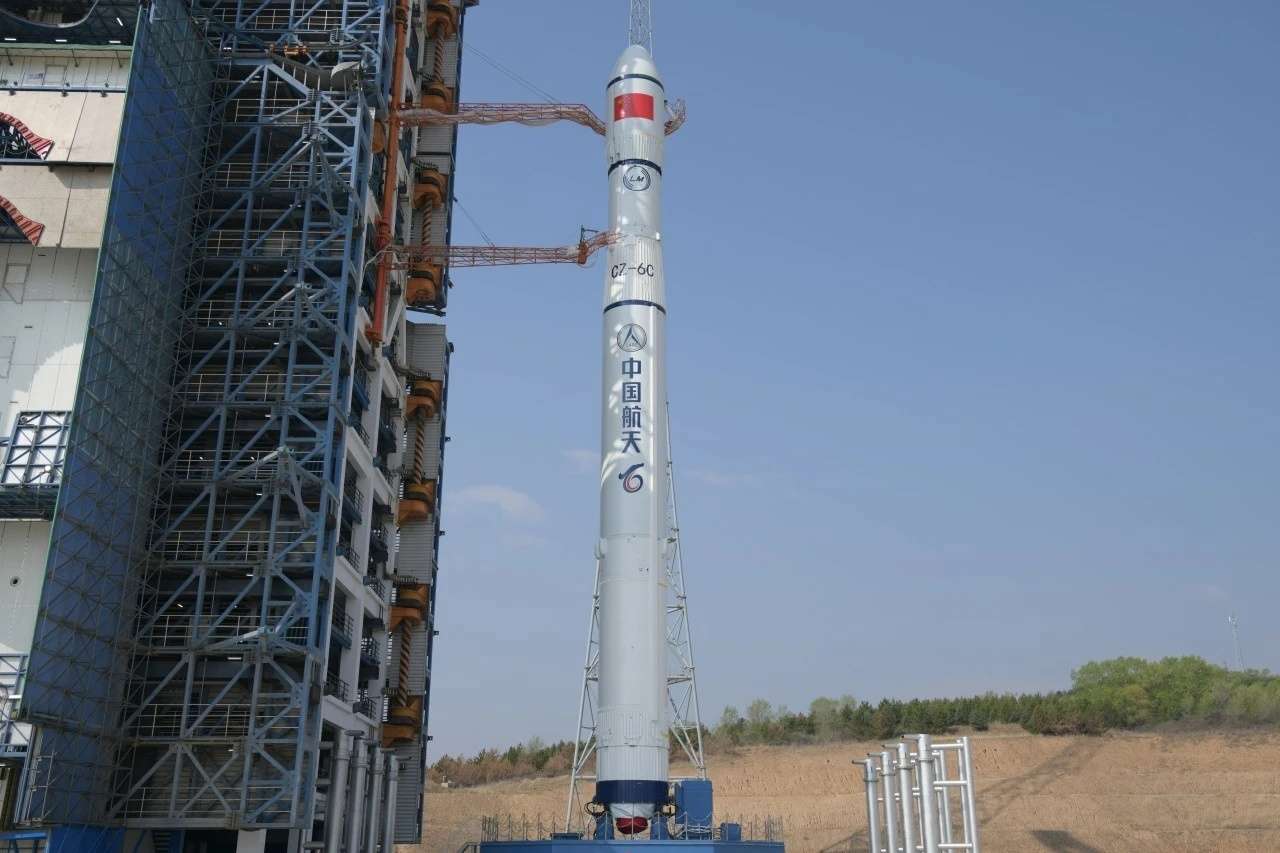
Long March 6C | 7 satellites
China Aerospace Science and Technology Corporation | ChinaTaiyuan Satellite Launch Center, People's Republic of China
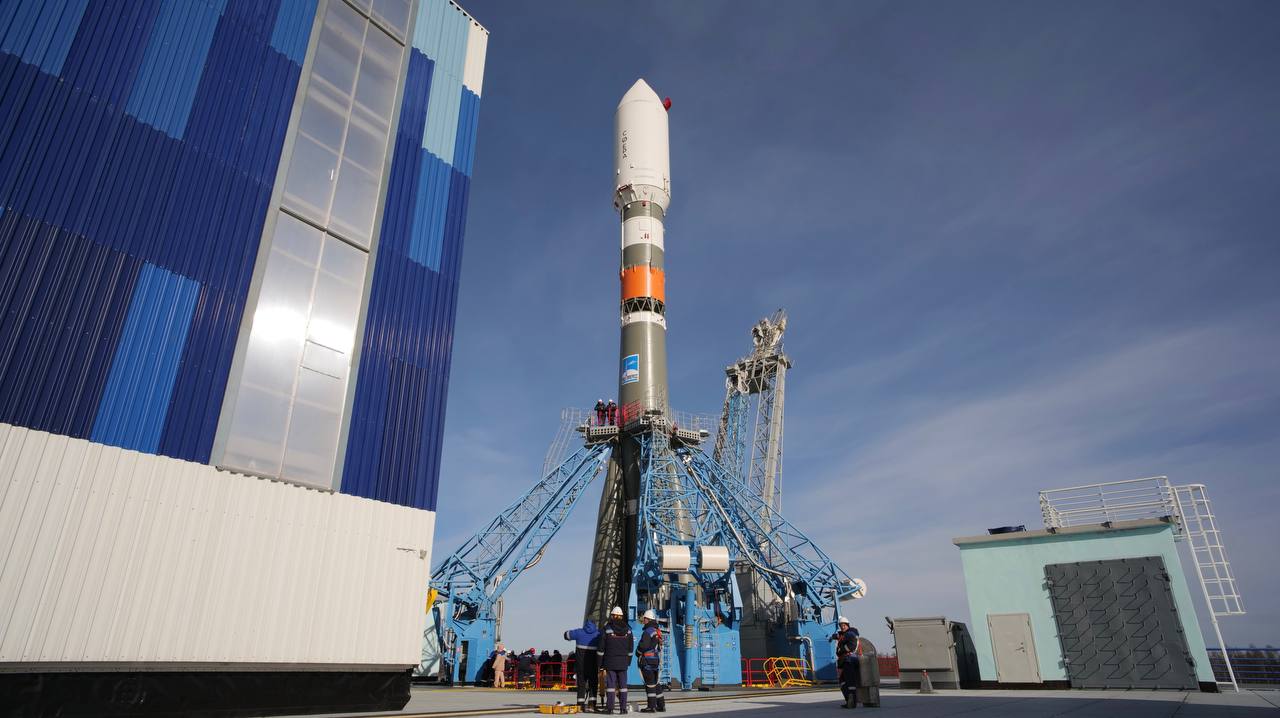
Soyuz 2.1b/Fregat | Glonass-K1 No. 23 (Kosmos 2619)
Progress Rocket Space Center | RussiaPlesetsk Cosmodrome, Russian Federation
Status: Launch Successful
Mission:
Glonass-K are the third generation of satellite design for GLONASS satellite navigation system. GLONASS is a Russian space-based navigation system comparable to the similar GPS and Galileo systems. This generation improves on accuracy, power consumption and design life. Each satellite is unpressurized and weighs 935 kg, and has an operational lifetime of 10 years.
Medium Earth Orbit
