Previous Spaceflight Launches
Filter by Agency, Locations or Vehicles
Show All Launches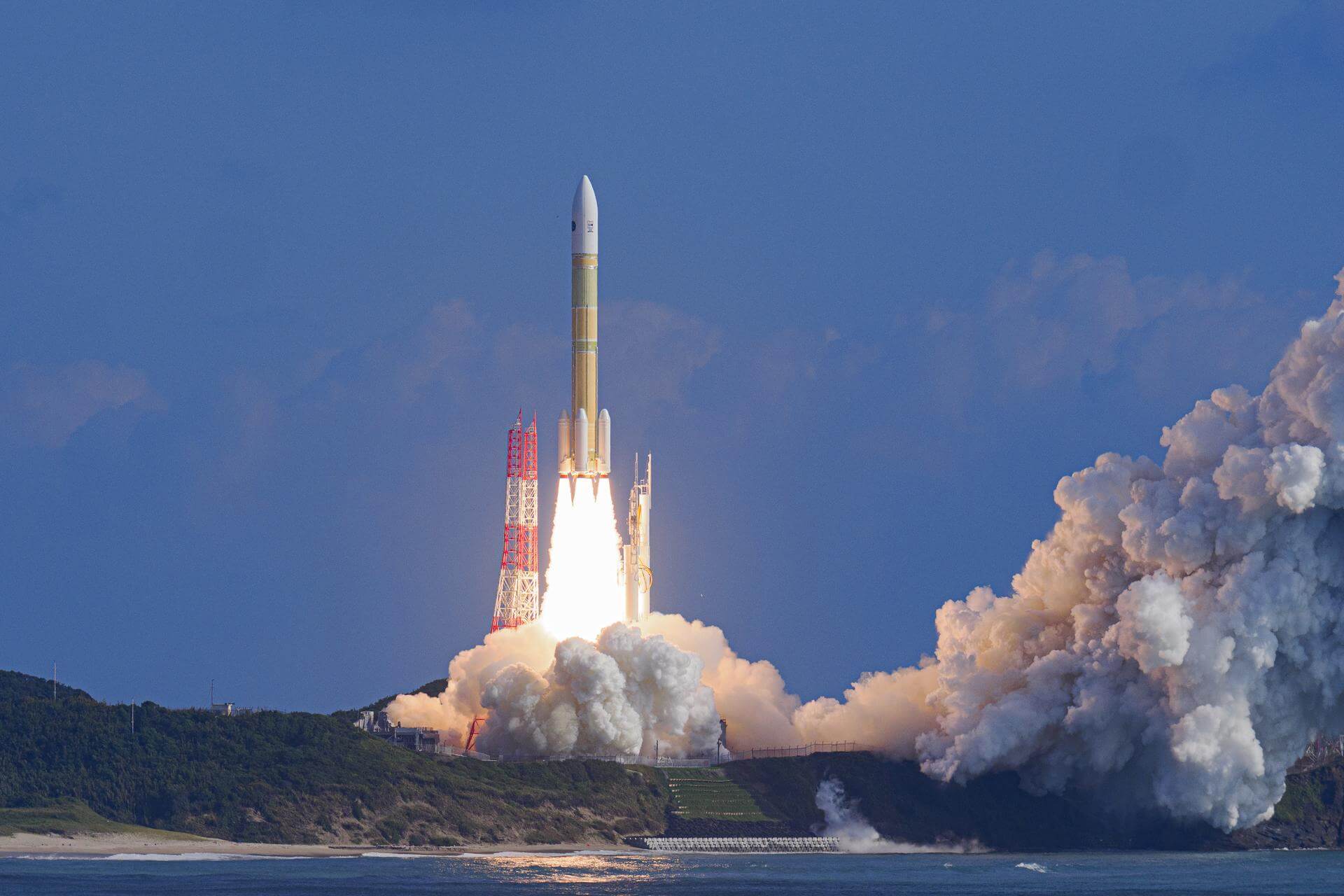
H3-24 | Martian Moons eXploration (MMX)
Mitsubishi Heavy Industries | JapanTanegashima Space Center, Japan
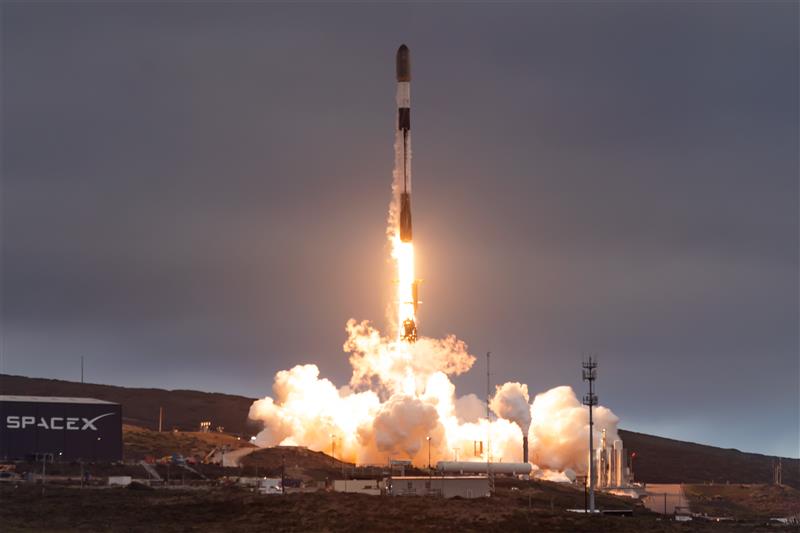
Falcon 9 Block 5 | USSF-481
SpaceX | United States of AmericaVandenberg SFB, CA, USA
Status: Launch Successful
Mission:
A classified mission for the United States Space Force. It is possibly a batch of classified LEO satellites based on SpaceX’s Starshield satellite bus, based on locations of ascent rocket stage drop zones being fits with previous SDA Transport Layer launches.
Polar Orbit B1081 - Flight Proven ( ) Of Course I Still Love You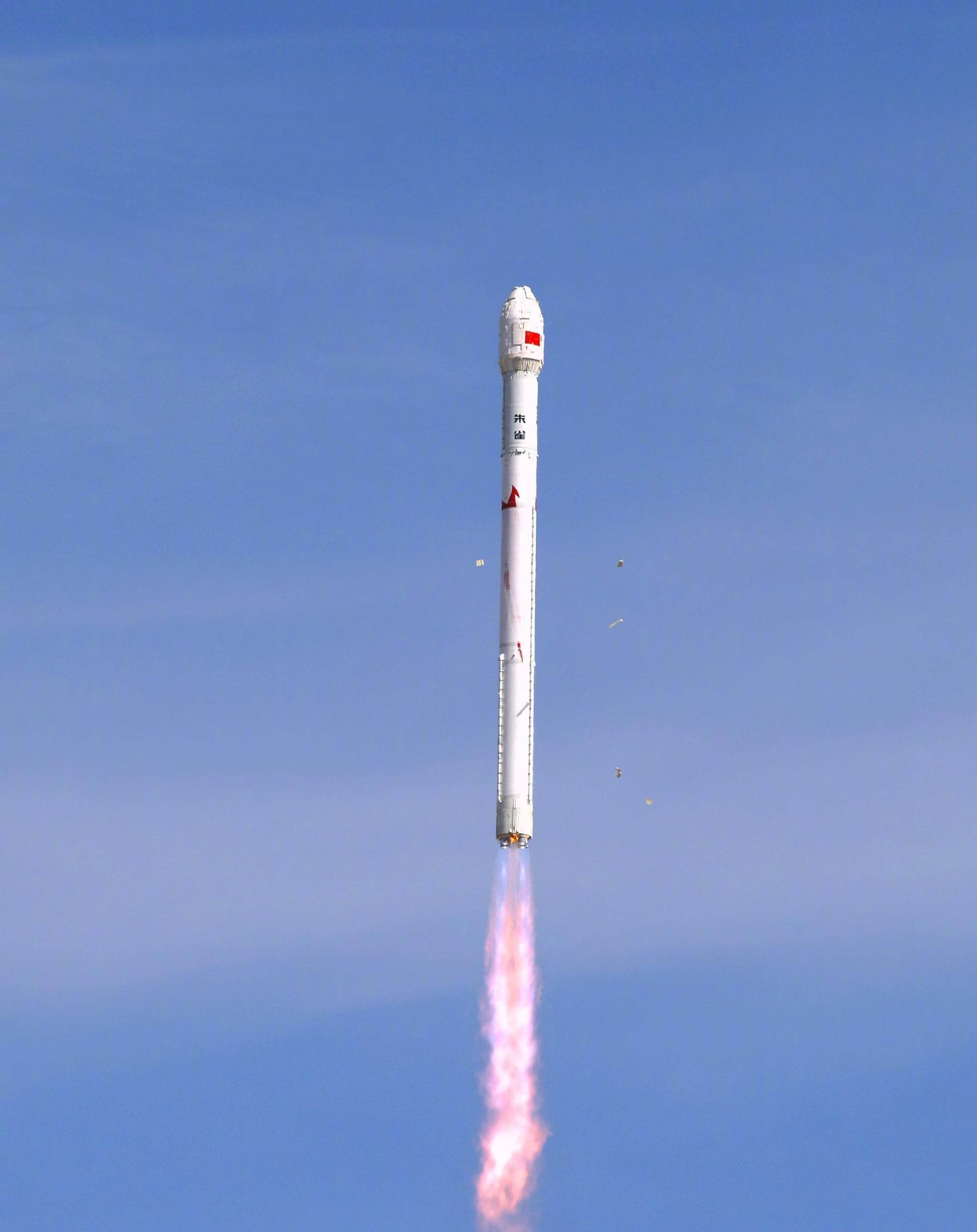
Zhuque-2E Block 2 | 10 satellites
LandSpace | ChinaJiuquan Satellite Launch Center, People's Republic of China
Status: Launch Successful
Mission:
Ride-share of 10 satellites to sun-synchronous orbit, including: * Guangchuan-03 & 04 (LT-03/04) from LandSpace's subsidiary LandTower for testing and demonstrating LEO communication satellite constellation technologies, including high-speed laser communication nodes/terminals and new-type solar array power systems. * 8 satellites (XSD-39 and XSD-44 through XSD-50) for ADA Space for technology verification of high-performance on-board computing modules, inter-satellite/satellite-to-ground laser communication, and testing of large radiator wings.
Sun-Synchronous Orbit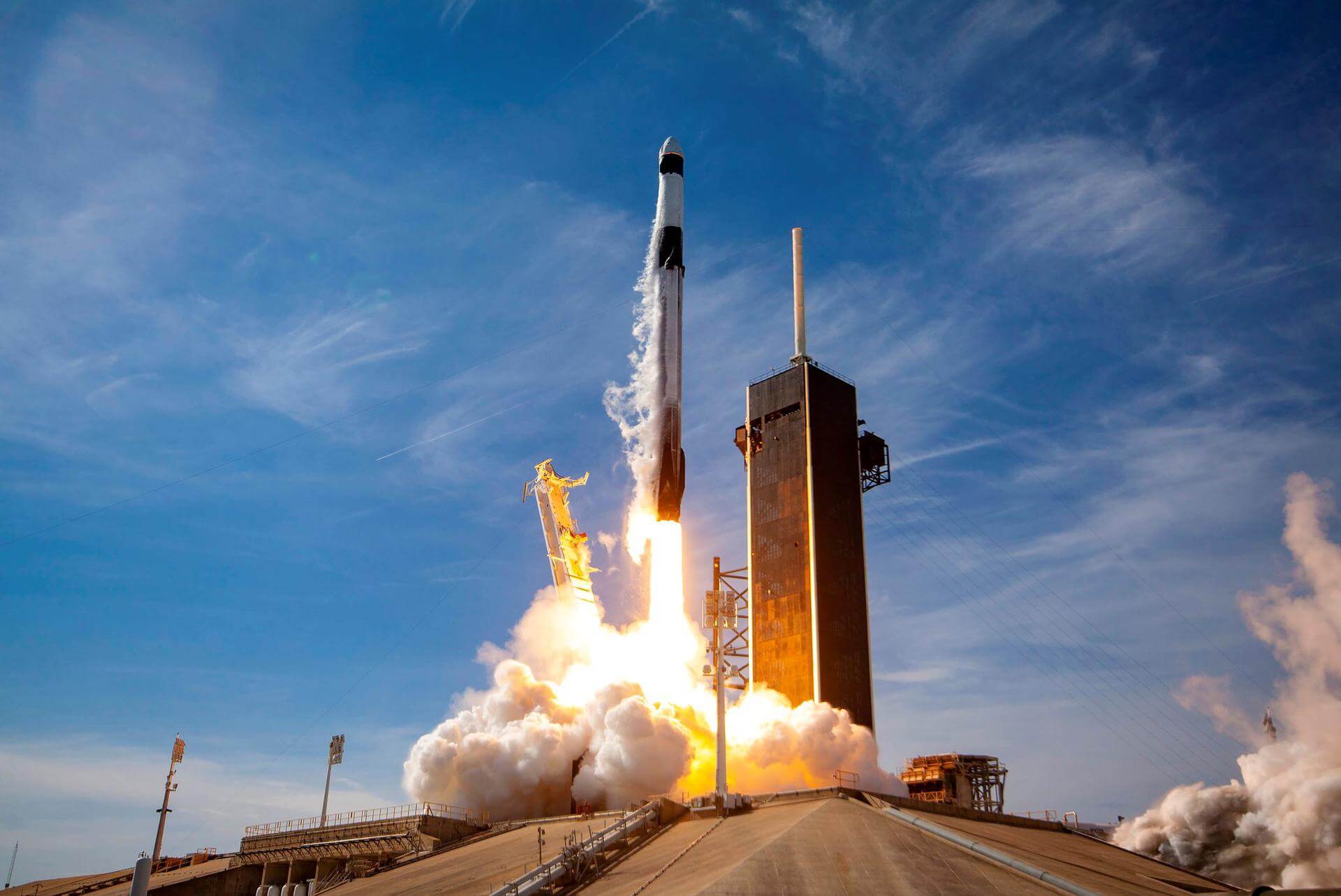
Falcon 9 Block 5 | Dragon CRS-2 SpX-35
SpaceX | United States of AmericaCape Canaveral SFS, FL, USA
Status: Launch Successful
Mission:
35th commercial resupply services mission to the International Space Station operated by SpaceX. The flight will be conducted under the second Commercial Resupply Services contract with NASA. Cargo Dragon 2 brings supplies and payloads, including critical materials to directly support science and research investigations that occur onboard the orbiting laboratory.
Low Earth Orbit B1096 - Flight Proven ( ) Landing Zone 40
Falcon 9 Block 5 | Starlink Group 15-25
SpaceX | United States of AmericaVandenberg SFB, CA, USA

Falcon 9 Block 5 | SDA Tranche 1 Transport Layer A
SpaceX | United States of AmericaVandenberg SFB, CA, USA
Status: Launch Successful
Mission:
Tranche 1 Transport Layer A is one of six missions by the United States Space Force Space Development Agency (SDA) for the Proliferated Warfighter Space Architecture (PWSA) Tranche 1 Transport Layer constellation, which will provide assured, resilient, low-latency military data and connectivity worldwide to the full range of warfighter platforms from Low Earth Orbit satellites. The constellation will be interconnected with Optical Inter-Satellite Links (OISLs) which have significantly increased performance over existing radio frequency crosslinks. It is expected to operate over Ka band, have stereo coverage and be dynamically networked for simpler hand-offs, greater bandwidth and fault tolerance. This launch carries 21 satellites manufactured by Northrop Grumman.
Polar Orbit B1103 - Flight Proven ( ) Landing Zone 4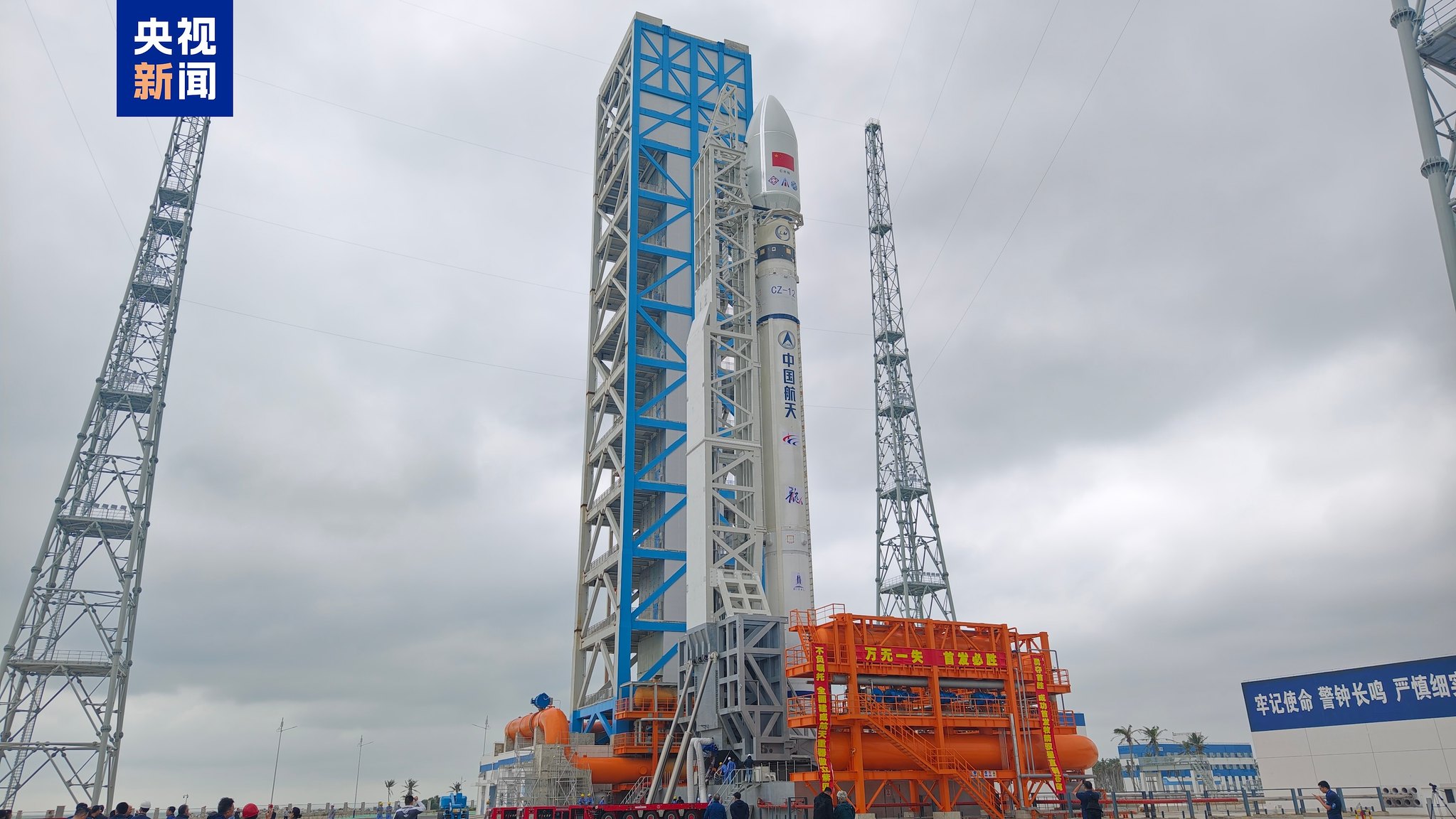
Long March 12 | SatNet LEO Group 27
China Aerospace Science and Technology Corporation | ChinaWenchang Space Launch Site, People's Republic of China
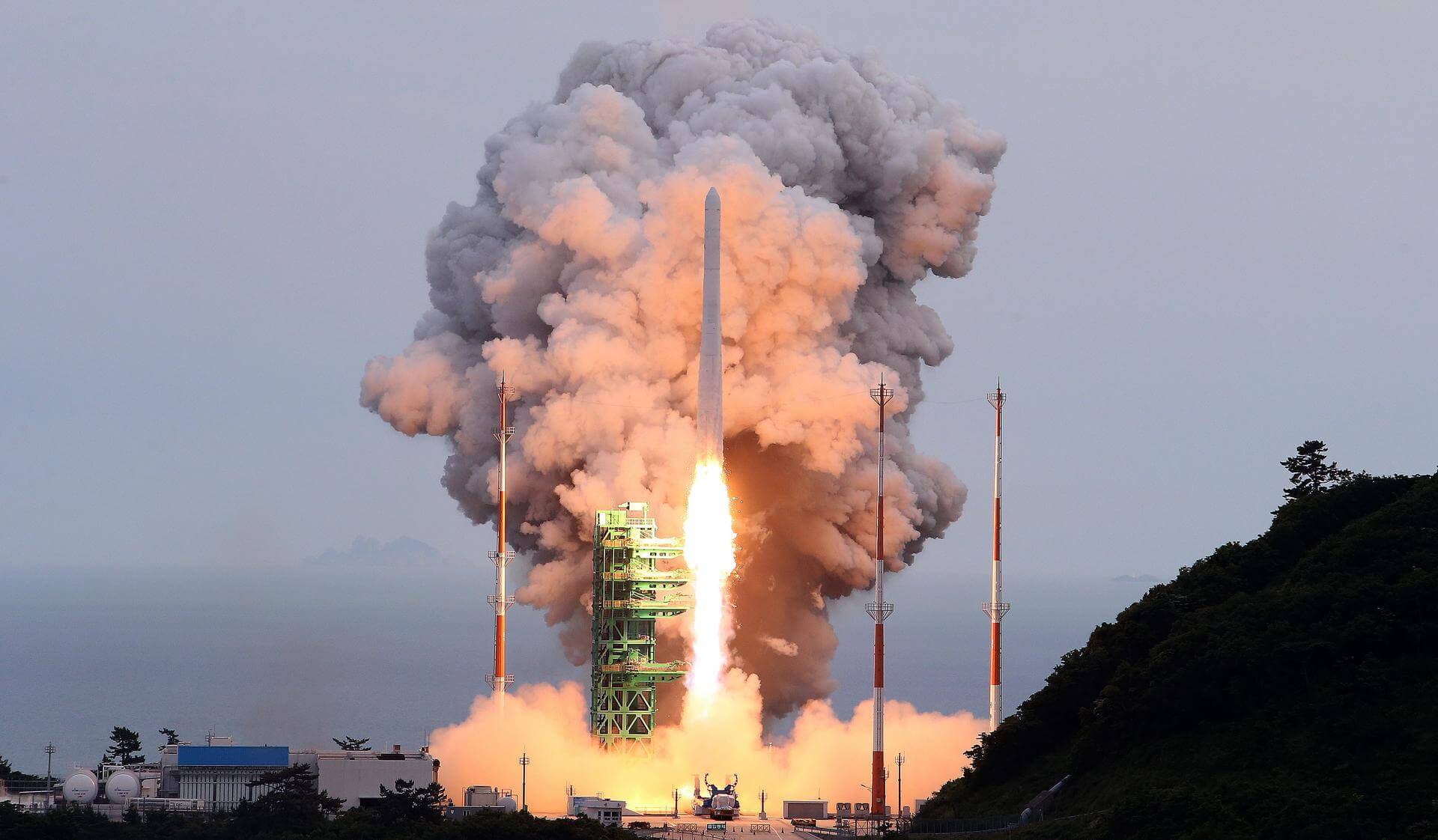
Nuri | NeonSat-2 to 6
Korea Aerospace Research Institute | South KoreaNaro Space Center, South Korea
Status: Launch Successful
Mission:
NeonSat-2 to 6 are part of the South Korean government's Earth observation micro-satellite constellation NeonSat (New-space Earth Observation Satellite). The NeonSat constellation is the first satellite system developed by the government using a mass-production approach for precise monitoring of the Korean Peninsula. 10 ride-sharing small satellites from various Korean institutes and organizations will also fly on this launch: * SLEDGE * GBSAT * PERSAT02 * UEL-Y-Sys * SD-1 SAT * E3_TESTER-KARI-2 * DaejonSat-1 * BEE-1012 * JACK-007 * CPSat
Sun-Synchronous Orbit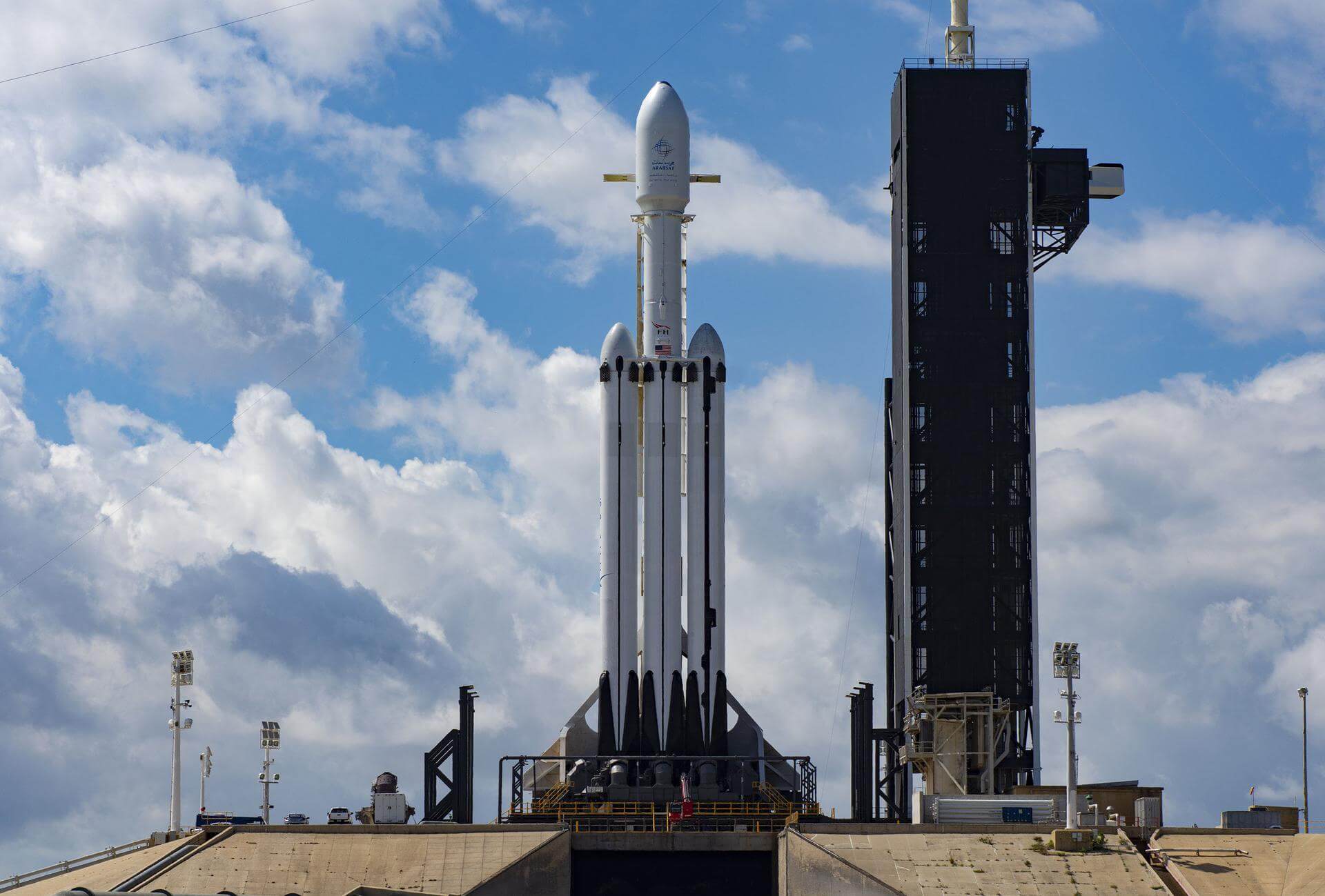
Falcon Heavy | NROL-97
SpaceX | United States of AmericaKennedy Space Center, FL, USA
Falcon 9 Block 5 | Transporter 18 (Dedicated SSO Rideshare)
SpaceX | United States of AmericaVandenberg SFB, CA, USA

