Vandenberg Launch Schedule
Upcoming launches out of Vandenberg AFB, California
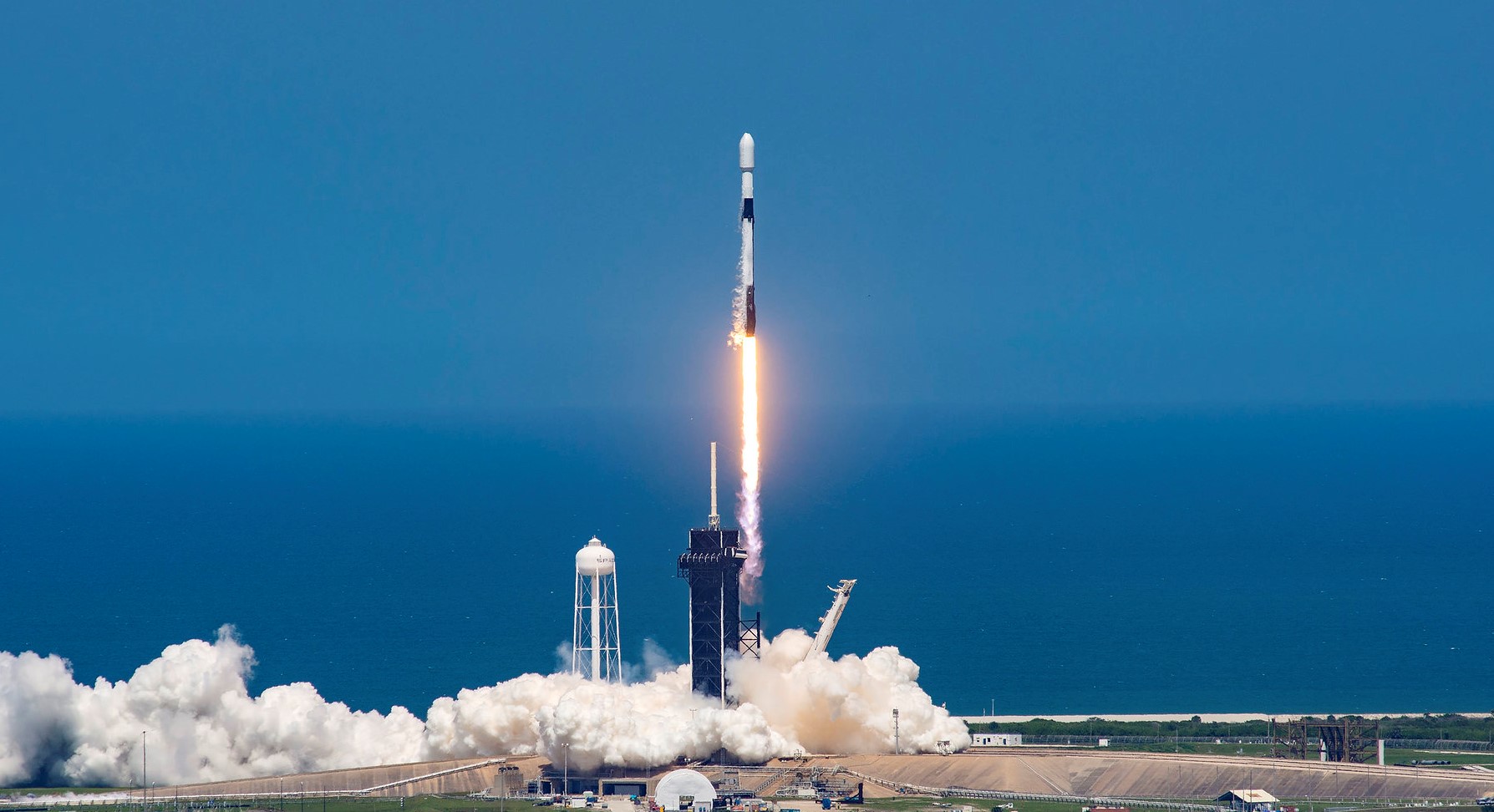
Falcon 9 Block 5 | WSF-M2 & BLAZE-2 (USSF-178)
SpaceX | United States of AmericaVandenberg SFB, CA, USA
Status: To Be Determined
Mission:
Second Weather System Follow-on (WSF) satellite. WSF-M (Weather System Follow-on - Microwave) is the next-generation operational environmental satellite system for the Department of Defense (DoD), to replace the microwave wavelength weather forecasting capabilities of the DMSP satellites. Ball Aerospace has been selected in late November 2017 to be the prime contractor for 2 Low Earth Orbit (LEO) weather satellites with a passive microwave imaging radiometer instrument and hosted Government furnished energetic charged particle (ECP) sensor space weather payload developed by the Air Force Research Laboratory. The radiometer leverages the Ball-built Global Precipitation Measurement (GPM) Microwave Imager (GMI) instrument. This mission will improve weather forecasting over maritime regions by taking global measurements of the atmosphere and ocean surface. The launch will also include BLAZE-2, a launch opportunity for operational, research, development, and prototype small satellites from across the DoD.
Polar Orbit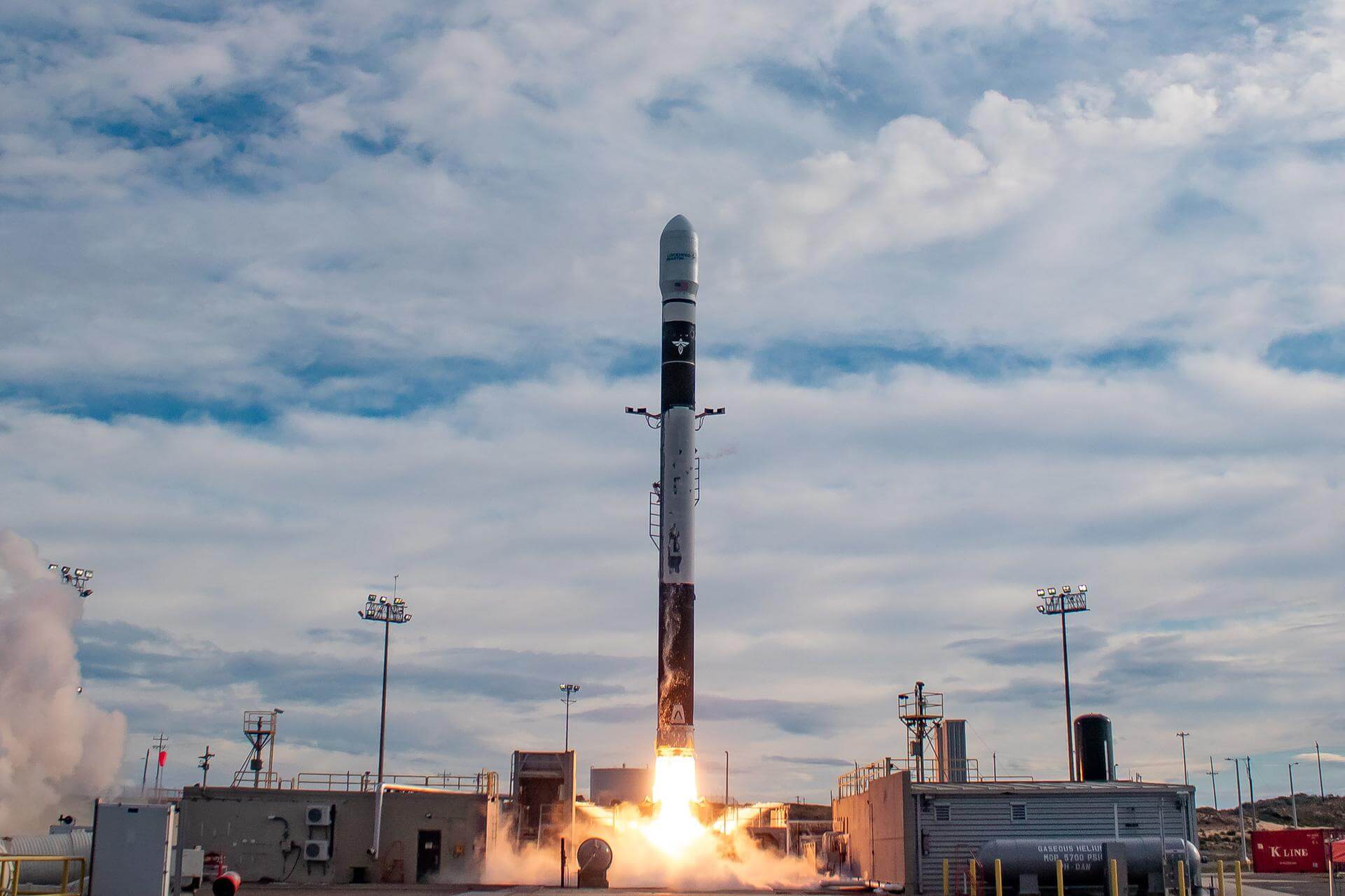
Firefly Alpha Block 2 | ConnectedCosmos Launch 4
Firefly Aerospace | United States of AmericaVandenberg SFB, CA, USA
Status: To Be Determined
Mission:
Fourth of at least four missions carrying 6 satellites for Open Cosmos' secure LEO broadband constellation, designed to provide independent and resilient connectivity infrastructure for Europe and the world using high-priority Ka-band spectrum filings by the Principality of Liechtenstein.
Polar OrbitFalcon 9 Block 5 | Transporter 20 (Dedicated SSO Rideshare)
SpaceX | United States of AmericaVandenberg SFB, CA, USA

Minotaur IV | EWS OD-1
Orbital ATK | United States of AmericaVandenberg SFB, CA, USA
Status: To Be Determined
Mission:
The Electro-Optical/Infrared Weather System (EWS) Operational Demonstration-1 (OD-1) is a weather satellite for the United States Space Force. It is a prototype satellite made by General Atomics that will be place in LEO for a three-year demonstration mission of new EO/IR sensor technologies to various US military branches, and to act as a stop-gap for Defense Department needs for weather data.
Sun-Synchronous OrbitFalcon 9 Block 5 | Transporter 21 (Dedicated SSO Rideshare)
SpaceX | United States of AmericaVandenberg SFB, CA, USA
Falcon 9 Block 5 | JPSS 4 (Joint Polar Satellite System spacecraft No. 4)
SpaceX | United States of AmericaVandenberg SFB, CA, USA
Status: To Be Determined
Mission:
The JPSS constellation of satellites collects global multi-spectral radiometry and other specialized meteorologic, oceanographic, and solar-geophysical data via remote sensing of land, sea, and atmospheric properties. These data support NOAA’s mission for continuous observation of Earth’s environment to understand and predict changes in weather, climate, oceans, and coasts to support the nation’s economy and protect lives and property. NASA uses the instruments aboard the JPSS satellites to continue decades of Earth science research for the betterment of humanity. JPSS-4 carries the NASA Earth Venture mission Libera, an instrument to improve our understanding of trends in Earth’s energy imbalance and our changing climate.
Sun-Synchronous OrbitFalcon 9 Block 5 | Exolaunch Exo-1
SpaceX | United States of AmericaVandenberg SFB, CA, USA
Falcon 9 Block 5 | Exolaunch Exo-2
SpaceX | United States of AmericaVandenberg SFB, CA, USA
Falcon 9 Block 5 | SEOPS Waymaker-2
SpaceX | United States of AmericaVandenberg SFB, CA, USA
Falcon 9 Block 5 | GRACE-C
SpaceX | United States of AmericaVandenberg SFB, CA, USA
Status: To Be Determined
Mission:
GRACE-C (Gravity Recovery and Climate Experiment-Continuity) is a successor to the original GRACE and GRACE-FO missions, providing month-to-month changes of Earth's gravity field to track water movement and surface mass changes across the planet, monitoring variations in ice sheets, glaciers, underground water storage, soil moisture, and sea levels. GRACE-C consists of two identical satellites flying around 200 km apart at an orbit altitude of 500 km with an inclination of 89 degrees. Each satellite will measure approximately 3 x 2 x 1 meters and weigh around 600 kg. This launch will also carry ride-sharing small satellites via Exolaunch.
Polar OrbitSoyuz 2.1b/Fregat-M
Glonass-K1? (Kosmos 2621?)
43/3 (43L) - Plesetsk Cosmodrome, Russian FederationNote: Payload identity uncertain. Glonass-K are the third generation of satellite design for GLONASS satellite navigation system. GLONASS is a Rus…
Falcon 9
USSF-432
Space Launch Complex 4E - Vandenberg SFB, CA, USAA classified mission for the United States Space Force. It is possibly a batch of classified LEO satellites based on SpaceX’s Starshield satellite bu…
Ceres-2
4 satellites
Launch Area 95A - Jiuquan Satellite Launch Center, People's Republic of ChinaShare-ride of 4 commercial Earth observation and technology demonstration satellites to SSO, details TBD.
Long March 2C
Yaogan 51-07 to 09
Launch Complex 3 (LC-3/LA-1) - Xichang Satellite Launch Center, People's Republic of China3 Chinese military “remote sensing” satellite of unknown purposes.
Kinetica 2
SpaceSail Polar Group #17
Launch Area 140 - Jiuquan Satellite Launch Center, People's Republic of China18 Low Earth Orbit communication satellites with Ku, Q and V band payloads for the G60 constellation operated by Shanghai Spacesail Technologies with…
Electron
The Sea God Surveys (iQPS Launch 9)
Rocket Lab Launch Complex 1A - Rocket Lab Launch Complex 1, Mahia Peninsula, New ZealandSynthetic aperture radar Earth observation satellite for Japanese Earth imaging company iQPS.
Falcon 9
Starlink Group 15-18
Space Launch Complex 4E - Vandenberg SFB, CA, USAA batch of 27 satellites for the Starlink mega-constellation - SpaceX's project for space-based Internet communication system.
GSLV Mk II
IRNSS-1L (NVS-03)
Satish Dhawan Space Centre Second Launch Pad - Satish Dhawan Space Centre, IndiaThis is a replacement satellite for the Indian Regional Navigation Satellite System. The constellation will provide India with an alternative to GPS …
Falcon 9
Starlink Group 15-16
Space Launch Complex 4E - Vandenberg SFB, CA, USAA batch of 27 satellites for the Starlink mega-constellation - SpaceX's project for space-based Internet communication system.
Long March 8A
SatNet LEO Group 28
Commercial LC-1 - Wenchang Space Launch Site, People's Republic of ChinaA batch of 9 Low Earth Orbit communication satellites for the Chinese state owned SatNet constellation operated by the China Satellite Network Group.…