SpaceX Launch Schedule
Filter by Agency, Locations or Vehicles
Show All Launches
Falcon 9 Block 5 | JPSS 4 (Joint Polar Satellite System spacecraft No. 4)
SpaceX | United States of AmericaVandenberg SFB, CA, USA
Status: To Be Determined
Mission:
The JPSS constellation of satellites collects global multi-spectral radiometry and other specialized meteorologic, oceanographic, and solar-geophysical data via remote sensing of land, sea, and atmospheric properties. These data support NOAA’s mission for continuous observation of Earth’s environment to understand and predict changes in weather, climate, oceans, and coasts to support the nation’s economy and protect lives and property. NASA uses the instruments aboard the JPSS satellites to continue decades of Earth science research for the betterment of humanity. JPSS-4 carries the NASA Earth Venture mission Libera, an instrument to improve our understanding of trends in Earth’s energy imbalance and our changing climate.
Sun-Synchronous OrbitFalcon 9 Block 5 | GEO-KOMPSAT-3
SpaceX | United States of AmericaCape Canaveral SFS, FL, USA
Status: To Be Determined
Mission:
3.7-ton South Korean geostationary communications satellite also known as Chollian-3. Designed to replace GEO-Kompsat-1 launched in 2010, it features advanced payloads for communications, disaster prevention, maritime safety and the safe flight of aircraft
Geostationary Transfer OrbitFalcon 9 Block 5 | Thaicom 10
SpaceX | United States of AmericaCape Canaveral SFS, FL, USA
Status: To Be Determined
Mission:
Thaicom 10, built by Airbus Defence and Space, will provide over 120 gigabits per second (Gbps) of capacity, with flexibility and instant configuration to adapt dynamically to the customers’ needs. The satellite will provide extended connectivity over the region for Thaicom’s customers and partners across the Asia Pacific.
Geostationary Transfer Orbit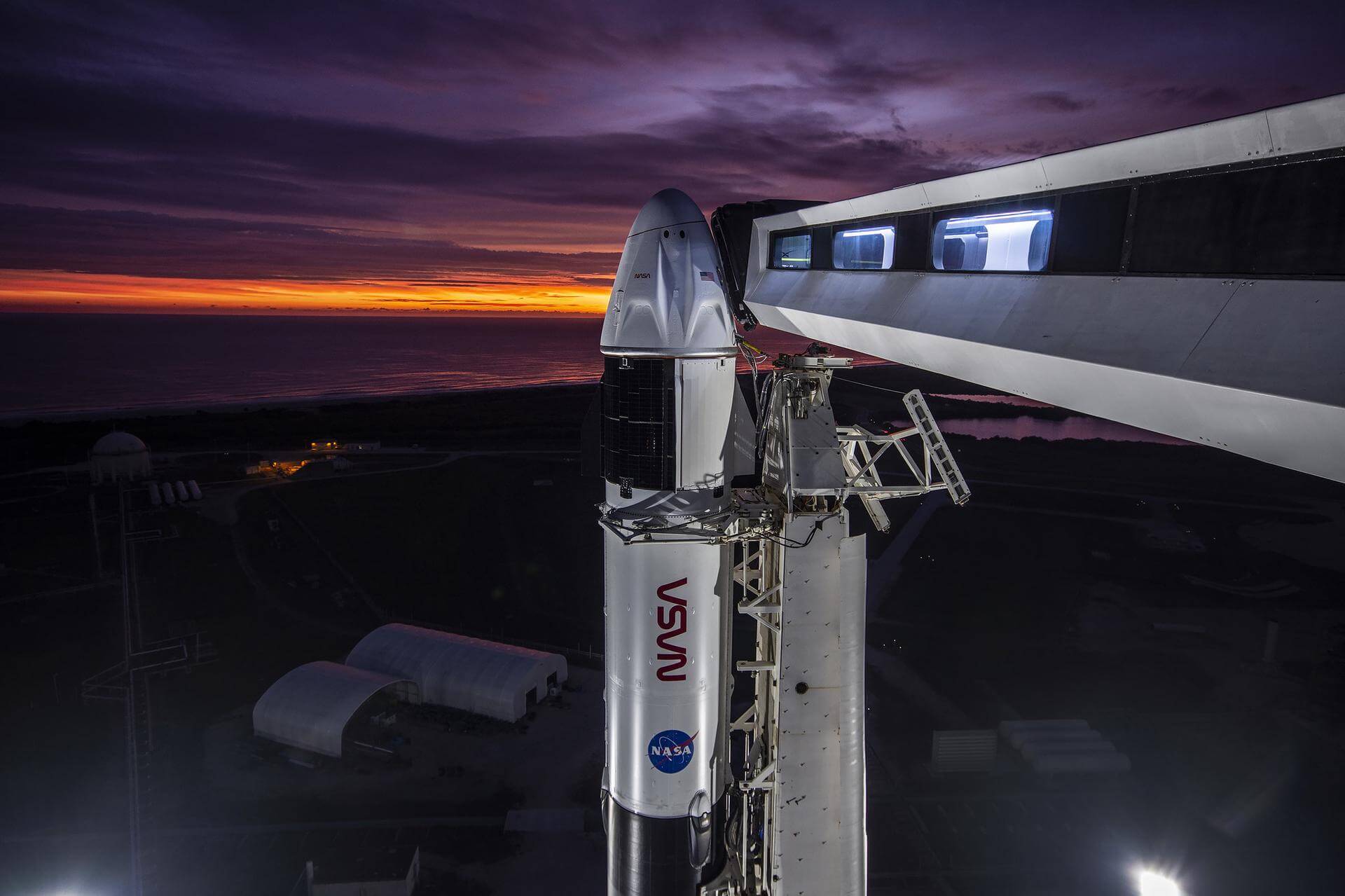
Falcon 9 Block 5 | Crew-15
SpaceX | United States of AmericaCape Canaveral SFS, FL, USA
Falcon 9 Block 5 | Blue Ghost Lunar Lander Mission 2
SpaceX | United States of AmericaCape Canaveral SFS, FL, USA
Status: To Be Determined
Mission:
2nd lunar lander developed by Firefly Aerospace. The Blue Ghost lander will be of a new two-stage version utilizing an Elytra Dark transfer vehicle to place it and the European Space Agency's Lunar Pathfinder experimental communication satellite into Lunar orbit. The lander will land on the far side of the Moon with 2 NASA payloads: * Lunar Surface Electromagnetics Experiment (LuSEE-Night) * User Terminal (UT)
Lunar OrbitFalcon 9 Block 5 | Nova-C IM-4 & 2 Lunar Data Relay Satellites
SpaceX | United States of AmericaCape Canaveral SFS, FL, USA
Falcon 9 Block 5 | Telesat Lightspeed 14
SpaceX | United States of AmericaCape Canaveral SFS, FL, USA
Falcon 9 Block 5 | Telesat Lightspeed 11
SpaceX | United States of AmericaCape Canaveral SFS, FL, USA
Falcon 9 Block 5 | Telesat Lightspeed 10
SpaceX | United States of AmericaCape Canaveral SFS, FL, USA
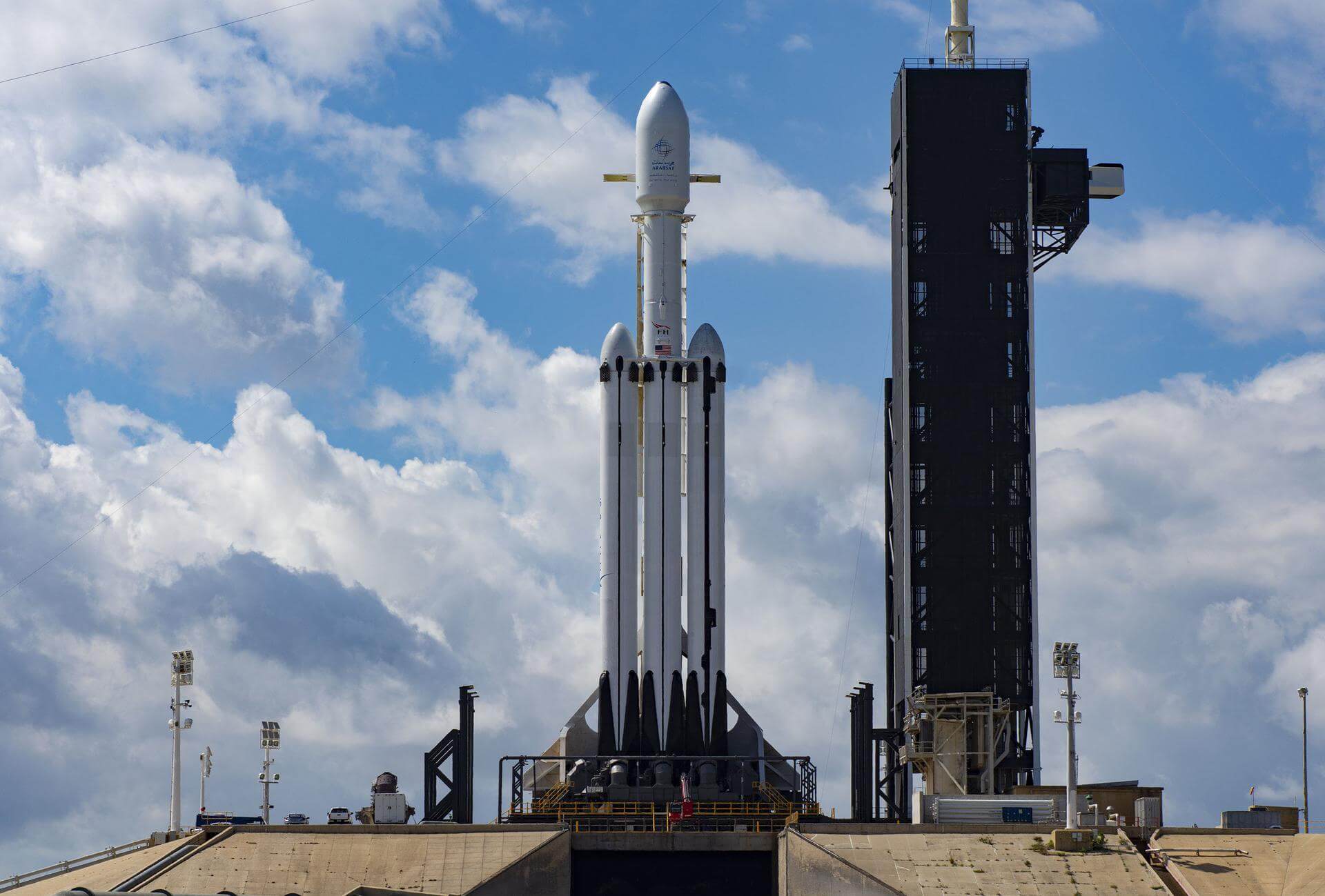
Falcon Heavy | Gateway PPE & HALO
SpaceX | United States of AmericaKennedy Space Center, FL, USA
Status: To Be Determined
Mission:
The Power and Propulsion Element (PPE) and Habitation and Logistics Outpost (HALO) are the foundational elements of NASA's lunar-orbiting space station "Gateway". The PPE is a 60-kilowatt class solar electric propulsion spacecraft that also will provide power, high-speed communications, attitude control and the capability to move the Gateway to different lunar orbits. The HALO is the pressurized living quarters where astronauts who visit the Gateway, often on their way to the Moon, will work. It will provide command and control and serve as the docking hub for the outpost. HALO will support science investigations, distribute power, provide communications for visiting vehicles and lunar surface expeditions, and supplement the life support systems aboard Orion, NASA’s spacecraft that will deliver Artemis astronauts to the Gateway.
Lunar OrbitFalcon 9
USSF-385
Space Launch Complex 4E - Vandenberg SFB, CA, USAA classified mission for the United States Space Force. It is possibly a batch of classified LEO satellites based on SpaceX’s Starshield satellite bu…
Electron
Owlright, Owlright, Owlright (StriX Launch 13)
Rocket Lab Launch Complex 1B - Rocket Lab Launch Complex 1, Mahia Peninsula, New ZealandSynthetic aperture radar satellite for Japanese Earth imaging company Synspective.
Long March 6A
Yaogan 40 Group 04
Launch Complex 9A - Taiyuan Satellite Launch Center, People's Republic of China3 Chinese reconnaissance satellites of unknown purposes, officially reported as for "Electromagnetic environment probing".
Long March 8A
SatNet LEO Group 26
Commercial LC-1 - Wenchang Space Launch Site, People's Republic of ChinaA batch of 9 Low Earth Orbit communication satellites for the Chinese state owned SatNet constellation operated by the China Satellite Network Group.…
Kinetica 1
9 satellites
Launch Area 130 - Jiuquan Satellite Launch Center, People's Republic of ChinaShare-ride of 9 commercial Earth observation and technology demonstration satellites to SSO, details TBD.
Falcon 9
Starlink Group 15-27
Space Launch Complex 4E - Vandenberg SFB, CA, USAA batch of 27 satellites for the Starlink mega-constellation - SpaceX's project for space-based Internet communication system.
Long March 2D
PIESAT-2 13-16
Launch Complex 9 - Taiyuan Satellite Launch Center, People's Republic of China4 X-band synthetic-aperture radar Earth observation satellites for the Chinese Earth observation satellite company PIESAT.
Electron
Owl By The Dozen (StriX Launch 12)
Rocket Lab Launch Complex 1B - Rocket Lab Launch Complex 1, Mahia Peninsula, New ZealandSynthetic aperture radar satellite for Japanese Earth imaging company Synspective.
Soyuz 2.1b/Fregat-M
Glonass-K1 No. 20 (?)
43/3 (43L) - Plesetsk Cosmodrome, Russian FederationNote: Satellite serial number and Cosmos designation not confirmed. Glonass-K are the third generation of satellite design for GLONASS satellite n…
Kuaizhou 11
SpaceTY-51 & 52
Launch Area 95A - Jiuquan Satellite Launch Center, People's Republic of China2 Earth observation radar satellites built by the Chinese satellite manufacturer SpaceTY.

