Upcoming Spaceflight Launches
Filter by Agency, Locations or Vehicles
Show All Launches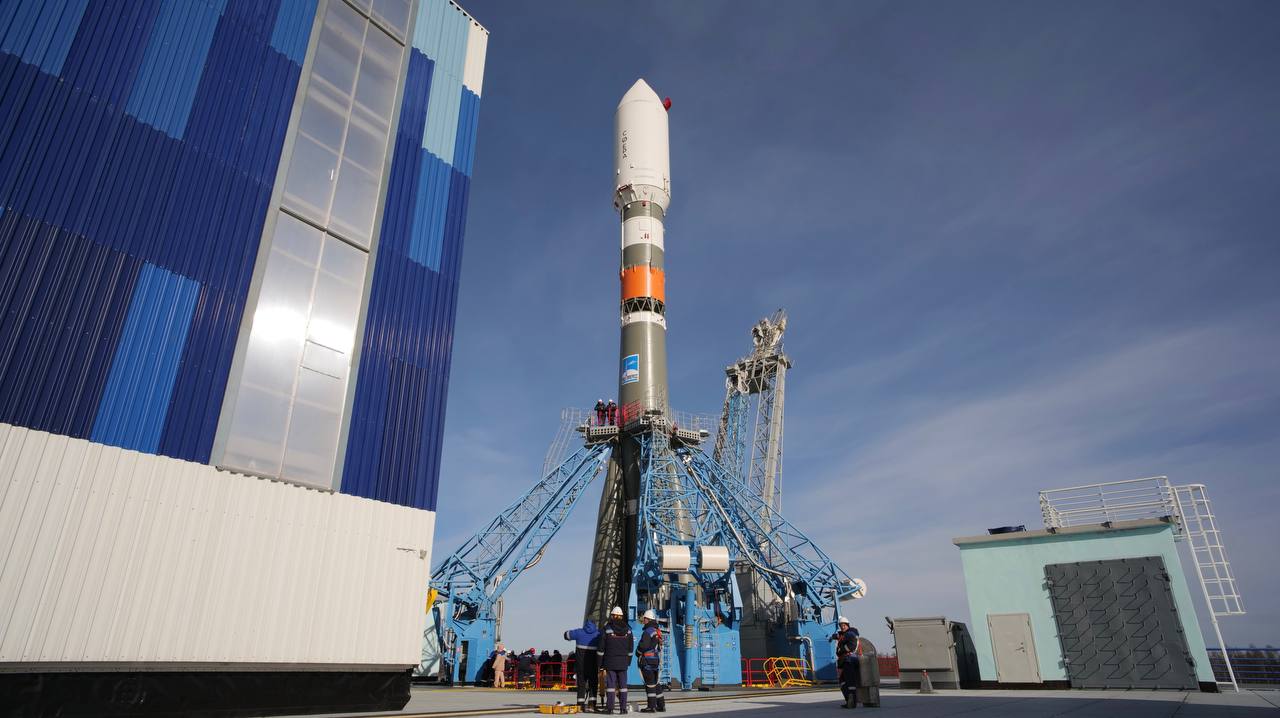
Soyuz 2.1b | Progress MS-36 (97P)
Progress Rocket Space Center | RussiaBaikonur Cosmodrome, Republic of Kazakhstan
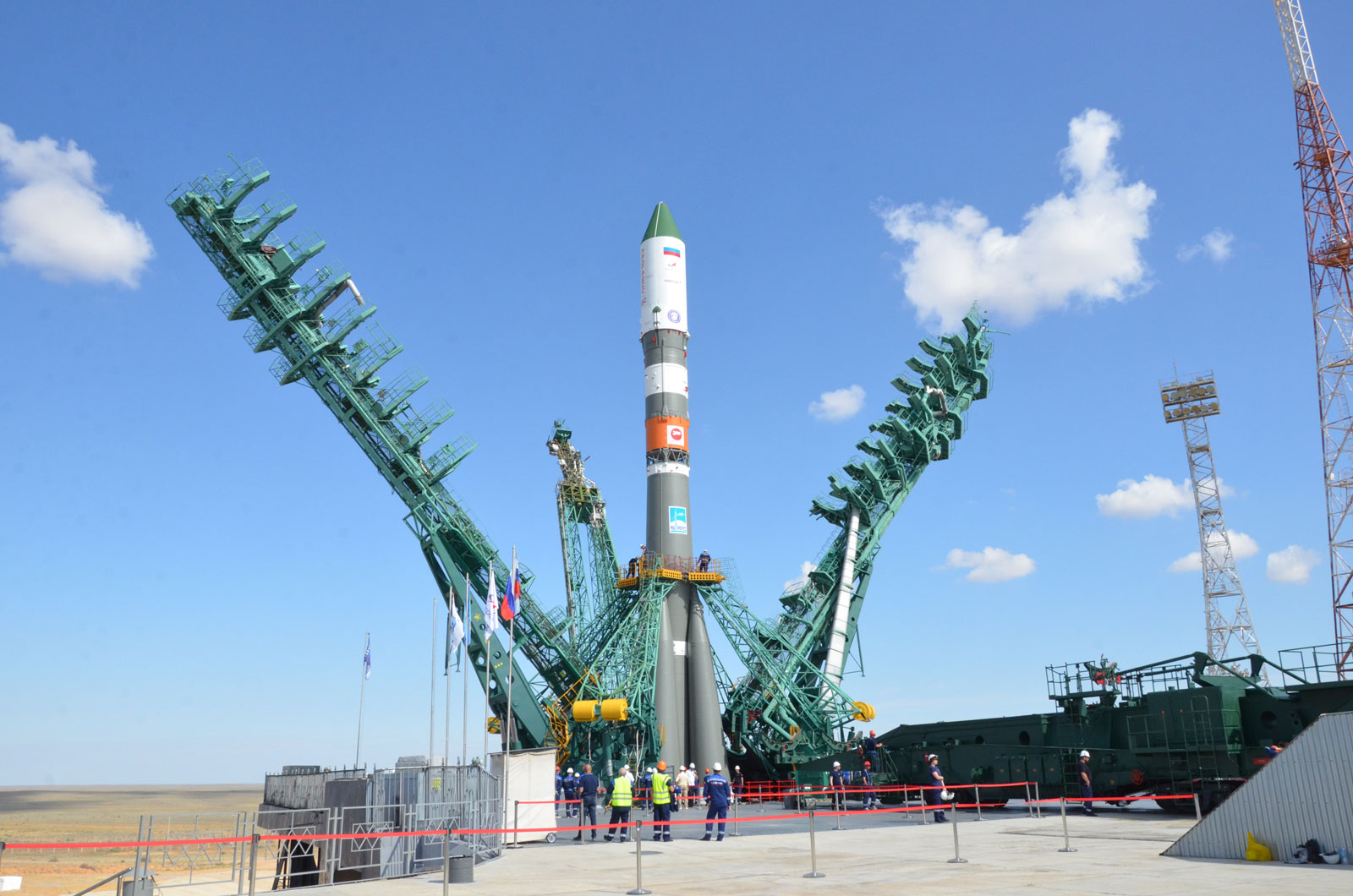
Soyuz 2.1a | Soyuz MS-30
Progress Rocket Space Center | RussiaBaikonur Cosmodrome, Republic of Kazakhstan
Status: To Be Determined
Mission:
Soyuz MS-30 will carry two cosmonauts and one astronaut to the International Space Station aboard the Soyuz spacecraft from the Baikonur Cosmodrome in Kazakhstan. The crew consists of Roscosmos cosmonauts Dmitri Petelin and Konstantin Borisov, as well as NASA astronaut Deniz Burnham.
Low Earth OrbitSoyuz 2.1b/Fregat-M | Luna 26
Progress Rocket Space Center | RussiaVostochny Cosmodrome, Siberia, Russian Federation
Status: To Be Determined
Mission:
Luna 26 (also named Luna-Resurs) is a planned lunar polar orbiter, part of the Luna-Glob program, by the Russian space agency Roscosmos. In addition to its scientific role, the Luna 26 orbiter would also function as a telecommunication relay between Earth and Russian landed assets. The scientific payload on board the orbiter is composed of fourteen instruments that will be fabricated by Russia. The payload will study the lunar surface and the environment around the Moon, including the solar wind, and high-energy cosmic rays. Luna 26 will also scout sites for the planned Luna 27 landing mission. Luna 26 is the second mission of Russia's new lunar program, which includes the launch of Luna 27, a heavy lander that will study the composition of the lunar soil by collecting several samples. Luna 28, a lunar samples return mission, will be the first to return samples at lunar temperature, and will serve as a demonstration for a future Martian samples return mission. Finally, Luna 29 should land a heavy lunar rover on the surface.
Lunar Orbit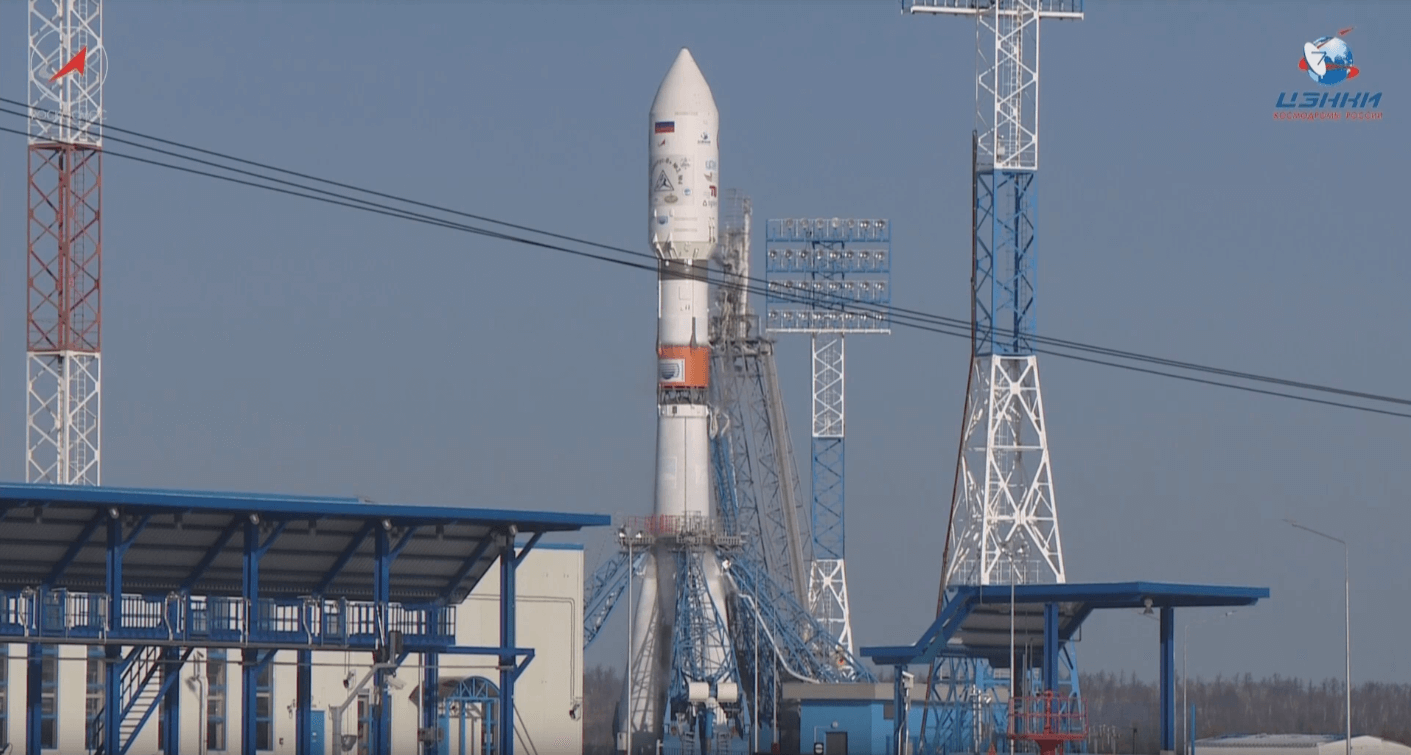
Soyuz 2.1a/Fregat-M | MKA Kinosputnik, KOEN and others
Progress Rocket Space Center | RussiaVostochny Cosmodrome, Siberia, Russian Federation
Status: To Be Determined
Mission:
Share-ride of multiple satellites, including dual-use optical Earth observation satellites and drone-guiding satellites: * MKA Kinosputnik * KOEN, KA MT-LAB * NPO Kaisant 6U cubesat with a Germes modem * NPO Kaisant 16U cubesat with Gonets modems
Sun-Synchronous OrbitSoyuz 2.1b/Fregat-M | Luna 27
Progress Rocket Space Center | RussiaVostochny Cosmodrome, Siberia, Russian Federation
Status: To Be Determined
Mission:
Luna 27 (also named Luna-Resurs 1) is a planned lunar lander mission by Roscosmos to send a lander to the South Pole–Aitken basin, an area on the far side of the Moon. The purpose is to prospect for minerals, volatiles (nitrogen, water, carbon dioxide, ammonia, hydrogen, methane and sulfur dioxide, and lunar water ice in permanently shadowed areas of the Moon and investigate the potential use of these natural lunar resources. On the long term, Russia considers building a crewed base on the Moon's far side that would bring scientific and commercial benefits. The lander will feature 15 science instruments that will analyse the regolith, plasma in the exosphere, dust, and seismic activity. The payload will include a sampling drill.
Lunar OrbitFalcon 9
USSF-481
Space Launch Complex 4E - Vandenberg SFB, CA, USAA classified mission for the United States Space Force. It is possibly a batch of classified LEO satellites based on SpaceX’s Starshield satellite bu…
Zhuque-2E Block 2
10 satellites
Launch Area 96A - Jiuquan Satellite Launch Center, People's Republic of ChinaRide-share of 10 satellites to sun-synchronous orbit, including: * Guangchuan-03 & 04 (LT-03/04) from LandSpace's subsidiary LandTower for testing…
Falcon 9
Dragon CRS-2 SpX-35
Space Launch Complex 40 - Cape Canaveral SFS, FL, USA35th commercial resupply services mission to the International Space Station operated by SpaceX. The flight will be conducted under the second Commer…
Falcon 9
Starlink Group 15-25
Space Launch Complex 4E - Vandenberg SFB, CA, USAA batch of 27 satellites for the Starlink mega-constellation - SpaceX's project for space-based Internet communication system.
Falcon 9
SDA Tranche 1 Transport Layer A
Space Launch Complex 4E - Vandenberg SFB, CA, USATranche 1 Transport Layer A is one of six missions by the United States Space Force Space Development Agency (SDA) for the Proliferated Warfighter Sp…
Long March 12
SatNet LEO Group 27
Commercial LC-2 - Wenchang Space Launch Site, People's Republic of ChinaA batch of 9 Low Earth Orbit communication satellites for the Chinese state owned SatNet constellation operated by the China Satellite Network Group.…
Nuri
NeonSat-2 to 6
LC-2 - Naro Space Center, South KoreaNeonSat-2 to 6 are part of the South Korean government's Earth observation micro-satellite constellation NeonSat (New-space Earth Observation Satelli…
Falcon Heavy
NROL-97
Launch Complex 39A - Kennedy Space Center, FL, USAClassified payload for the US National Reconnaissance Office.
Falcon 9
Transporter 18 (Dedicated SSO Rideshare)
Space Launch Complex 4E - Vandenberg SFB, CA, USADedicated rideshare flight to a sun-synchronous orbit with dozens of small microsatellites and nanosatellites for commercial and government customers.
Falcon 9
Crew-13
Space Launch Complex 40 - Cape Canaveral SFS, FL, USASpaceX Crew-13 is the thirteenth crewed operational flight of a Crew Dragon spacecraft to the International Space Station as part of NASA's Commercia…