Upcoming Events
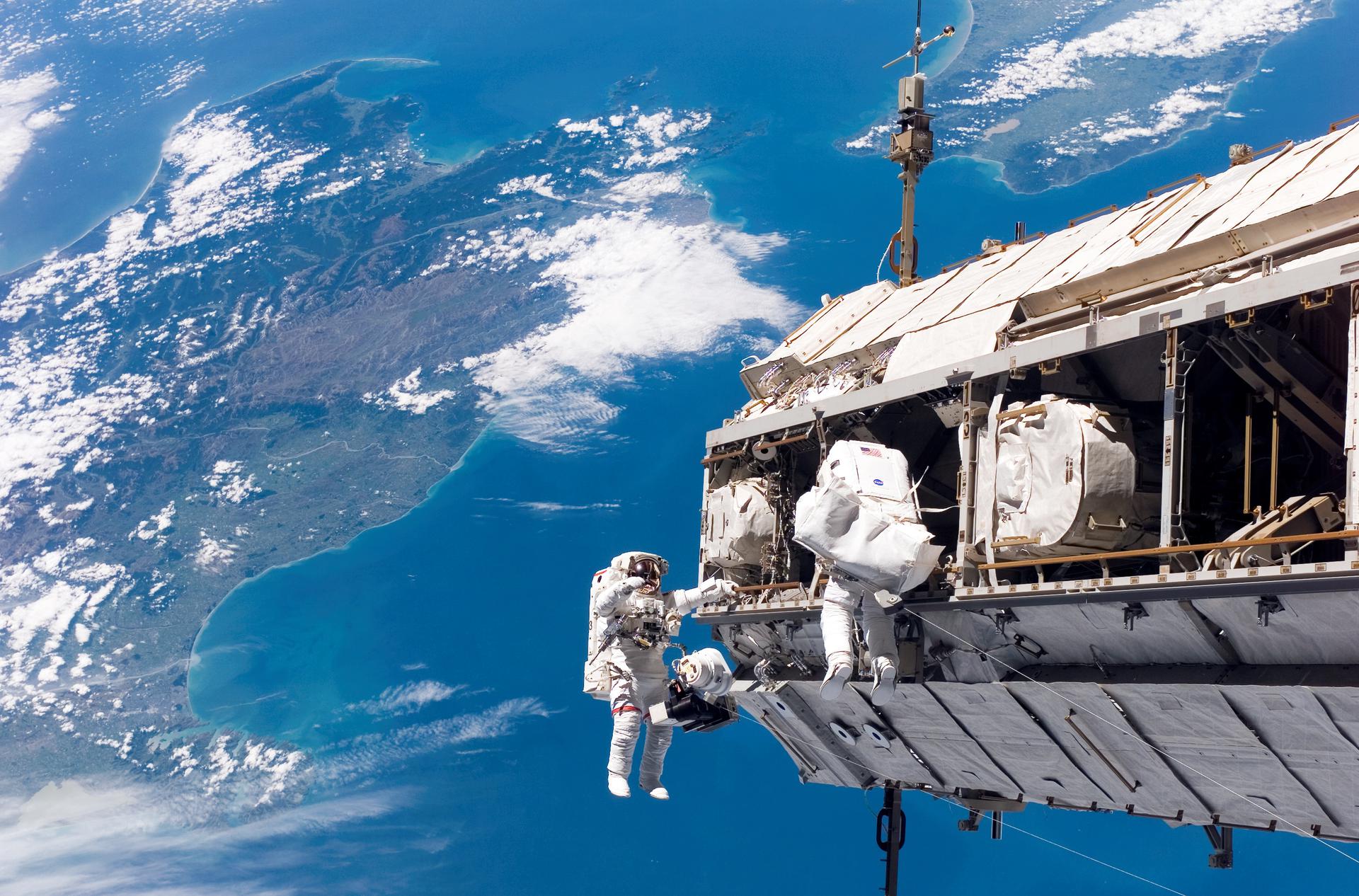
EVA
Oct 29, 2026
US EVA-100
International Space StationNASA astronaut Anil Menon and CSA astronaut Joshua Kutryk will exit the station’s Quest airlock to install and deploy an International Space Station Roll-Out Solar Array (IROSA) on the 2A electrical power channel. The solar array will be the seventh IROSA and will provide additional power to support critical station operations, including its safe and controlled deorbit.
calendar_today Explore
EVA
Nov 05, 2026
US EVA-101
International Space StationNASA astronaut Anil Menon and CSA astronaut Joshua Kutryk will install and deploy the eighth and final IROSA on the 3B channel of the space station, completing the power augmentation upgrades. The final two roll-out solar arrays will complete the space station’s power system augmentation. Together, the eight roll-out arrays will increase available power by up to 30%, boosting the station’s electric power generation capacity from 160 kilowatts to approximately 215 kilowatts.
calendar_today Explore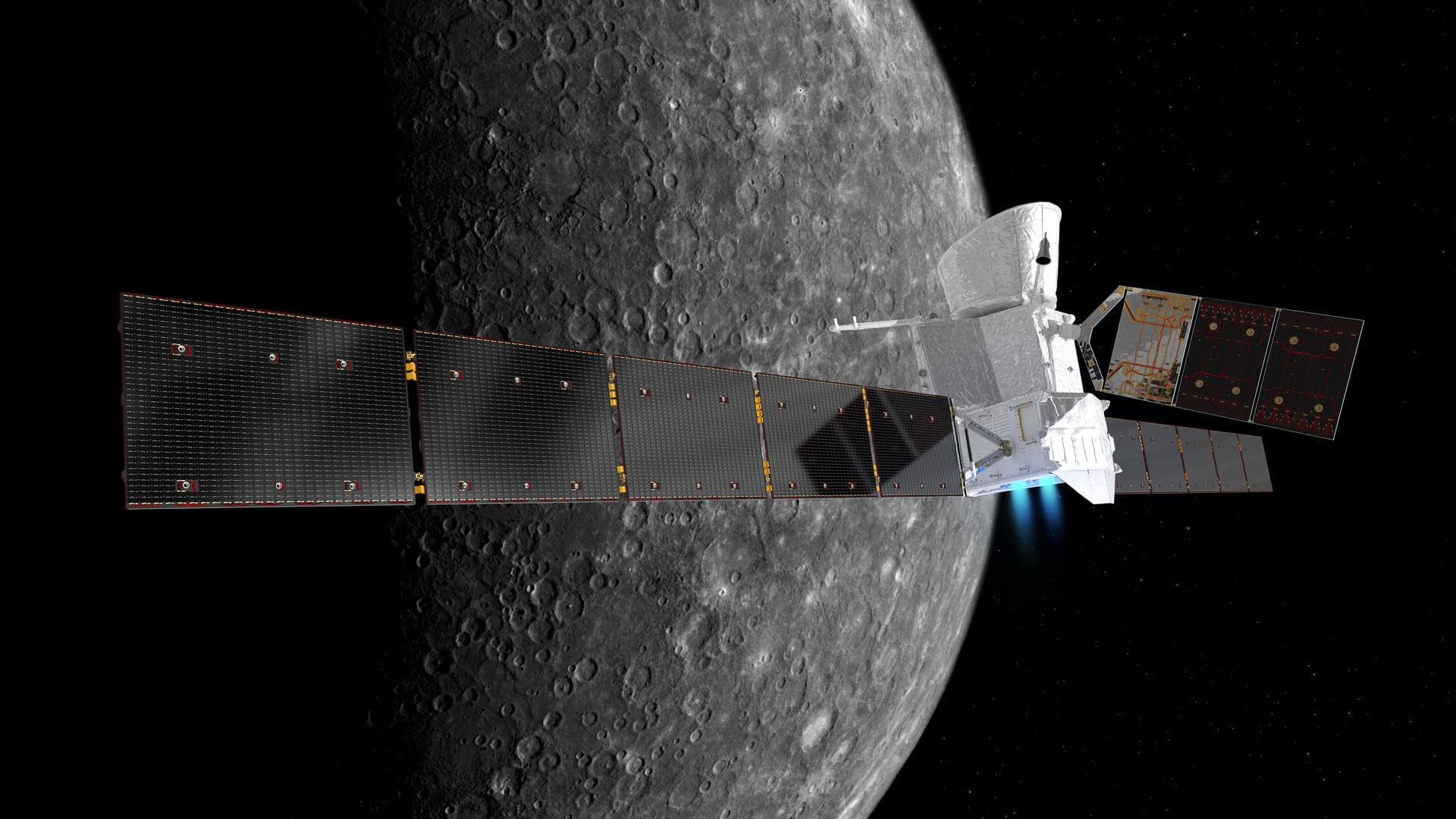
Orbital Insertion
Nov 30, 2026
BepiColombo Mercury Orbit Insertion
MercuryOrbital insertion around Mercury of the ESA-JAXA BepiColombo mission.
calendar_today Explore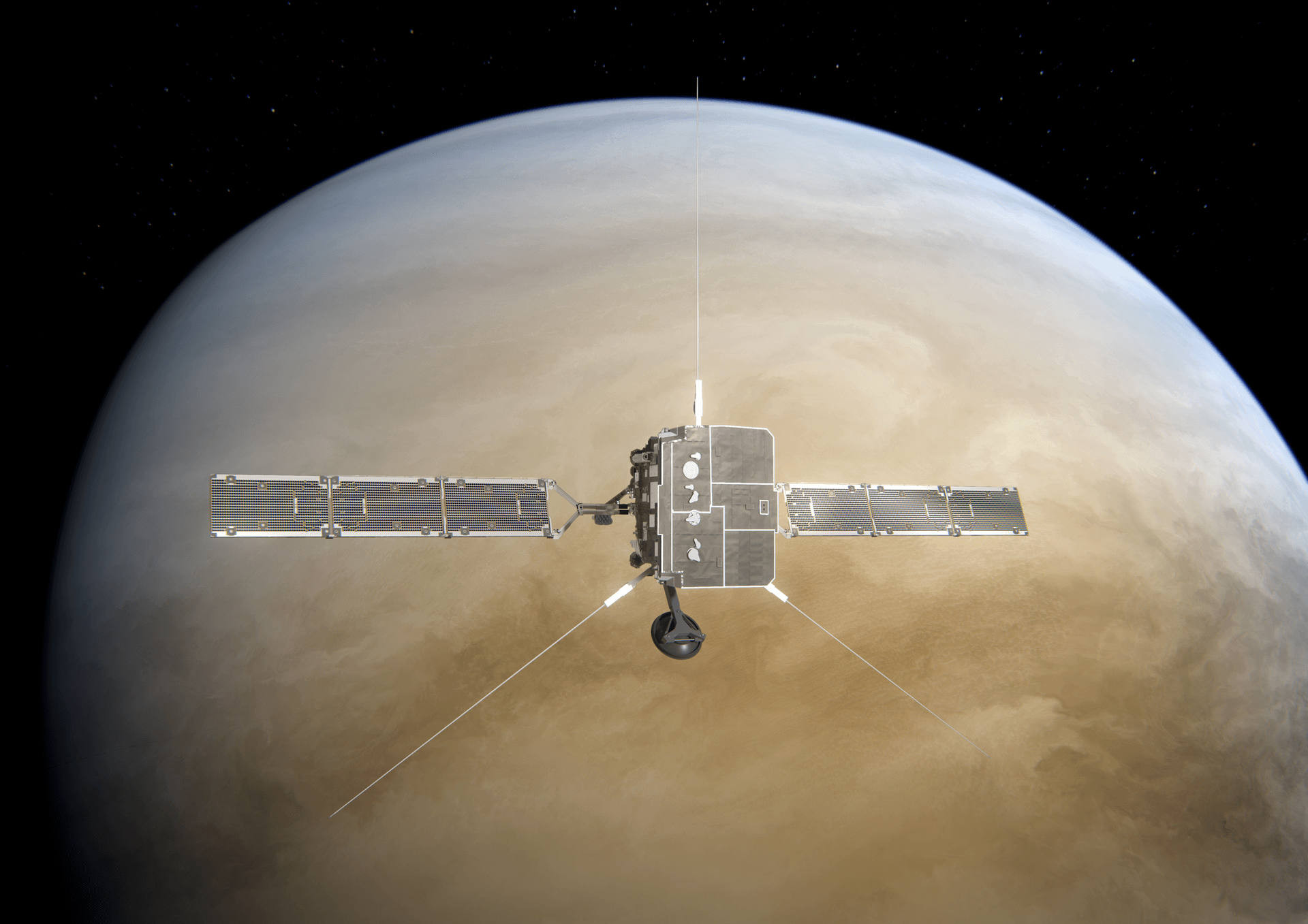
Flyby
Dec 24, 2026
Solar Orbiter Venus Flyby
VenusSolar Orbiter, a partnership between ESA and NASA, will perform a gravity assist maneuver with Venus on December 24, 2026. Throughout its mission it also makes repeated gravity assist flybys of Venus to get closer to the Sun, and to change its orbital inclination, boosting it out of the ecliptic plane, to get the best – and first – views of the Sun’s poles.
calendar_today Explore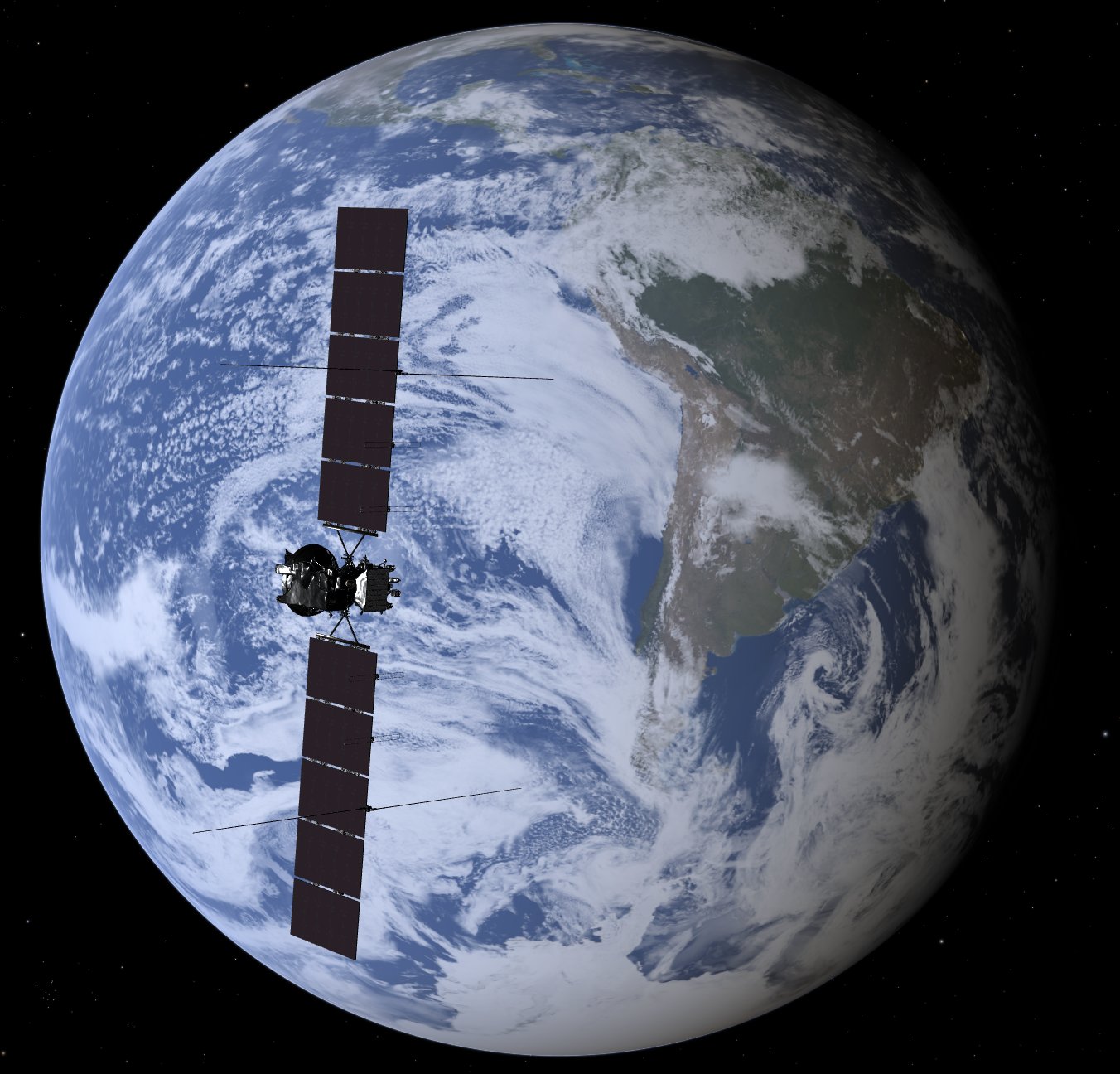
Flyby
Dec 31, 2026
Europa Clipper Earth Flyby
EarthNASA’s Europa Clipper will fly by Earth for a second and final gravity assist on its way to Jupiter.
calendar_today Explore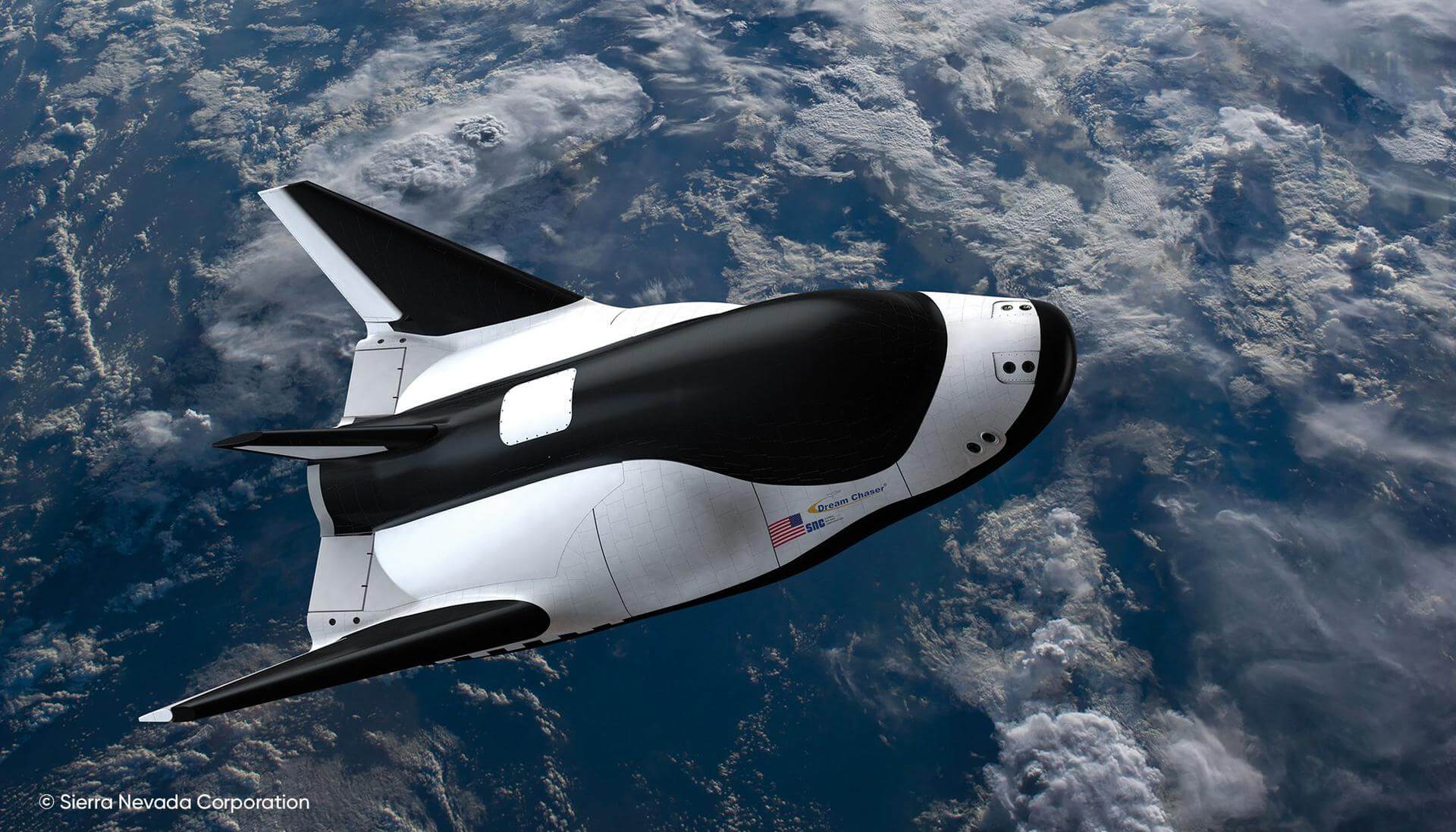
Spacecraft Berthing
Dec 31, 2026
SNC-1 Dream Chaser Berthing
International Space StationNASA TV will livestream the rendezvous and capture of Sierra Nevada Corporation's Dream Chaser cargo craft to the International Space Station.
calendar_today Explore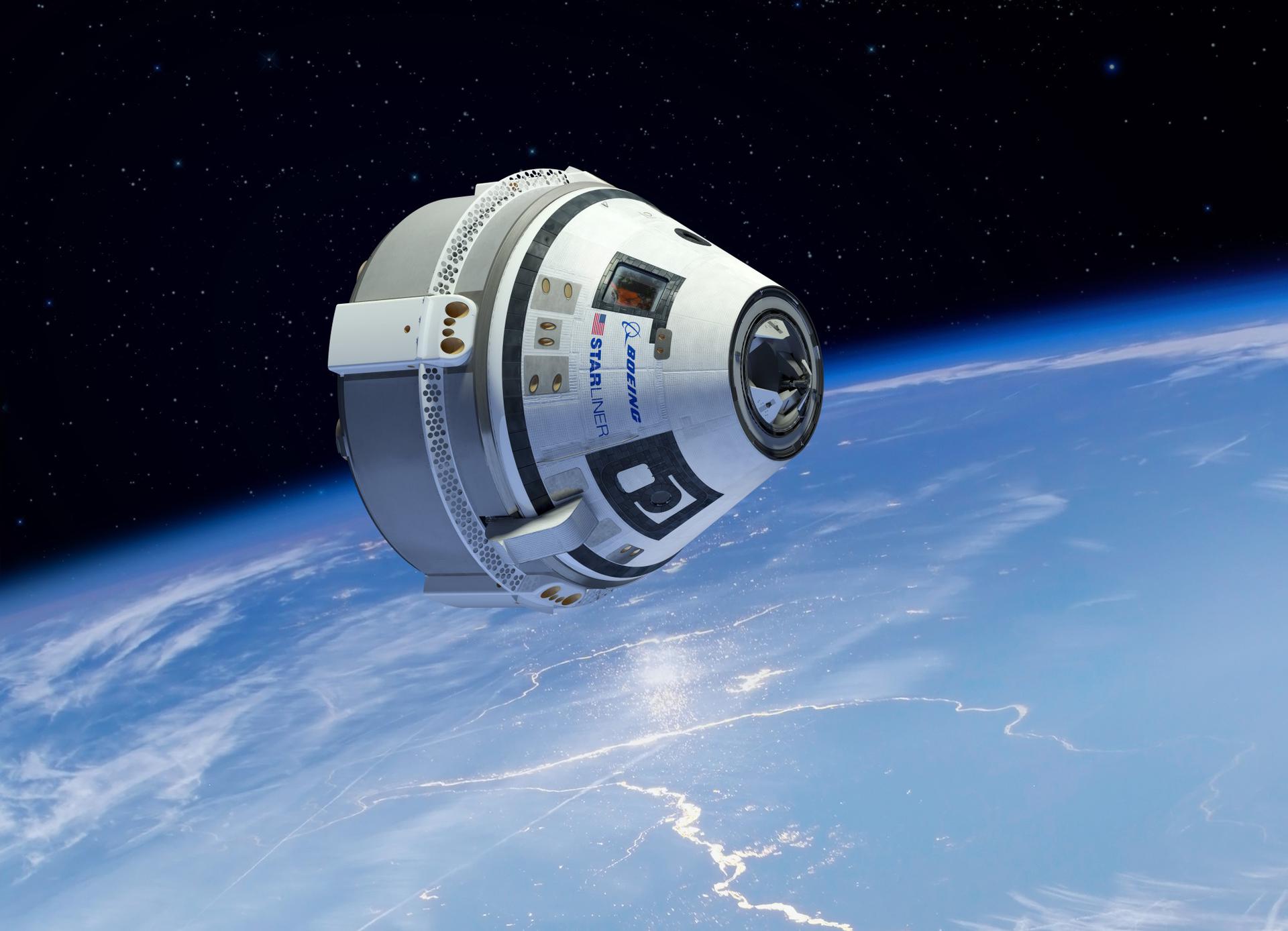
Docking
Dec 31, 2026
Boeing Starliner-1 Docking
International Space StationThe Starliner-1 spacecraft will dock autonomously to the International Space Station, carrying four astronauts to the International Space Station.
calendar_today Explore
Spacecraft Landing
Dec 31, 2026
Boeing Starliner-1 Landing
White Sands Missile RangeFollowing its deorbit burn, the Boeing CST-100 Starliner will reenter the Earth's atmosphere and land at the White Sands Missile Range using its parachutes.
calendar_today Explore
Spacecraft Undocking
Dec 31, 2026
Boeing Starliner-1 Undocking
International Space StationThe Boeing CST-100 Starliner will undock from the International Space Station and conduct a deorbit burn as part of its first operational mission. Following the deorbit burn the capsule will renter the Earth's atmosphere and land at the 'White Sands Missile Range' using its parachutes.
calendar_today Explore
Spacecraft Release
Dec 31, 2026
SNC-1 Dream Chaser Release & Reentry
International Space StationThe Sierra Nevada Corporation SNC-1 Dream Chaser will be unberthed from the ISS before re-entering the Earth's atmosphere and landing at Kennedy Space Center.
calendar_today Explore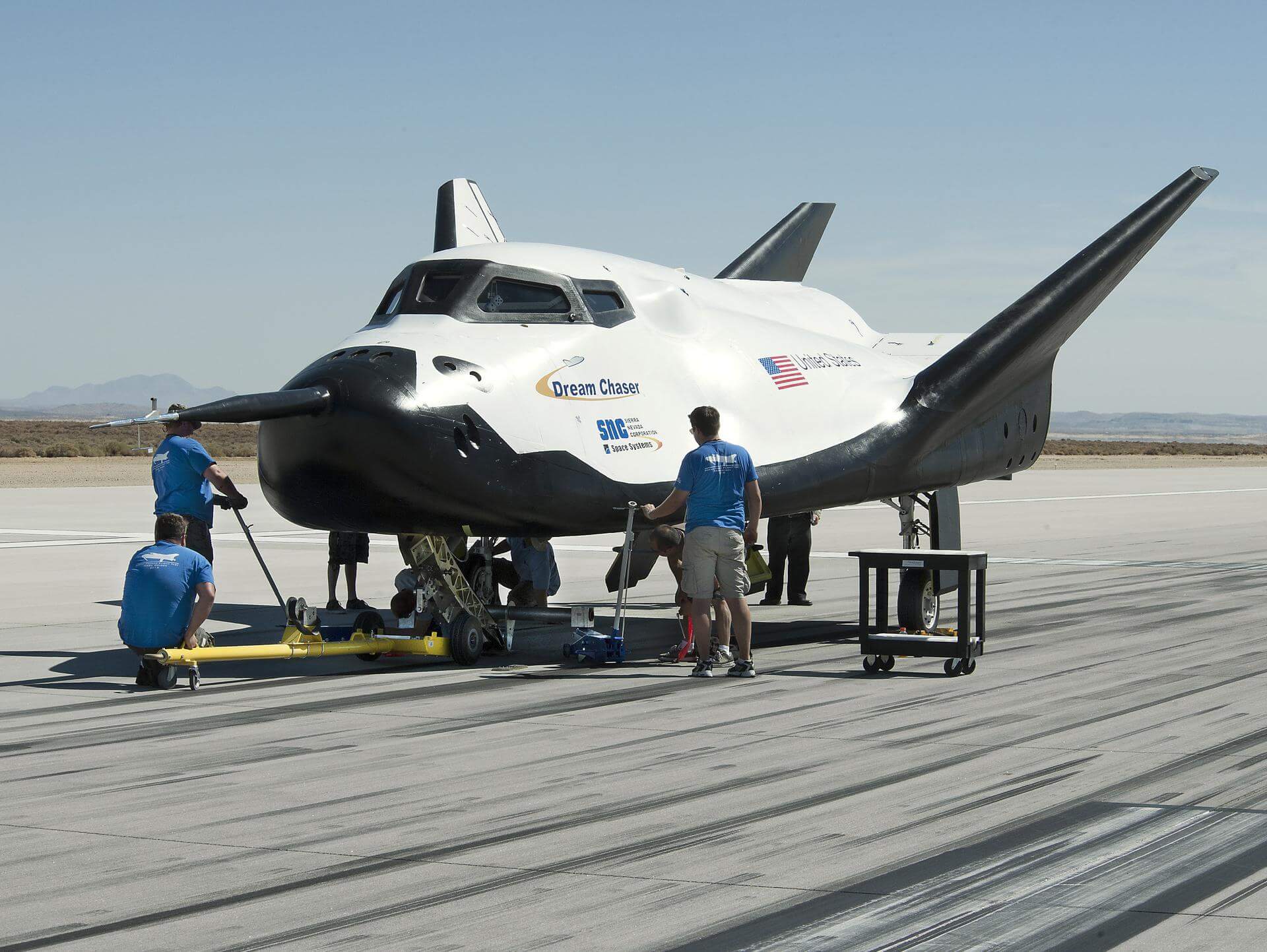
Spacecraft Landing
Dec 31, 2026
SNC-1 Dream Chaser Landing
Kennedy Space Center, FL, USAThe Sierra Nevada Corporation SNC-1 Dream Chaser will land autonomously at the Launch and Landing Facility of Kennedy Space Center.
calendar_today Explore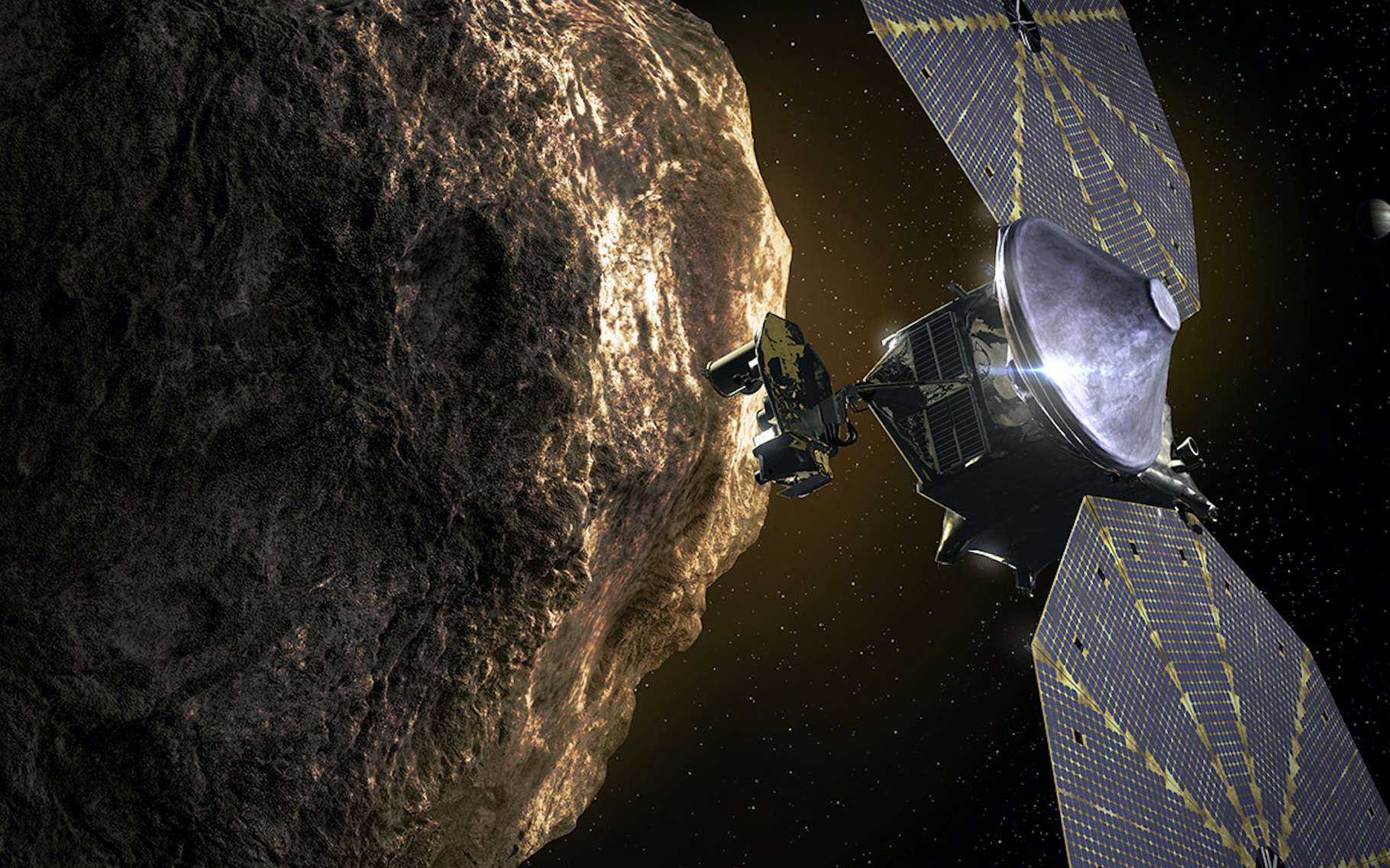
Flyby
Aug 12, 2027
Lucy Trojan Asteroid (3548) Eurybates & Queta Flyby
(3548) EurybatesFlyby of the Trojan asteroid (3548) Eurybates and its satellite Queta by NASA's Lucy mission.
calendar_today Explore
Flyby
Sep 15, 2027
Lucy Trojan Asteroid (15094) Polymele Flyby
(15094) PolymeleFlyby of the Trojan asteroid (15094) Polymele by NASA's Lucy mission.
calendar_today Explore
Flyby
Dec 31, 2027
Hayabusa2 Earth Flyby
EarthAs part of its mission extension, JAXA's Hayabusa2 spacecraft will fly by Earth on its way to asteroid 1998 KY26.
calendar_today Explore
Flyby
Mar 18, 2028
Solar Orbiter Venus Flyby
VenusSolar Orbiter, a partnership between ESA and NASA, will perform a gravity assist maneuver with Venus on March 17, 2028. Throughout its mission it also makes repeated gravity assist flybys of Venus to get closer to the Sun, and to change its orbital inclination, boosting it out of the ecliptic plane, to get the best – and first – views of the Sun’s poles.
calendar_today Explore
Flyby
Apr 18, 2028
Lucy Trojan Asteroid (11351) Leucus Flyby
(11351) LeucusFlyby of the Trojan asteroid (11351) Leucus by NASA's Lucy mission.
calendar_today Explore
Flyby
Jun 30, 2028
Hayabusa2 Earth Flyby
EarthAs part of its mission extension, JAXA's Hayabusa2 spacecraft will fly by Earth on its way to asteroid 1998 KY26.
calendar_today Explore
Flyby
Nov 11, 2028
Lucy Trojan Asteroid (21900) Orus Flyby
(21900) OrusFlyby of the Trojan asteroid (21900) Orus by NASA's Lucy mission.
calendar_today Explore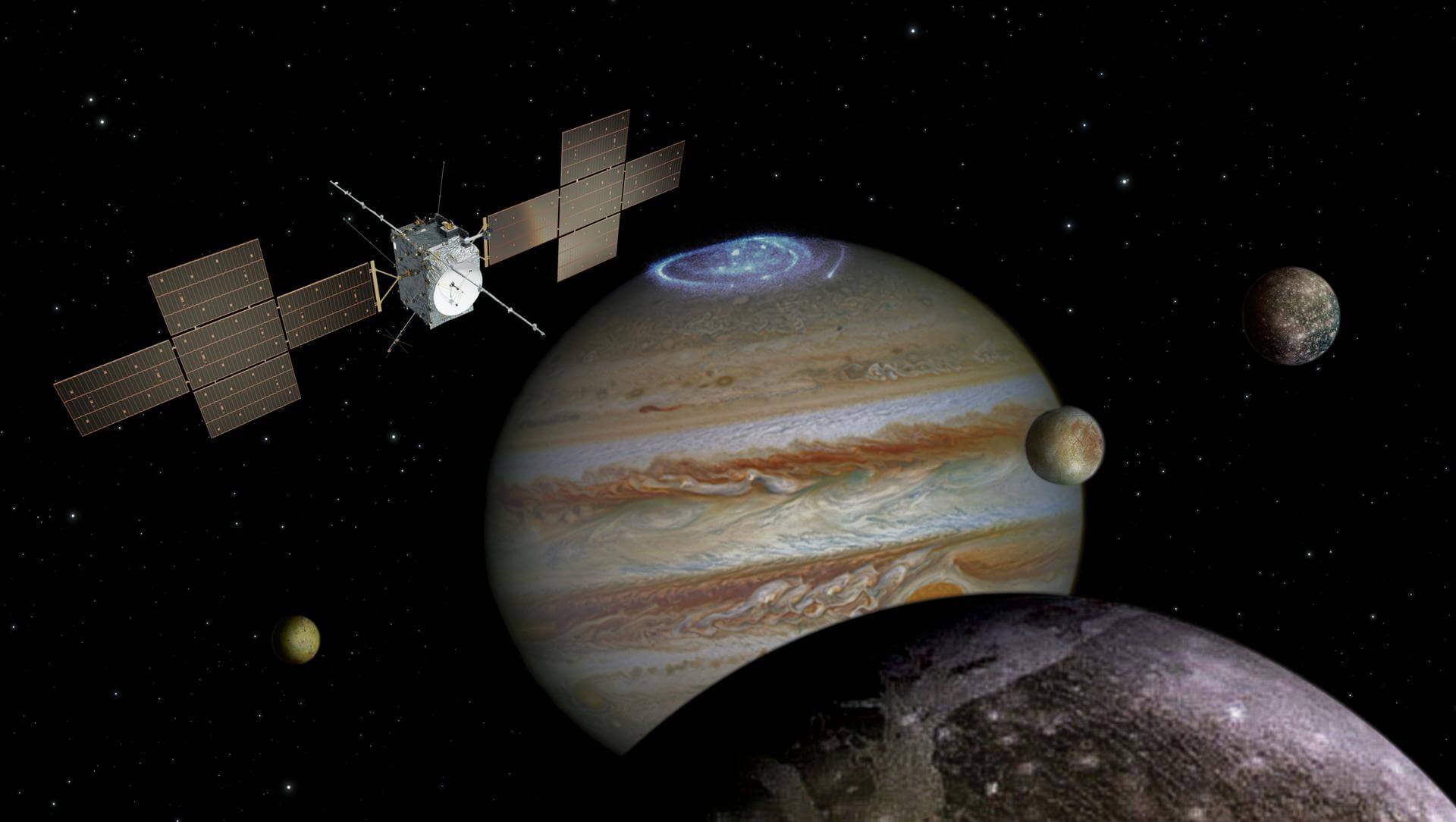
Flyby
Jan 31, 2029
Juice Earth Flyby
EarthFourth flyby of ESA's Jupiter Icy Moons Explorer (Juice) mission on its way to the Jovian system.
calendar_today Explore
Flyby
Jun 10, 2029
Solar Orbiter Venus Flyby
VenusSolar Orbiter, a partnership between ESA and NASA, will perform a gravity assist maneuver with Venus on June 10, 2029. Throughout its mission it also makes repeated gravity assist flybys of Venus to get closer to the Sun, and to change its orbital inclination, boosting it out of the ecliptic plane, to get the best – and first – views of the Sun’s poles.
calendar_today Explore
Flyby
Sep 03, 2030
Solar Orbiter Venus Flyby
VenusSolar Orbiter, a partnership between ESA and NASA, will perform a gravity assist maneuver with Venus on September 2, 2030. Throughout its mission it also makes repeated gravity assist flybys of Venus to get closer to the Sun, and to change its orbital inclination, boosting it out of the ecliptic plane, to get the best – and first – views of the Sun’s poles.
calendar_today Explore
Flyby
Dec 25, 2030
Lucy Earth Flyby
EarthThird and final Earth flyby of NASA's Lucy mission to the Trojan asteroids.
calendar_today Explore
Spacecraft Event
Jul 31, 2031
Hayabusa2 Asteroid 1998 KY26 Rendezvous
1998 KY26As part of its mission extension, JAXA's Hayabusa2 spacecraft will rendezvous with asteroid 1998 KY26.
calendar_today Explore
Orbital Insertion
Jul 31, 2031
Juice Jupiter Orbit Insertion
JupiterOrbital insertion of ESA's Jupiter Icy Moons Explorer (Juice) mission around Jupiter, using a Ganymede gravity assist flyby to reduce its velocity, followed by two engine burns.
calendar_today Explore
Flyby
Mar 03, 2033
Lucy Trojan Asteroids (617) Patroclus & Menoetius Flyby
(617) Patroclus & MenoetiusFlyby of the Trojan binary asteroid pair (617) Patroclus and Menoetius by NASA's Lucy mission.
calendar_today Explore
Orbital Insertion
Dec 31, 2034
Juice Ganymede Orbit Insertion
GanymedeOrbital insertion of ESA's Jupiter Icy Moons Explorer (Juice) mission around Ganymede.
calendar_today Explore
Spacecraft Event
Dec 31, 2035
Juice Ganymede Impact
GanymedeAfter running out of propellant to maintain its trajectory, ESA's Jupiter Icy Moons Explorer (Juice) spacecraft will impact Ganymede due to orbital perturbations.
calendar_today Explore