Flyby
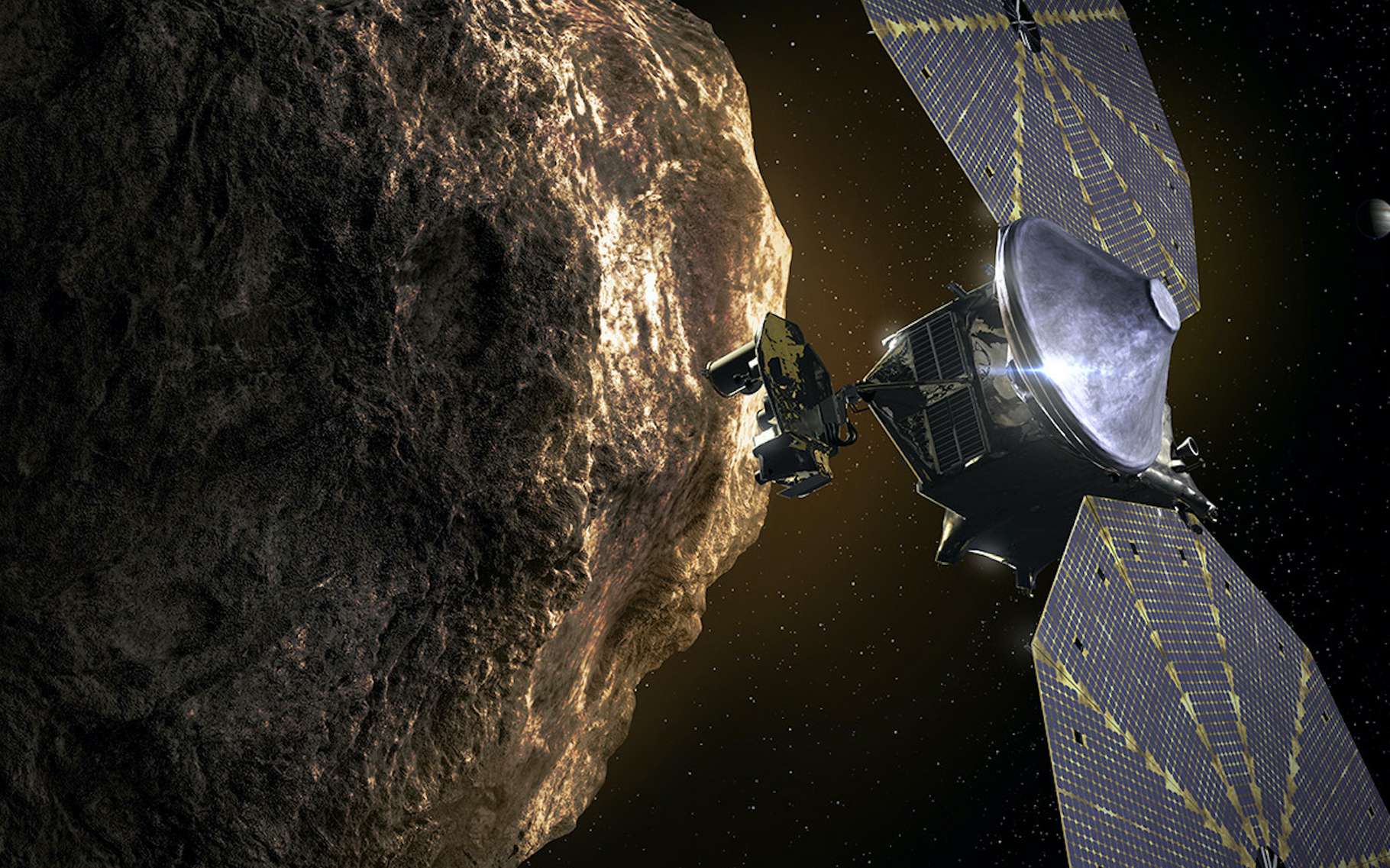
Lucy Trojan Asteroid (3548) Eurybates & Queta Flyby
(3548) Eurybates Atlas V 401 | Lucy
Flyby of the Trojan asteroid (3548) Eurybates and its satellite Queta by NASA's Lucy mission.
Related Information
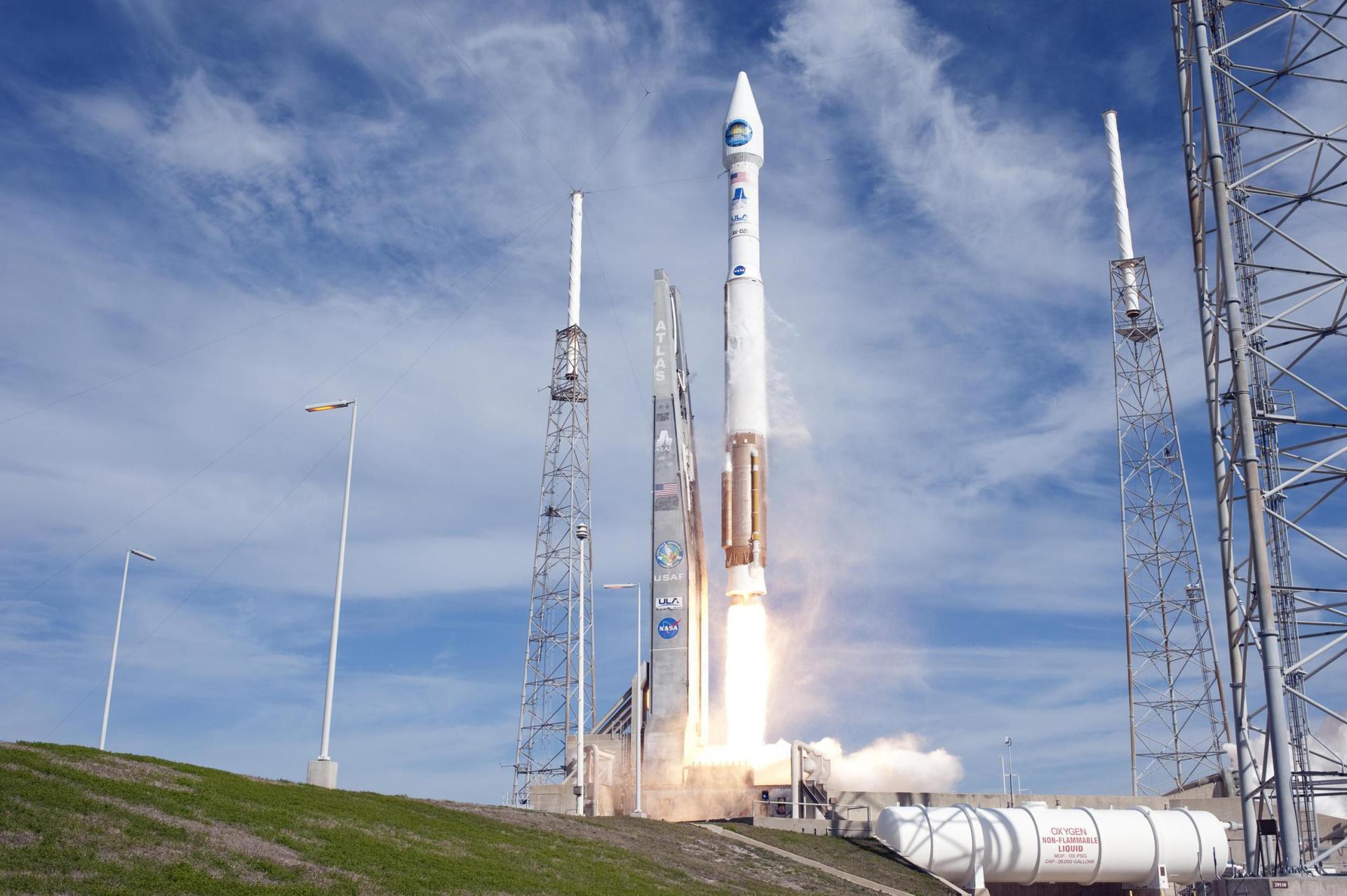
Atlas V 401 | Lucy
United Launch Alliance | United States of AmericaCape Canaveral SFS, FL, USA
Oct. 16, 2021, 9:34 a.m.
Status: Launch Successful
Mission:
Lucy is the first mission to explore and study Trojan asteroids. The Trojans are a type of asteroids that orbit the Sun in two groups, in front of and behind Jupiter in its orbit around our star. Since these asteroids have been in such stable orbits for billions of years, they are of great interest as remnants of early Solar System. Lucy is a NASA mission led by NASA Goddard and Southwest Research Institute in Boulder, Colorado. Over the course of 12 years, Lucy will fly by seven different Trojan asteroids and also one main belt asteroid. The complex trajectory to visit all targets will include several Earth gravity assists.
Heliocentric N/AFalcon 9
Project Starfall Demonstration Mission
Space Launch Complex 40 - Cape Canaveral SFS, FL, USANote: Mission profile and payload details are TBD. Demonstration mission for SpaceX’s Project Starfall, which aims to mass-produce reentry capsule…
Long March 7A
TJSW-26A
201 - Wenchang Space Launch Site, People's Republic of ChinaChinese classified satellite claimed to be for communication technology test purposes. Actual mission not known.
Falcon 9
Starlink Group 17-28
Space Launch Complex 4E - Vandenberg SFB, CA, USAA batch of 24 satellites for the Starlink mega-constellation - SpaceX's project for space-based Internet communication system.
Electron
VICTUS HAZE Puma
Rocket Lab Launch Complex 1A - Rocket Lab Launch Complex 1, Mahia Peninsula, New ZealandVICTUS HAZE will see Rocket Lab design, build, launch, and operate a rendezvous proximity operation (RPO) capable spacecraft. U.S. Space Force Space …
Falcon 9
NROL-179
Space Launch Complex 4E - Vandenberg SFB, CA, USAFourteenth batch of satellites for a reconnaissance satellite constellation built by SpaceX and Northrop Grumman for the National Reconnaissance Offi…
Ariane 64
Amazon Leo (LE-03)
Ariane Launch Area 4 - Guiana Space Centre, French GuianaAmazon Leo, formerly known as Project Kuiper, is a mega constellation of satellites in Low Earth Orbit that will offer broadband internet access, thi…
Falcon 9
BlueBird Block 2 #3-5
Space Launch Complex 40 - Cape Canaveral SFS, FL, USAAST SpaceMobile’s Block 2 BlueBird satellites are designed to deliver up to 10 times the bandwidth capacity of the BlueBird Block 1 satellites, requi…
Kuaizhou 11
CentiSpace-1 Group 05
Launch Area 95A - Jiuquan Satellite Launch Center, People's Republic of ChinaNote: Unofficial reports indicate there may be 1 or more additional satellites that failed to separate from the upper stage, however this is not offi…
Long March 12
SatNet LEO Group 22
Commercial LC-2 - Wenchang Space Launch Site, People's Republic of ChinaA batch of 9 Low Earth Orbit communication satellites for the Chinese state owned SatNet constellation operated by the China Satellite Network Group.…
Long March 3B/E
Shijian 31
Launch Complex 2 (LC-2) - Xichang Satellite Launch Center, People's Republic of ChinaClassified experimental Chinese satellite of unknown purposes (officially described for "spatial environment detection" purposes).

