SLS Block 1B | Artemis IV
To Be Determined
L - -- : -- : -- : --


Artemis IV is planned to be the first human lunar landing mission since the Apollo Program.

NET first half of 2028.
NET September 2028.

NET September 2028
The Space Launch System (SLS) is an American Space Shuttle-derived heavy expendable launch vehicle. It is part of NASA's deep space exploration plans including as the main launch vehicle of the Artemis program. SLS follows the cancellation of the Constellation program, and is to replace the retired Space Shuttle.
See DetailsThe National Aeronautics and Space Administration is an independent agency of the executive branch of the United States federal government responsible for the civilian space program, as well as aeronautics and aerospace research. NASA have many launch facilities but most are inactive. The most commonly used pad will be LC-39B at Kennedy Space Center in Florida.
INFO WIKI
"Requirements are being adjusted to reflect near-term mission needs."

The NASA and contractor workforce continues to make progress ahead of next year’s Artemis III… The post SLS picks up the pace, four vehicles in production appeared first on NASASpaceFlight.com.
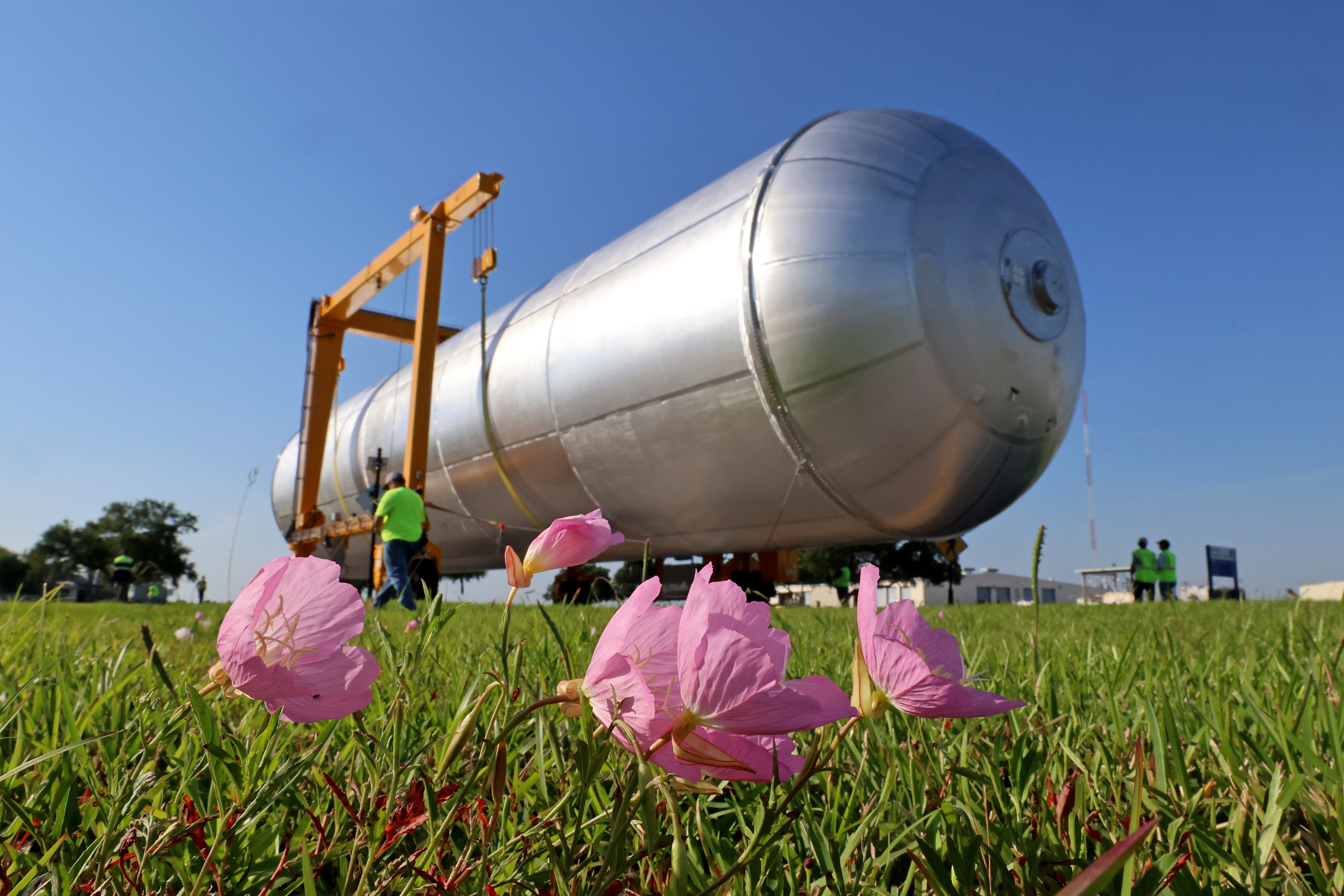
Crews at NASA’s Michoud Assembly Facility in New Orleans transport the 130-foot-tall Artemis IV liquid hydrogen tank out of a production cell inside the main factory building into a detached test building on a separate portion of the 829-a…
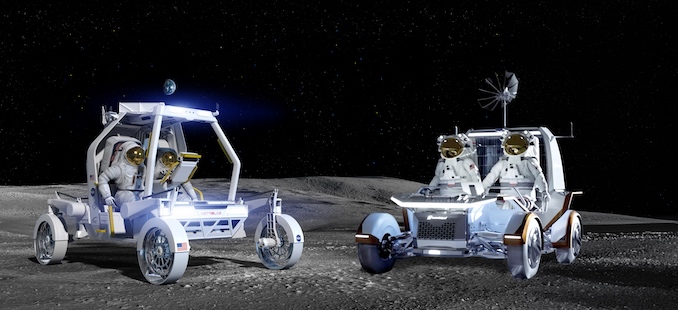
On May 26, NASA selected two lunar terrain vehicle providers to create iterative versions of their prior LTV designs that can deploy to the Moon in more timely and cost-effective manner.

NASA has provided more details about the revised approaches that Blue Origin and SpaceX are taking to accelerate work on Artemis lunar landers. The post Revised Artemis lunar lander plans take shape appeared first on SpaceNews.
Share-ride of 9 commercial Earth observation and technology demonstration satellites to SSO, details TBD.
A batch of 27 satellites for the Starlink mega-constellation - SpaceX's project for space-based Internet communication system.
4 X-band synthetic-aperture radar Earth observation satellites for the Chinese Earth observation satellite company PIESAT.
Synthetic aperture radar satellite for Japanese Earth imaging company Synspective.
Note: Satellite serial number and Cosmos designation not confirmed. Glonass-K are the third generation of satellite design for GLONASS satellite n…
2 Earth observation radar satellites built by the Chinese satellite manufacturer SpaceTY.
USSF-259 is a classified mission for the United States Space Force. It is possibly a batch of classified LEO satellites based on SpaceX’s Starshield …
A batch of 9 Low Earth Orbit communication satellites for the Chinese state owned SatNet constellation operated by the China Satellite Network Group.…
Progress resupply mission to the International Space Station.
9 Low Earth Orbit communication satellites with Ku, Q and V band payloads for the G60 constellation operated by Shanghai Spacesail Technologies with …