SLS Block 1 | Artemis II
Launch Successful
L - -- : -- : -- : --
Launch Window
-


-
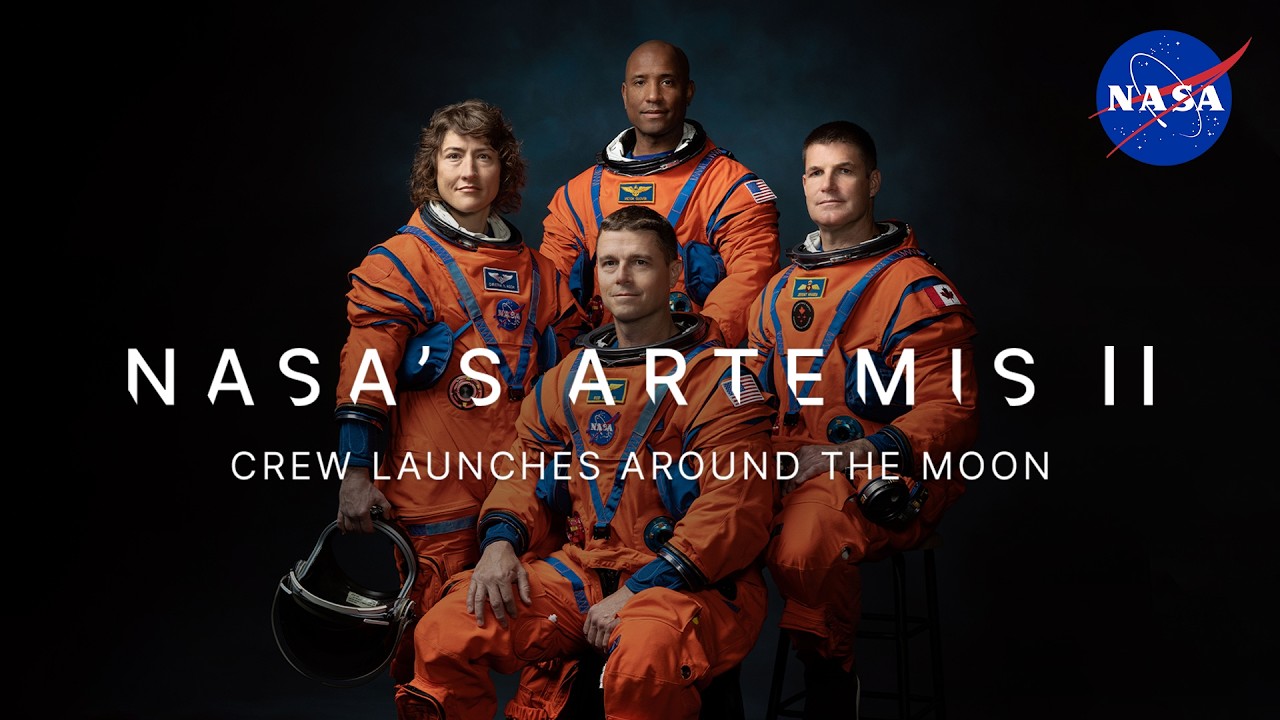
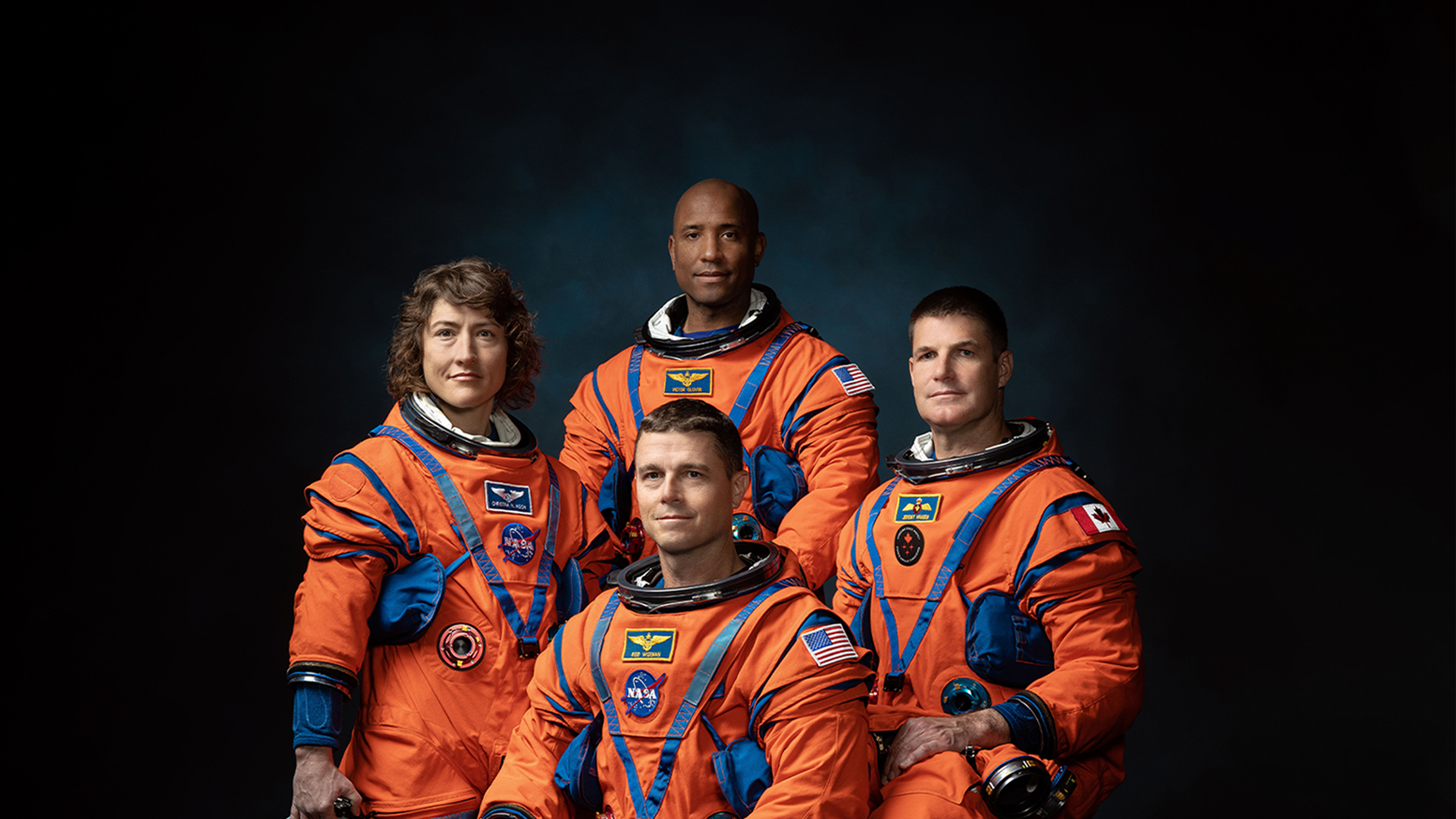
Artemis II is the first crewed mission as part of the Artemis program. Artemis II will send a crew of 4 - 3 Americans and 1 Canadian around the moon and return them back to Earth. The mission will test the core systems of NASA's Orion spacecraft including the critical life support system, among other systems which could not be tested during Artemis I due to the lack of crew onboard.
Launch trajectory and telemetry simulations provided by Flight Club - a rocket launch simulator and orbital trajectory visualiser for all things space!

Launch success with Orion separation.
Liftoff.
New T-0.
Extending hold at T-10 minutes.
Updated launch weather.
The Space Launch System (SLS) is an American Space Shuttle-derived heavy expendable launch vehicle. It is part of NASA's deep space exploration plans including as the main launch vehicle of the Artemis program. SLS follows the cancellation of the Constellation program, and is to replace the retired Space Shuttle.
See DetailsOrion spacecraft used for Artemis 2.
Orion Details
Date of
Birth: Nov. 11, 1975
Age: 50
Date of
Birth: April 30, 1976
Age: 50
Date of
Birth: Jan. 27, 1976
Age: 50
Date of
Birth: Jan. 29, 1979
Age: 47
The National Aeronautics and Space Administration is an independent agency of the executive branch of the United States federal government responsible for the civilian space program, as well as aeronautics and aerospace research. NASA have many launch facilities but most are inactive. The most commonly used pad will be LC-39B at Kennedy Space Center in Florida.
INFO WIKI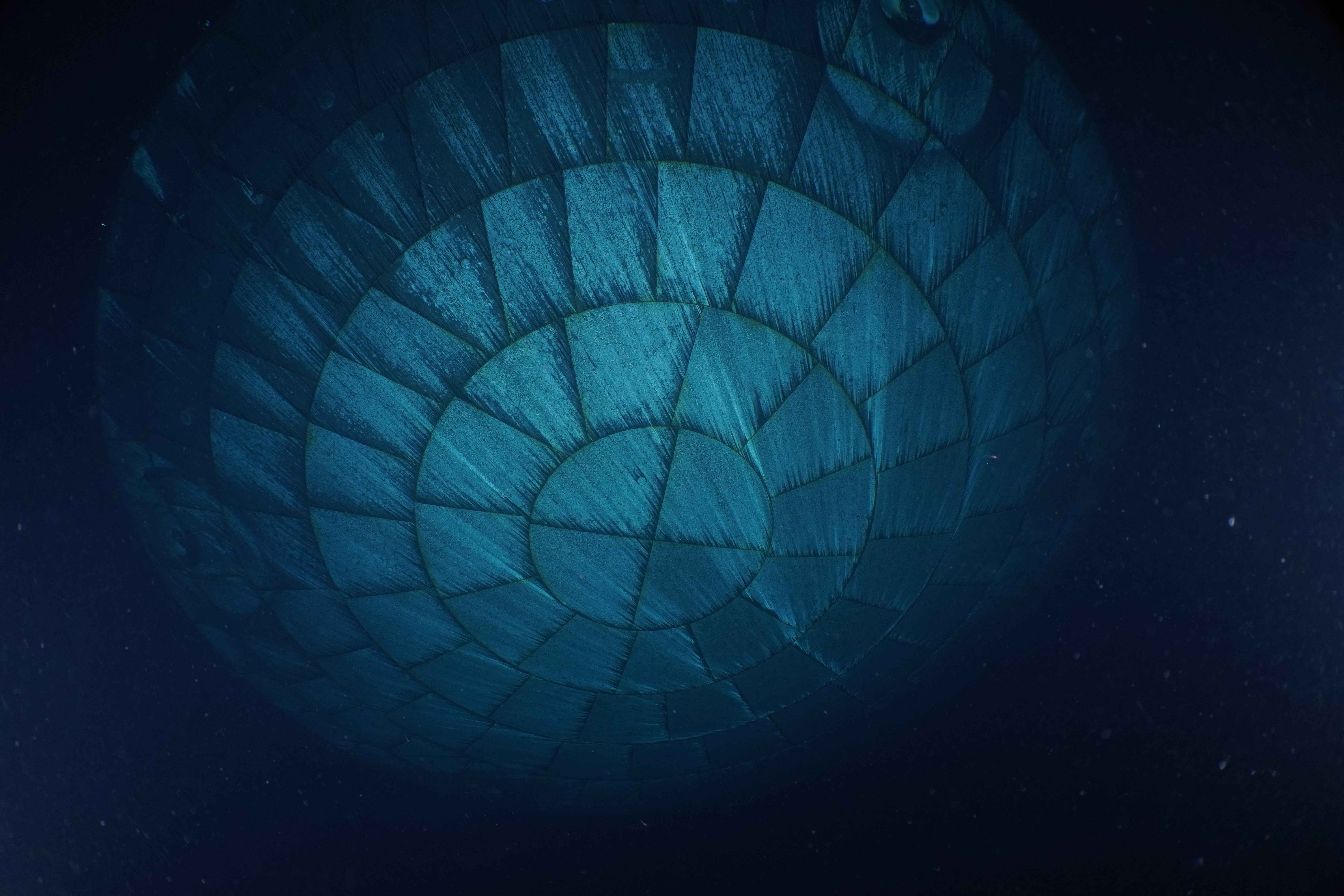
Shortly after NASA’s Artemis II mission splashed down on April 10, 2026, U.S. Navy divers captured underwater imagery of the Orion spacecraft’s heat shield. In the months after, the agency measured whether the thermal protection system eff…
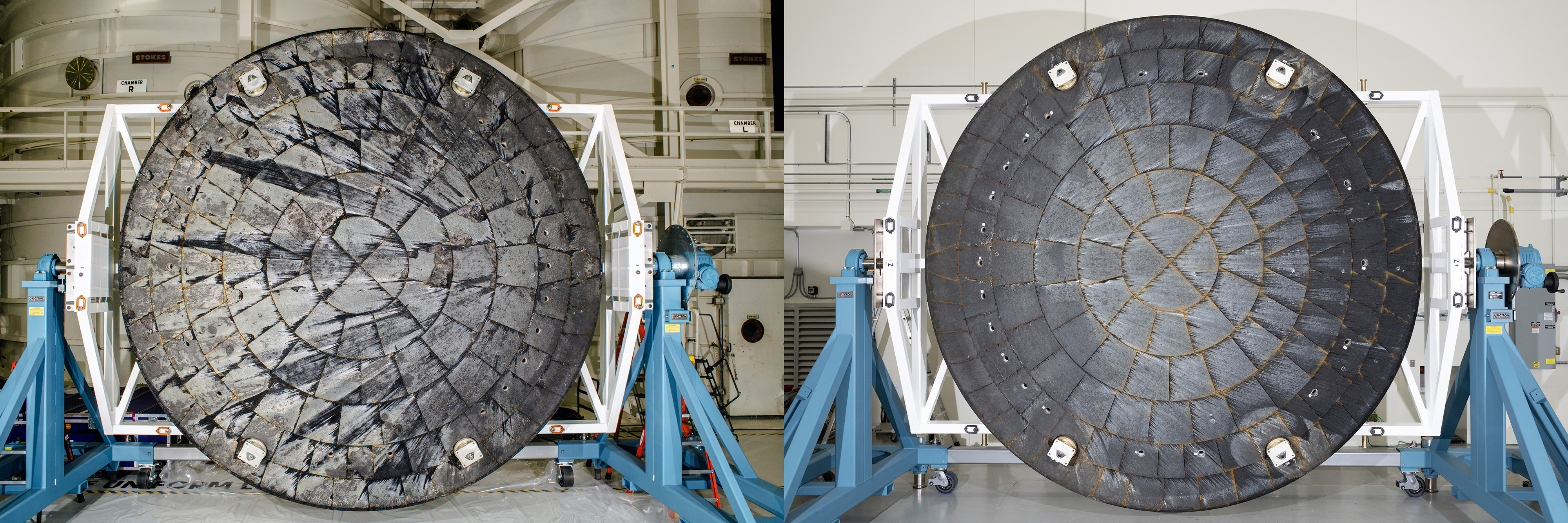
NASA’s Artemis II mission sent four astronauts around the Moon and brought them safely back to Earth, laying a foundation for crewed flights to the Moon’s surface. Additional engineering data analysis of the Orion spacecraft’s heat shield …
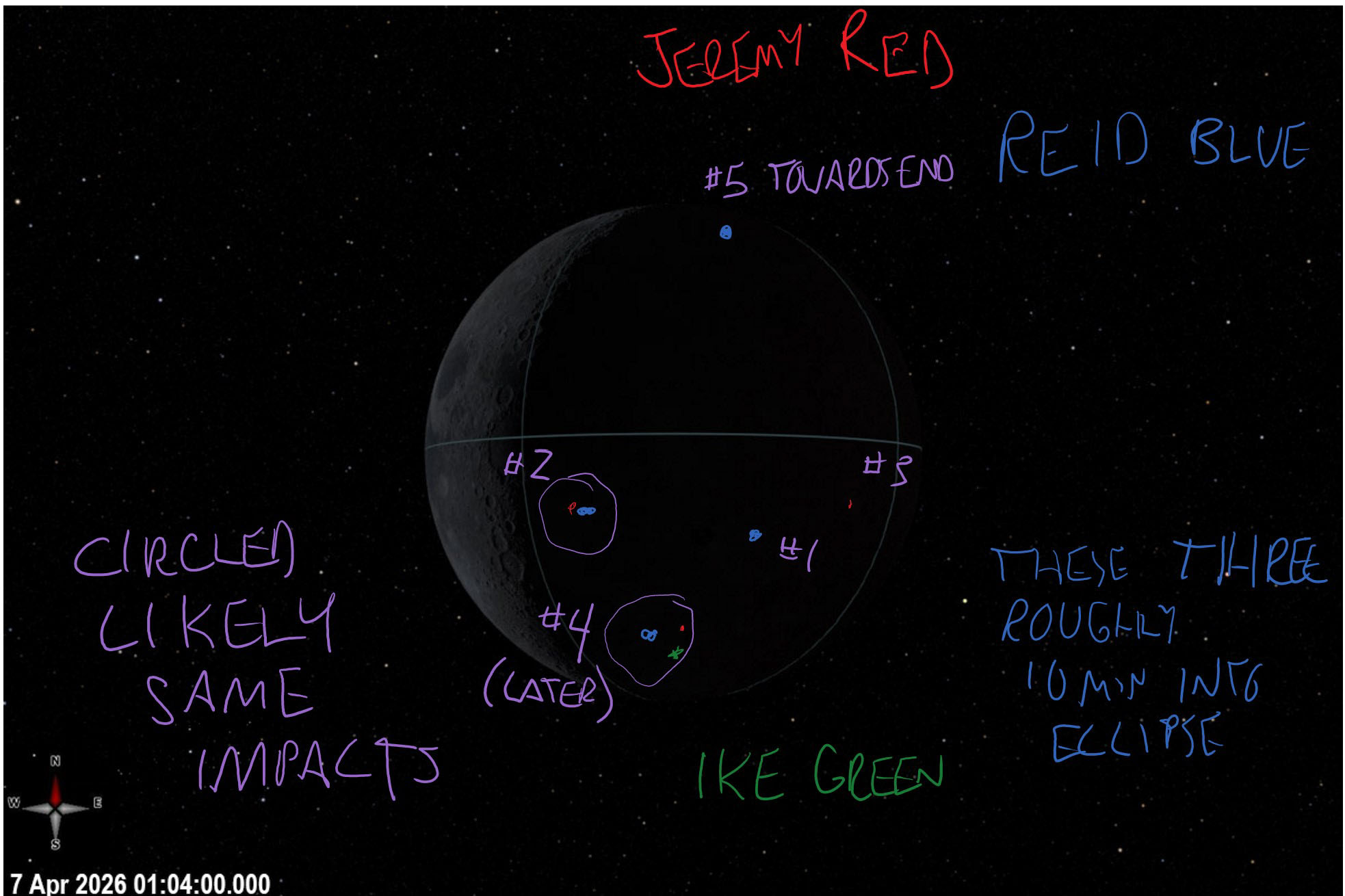
A visualization of a dark Moon eclipsing the Sun is marked with handwritten notes in this April 6, 2026, screenshot from an Artemis II crew member’s tablet. NASA astronauts Reid Wiseman (in blue) and Victor “Ike” Glover (in green) and CSA …
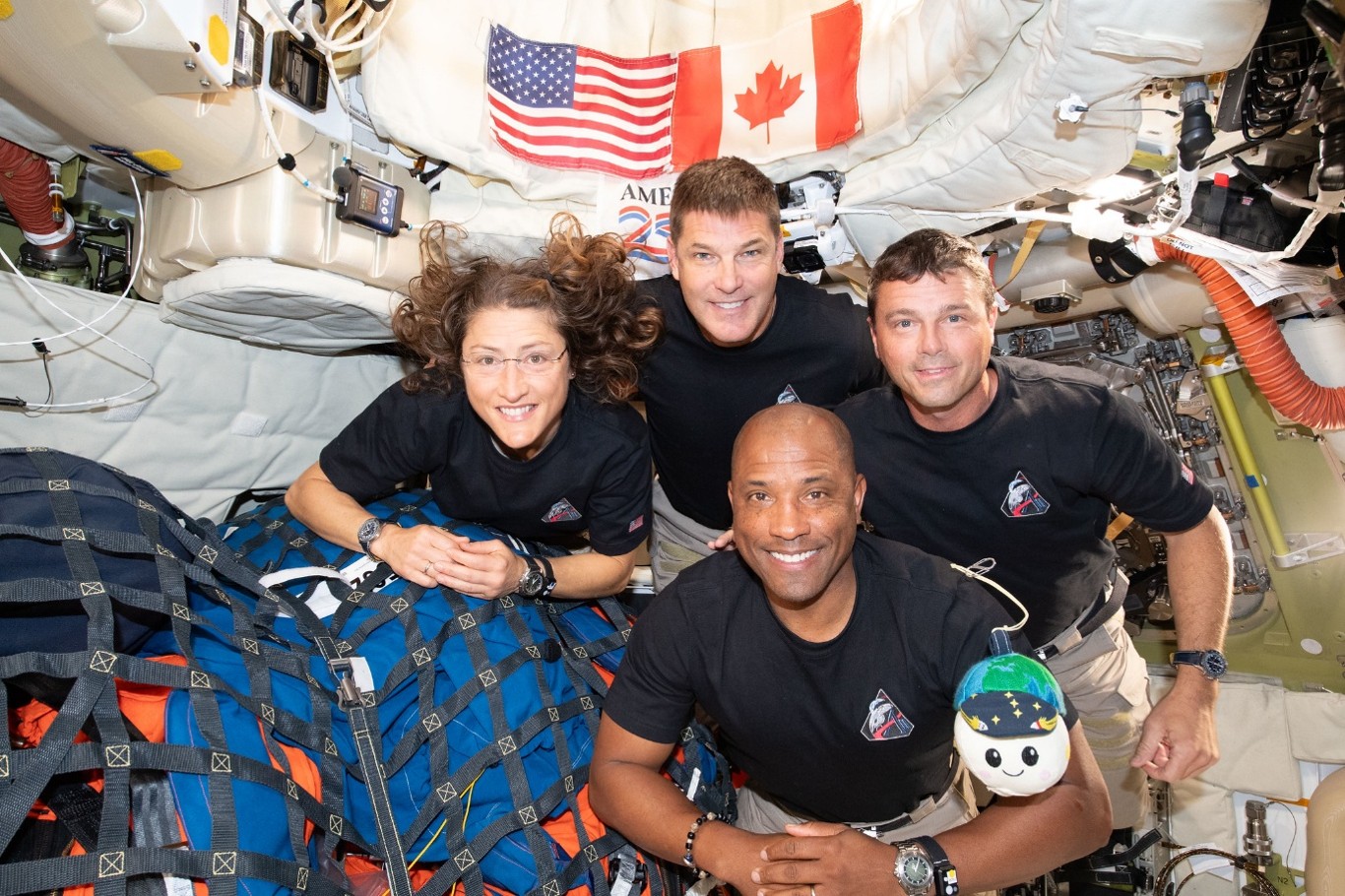
The four astronauts of NASA’s Artemis II mission will participate in an event hosted by industry and community partners at the University of Houston to discuss their mission around the Moon aboard the Orion spacecraft. It will be the first…
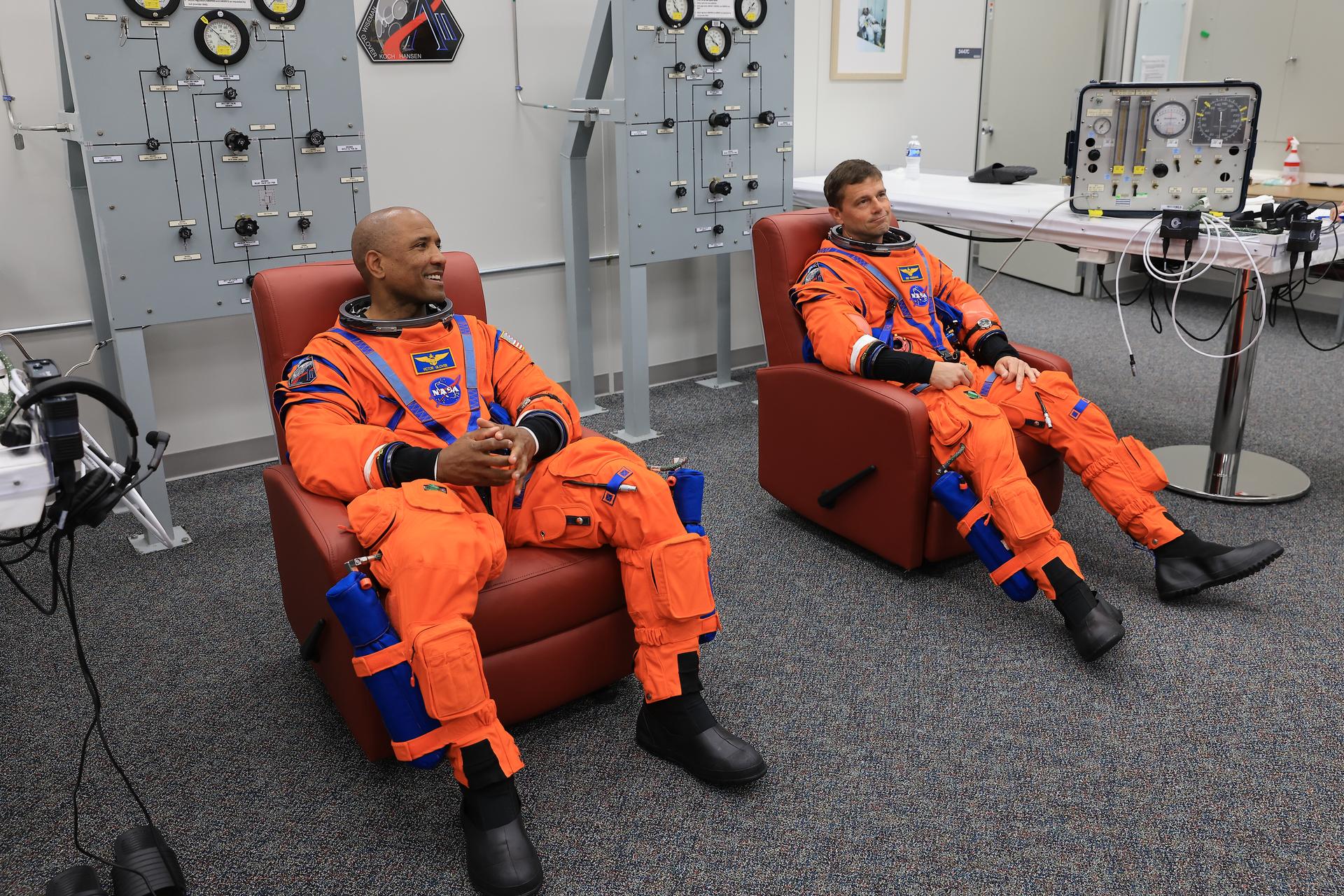
Following their landmark Artemis II mission earlier this year, distinguished NASA astronauts Victor Glover and Reid Wiseman are transitioning in September to emeritus status at the agency’s Johnson Space Center in Houston. In an emeritus r…
A batch of 9 Low Earth Orbit communication satellites for the Chinese state owned SatNet constellation operated by the China Satellite Network Group.…
Note: Payload identity uncertain. Glonass-K are the third generation of satellite design for GLONASS satellite navigation system. GLONASS is a Rus…
A classified mission for the United States Space Force. It is possibly a batch of classified LEO satellites based on SpaceX’s Starshield satellite bu…
Share-ride of 4 commercial Earth observation and technology demonstration satellites to SSO, details TBD.
3 Chinese military “remote sensing” satellite of unknown purposes.
18 Low Earth Orbit communication satellites with Ku, Q and V band payloads for the G60 constellation operated by Shanghai Spacesail Technologies with…
Synthetic aperture radar Earth observation satellite for Japanese Earth imaging company iQPS.
A batch of 27 satellites for the Starlink mega-constellation - SpaceX's project for space-based Internet communication system.
This is a replacement satellite for the Indian Regional Navigation Satellite System. The constellation will provide India with an alternative to GPS …
A batch of 27 satellites for the Starlink mega-constellation - SpaceX's project for space-based Internet communication system.

 View in Flightclub