Pegasus XL | Swift Boost Mission
Launch Successful
L - -- : -- : -- : --
Instantaneous launch window.
Launch Window
-


Instantaneous launch window.
-
Contracted by NASA under the Small Business Innovation Research Phase 3 contract, Katalyst Space Technologies' LINK servicing spacecraft will rendezvous and attach to NASA’s Neil Gehrels Swift Observatory to re-boost its orbit. This aims to demonstrate a key capability for the future of space exploration and extending the Swift mission’s science lifetime in gamma ray astronomy.

Launched and reached orbit.

Rescheduled for July 3.
Scrub due to launch vehicle issue.

Delayed again due to weather

Scrubbed due to weather
The Pegasus is an air-launched rocket developed by Orbital Sciences Corporation (now part of Northrop Grumman Innovation Systems). Capable of carrying small payloads of up to 443 kilograms (977 lb) into low Earth orbit, the vehicle consists of three solid propellant stages and an optional monopropellant fourth stage. Pegasus is released from its carrier aircraft at approximately 40,000 ft (12,000 m), and its first stage has a wing and a tail to provide lift and attitude control while in the atmosphere.
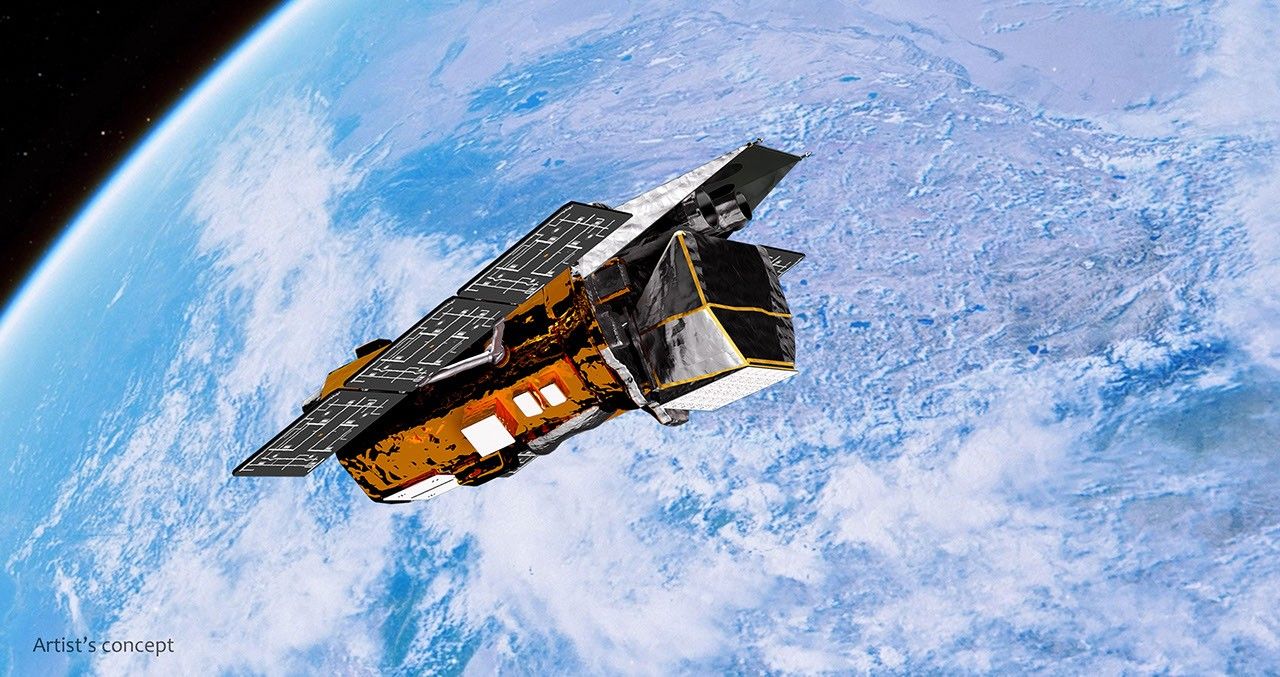
NASA’s Neil Gehrels Swift Observatory has ended its science mission now that the spacecraft is orbiting less than 171 miles (275 kilometers) above Earth’s surface. The greater atmospheric drag at this height prevents the satellite’s telesc…
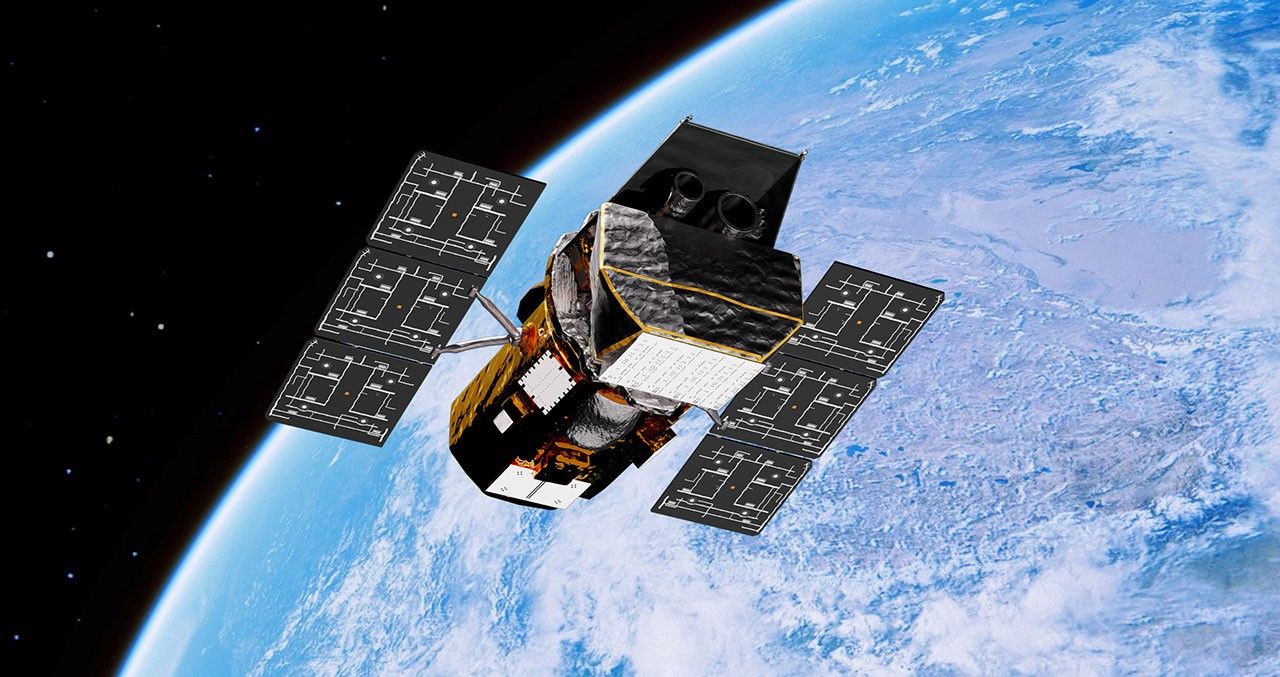
A commercial mission to boost NASA’s Swift observatory concluded without raising the spacecraft’s orbit, but the agency and industry vendor gained valuable experience that will benefit future in-space servicing programs.
The bold mission to extend the lifetime of NASA’s Swift observatory is coming to an end in the next 24 hours. Almost exactly one year after NASA signed a contract […]
Katalyst Space’s efforts to reboost NASA’s Swift observatory has encountered a setback. The LINK on-orbit servicing spacecraft is in a multi-axis spin. LINK must attach itself to Swift and raise […]

A spacecraft launched nearly a month ago in a high-risk bid to boost the orbit of a NASA astrophysics satellite is suffering attitude control problems that could jeopardize its mission. The post Swift reboost mission encounters attitude c…
A batch of 9 Low Earth Orbit communication satellites for the Chinese state owned SatNet constellation operated by the China Satellite Network Group.…
Note: Payload identity uncertain. Glonass-K are the third generation of satellite design for GLONASS satellite navigation system. GLONASS is a Rus…
A classified mission for the United States Space Force. It is possibly a batch of classified LEO satellites based on SpaceX’s Starshield satellite bu…
Share-ride of 4 commercial Earth observation and technology demonstration satellites to SSO, details TBD.
3 Chinese military “remote sensing” satellite of unknown purposes.
18 Low Earth Orbit communication satellites with Ku, Q and V band payloads for the G60 constellation operated by Shanghai Spacesail Technologies with…
Synthetic aperture radar Earth observation satellite for Japanese Earth imaging company iQPS.
A batch of 27 satellites for the Starlink mega-constellation - SpaceX's project for space-based Internet communication system.
This is a replacement satellite for the Indian Regional Navigation Satellite System. The constellation will provide India with an alternative to GPS …
A batch of 27 satellites for the Starlink mega-constellation - SpaceX's project for space-based Internet communication system.