Atlas V 401 | LRO/LCROSS
Launch Successful
L - -- : -- : -- : --
Instantaneous launch window.
Launch Window
-


Instantaneous launch window.
-


The Lunar Reconnaissance Orbiter (LRO) is a NASA robotic spacecraft currently orbiting the Moon in an eccentric polar mapping orbit.[6][7] Data collected by LRO have been described as essential for planning NASA's future human and robotic missions to the Moon.[8] Its detailed mapping program is iden...
LRO is the Lunar Reconnaissance Orbiter for NASA. Used to map the moon to identify safe landing sites, locating potential resources, characterizing the radiation environment and demonstrating new technologies. The LCROSS is the Lunar Crater Observation and Sensing Satellite, also for NASA. A low cost satellite in order to confirm the existance of water in the southern lunar crater, Cabeus.
An Atlas V with a 4 meter diameter fairing, no boosters and a single centaur upper stage engine.
See DetailsUnited Launch Alliance (ULA) is a joint venture of Lockheed Martin Space Systems and Boeing Defense, Space & Security. ULA was formed in December 2006 by combining the teams at these companies which provide spacecraft launch services to the government of the United States. ULA launches from both coasts of the US. They launch their Atlas V vehicle from LC-41 in Cape Canaveral and LC-3E at Vandeberg. Their Delta IV launches from LC-37 at Cape Canaveral and LC-6 at Vandenberg.
INFO WIKI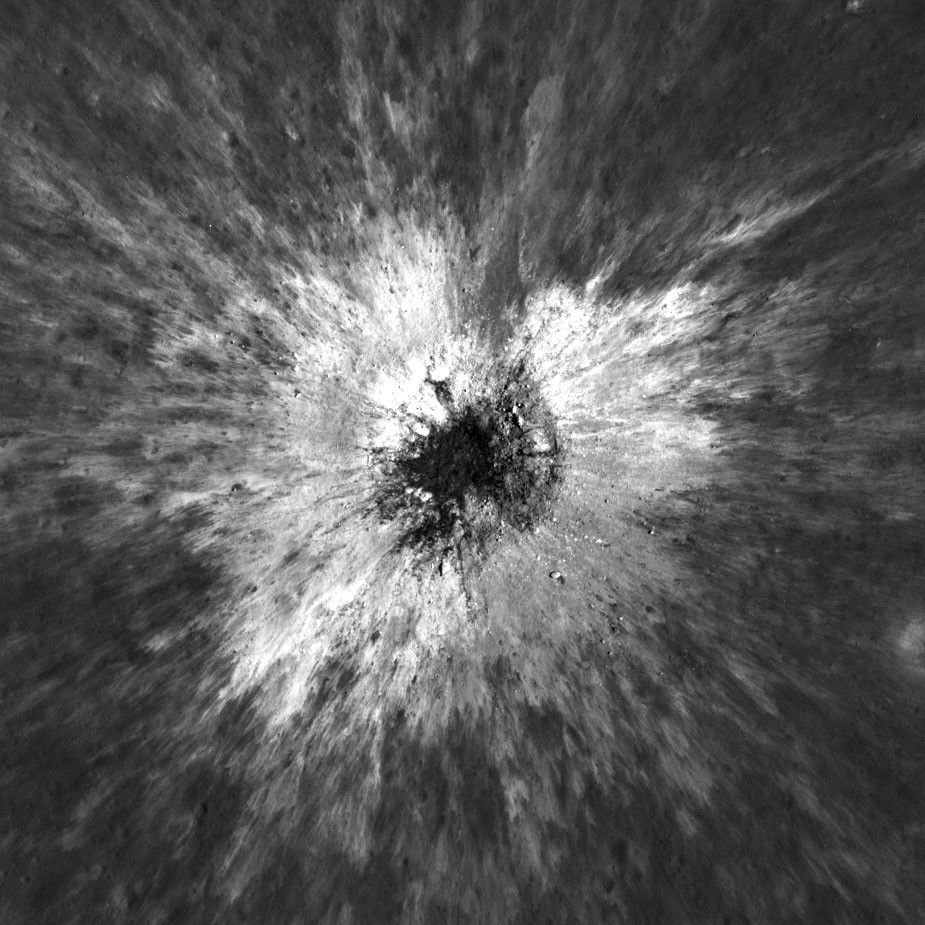
APOD Science APOD APOD: 2026 September 23 – A… Today’s APOD Archive Submissions Index Search Calendar RSS Education About Discuss APOD Astronomy Picture of the Day Discover the cosmos! Each day a different image or photograph of our fasc…

Using NASA’s Lunar Reconnaissance Orbiter, a team of scientists has discovered the largest, newly formed… The post LRO discovers large new lunar crater, finds interesting thermal emission phenomenon appeared first on NASASpaceFlight.com.
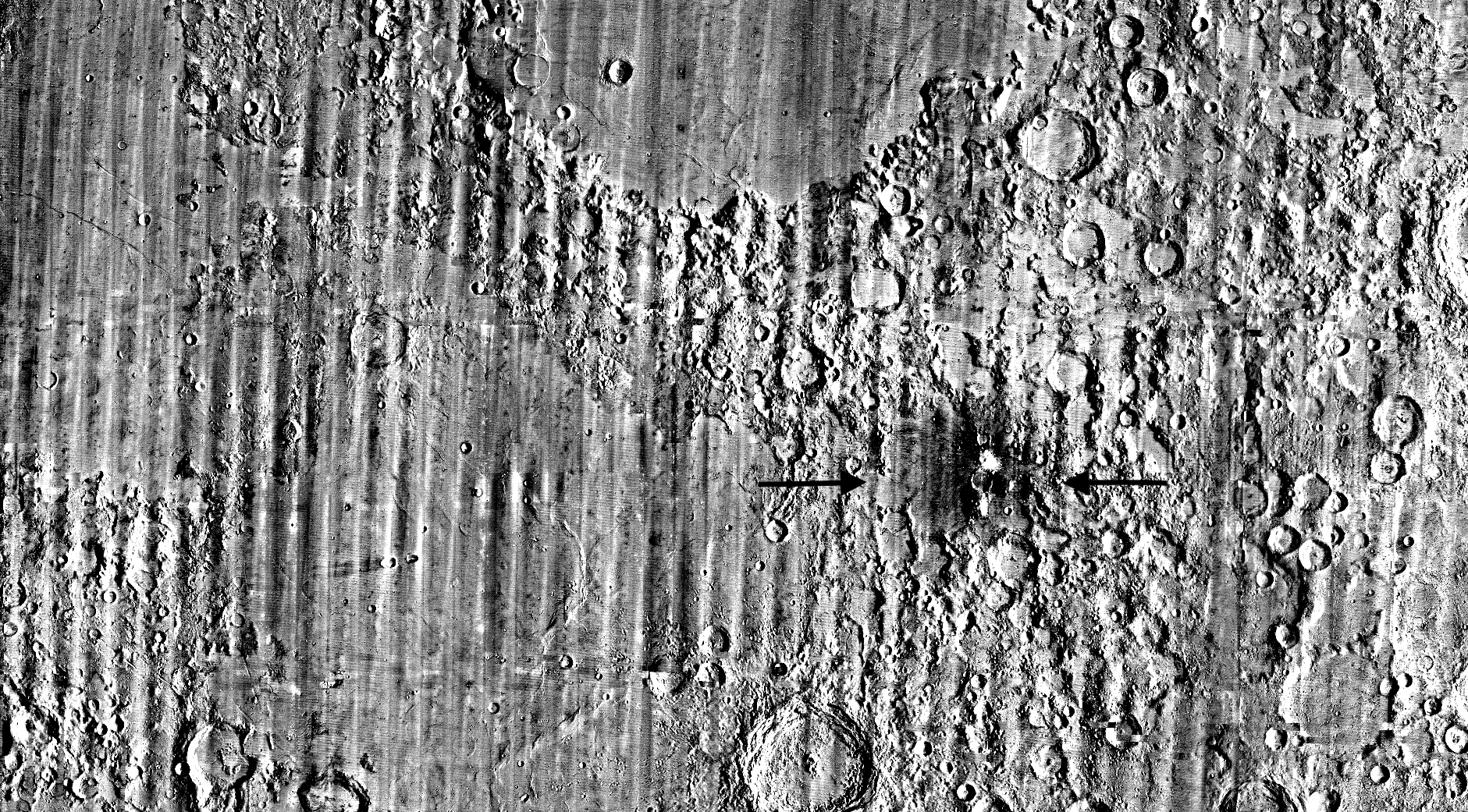
It started as a routine data-quality check. But as Robert Wagner, a scientist with NASA’s Lunar Reconnaissance Orbiter (LRO), scanned a giant Moon map on his computer screen, an unusually large bright spot circled by a dark halo caught his…

While Earth and Mars are known for their intense surface quakes, other terrestrial bodies in… The post Scientists investigate moonquakes using Apollo 17 samples, LRO observations appeared first on NASASpaceFlight.com.

Moonquakes pose little risk to astronauts during a mission lasting just a few days. But their effects on longer-term lunar surface assets could be significant.
3 Chinese reconnaissance satellites of unknown purposes, officially reported as for "Electromagnetic environment probing".
A batch of 9 Low Earth Orbit communication satellites for the Chinese state owned SatNet constellation operated by the China Satellite Network Group.…
Share-ride of 9 commercial Earth observation and technology demonstration satellites to SSO, details TBD.
A batch of 27 satellites for the Starlink mega-constellation - SpaceX's project for space-based Internet communication system.
4 X-band synthetic-aperture radar Earth observation satellites for the Chinese Earth observation satellite company PIESAT.
Synthetic aperture radar satellite for Japanese Earth imaging company Synspective.
Note: Satellite serial number and Cosmos designation not confirmed. Glonass-K are the third generation of satellite design for GLONASS satellite n…
2 Earth observation radar satellites built by the Chinese satellite manufacturer SpaceTY.
USSF-259 is a classified mission for the United States Space Force. It is possibly a batch of classified LEO satellites based on SpaceX’s Starshield …
A batch of 9 Low Earth Orbit communication satellites for the Chinese state owned SatNet constellation operated by the China Satellite Network Group.…