Antares 230+ | Cygnus CRS-2 NG-18 (S.S. Sally Ride)
Launch Successful
L - -- : -- : -- : --
Launch Window
-


-
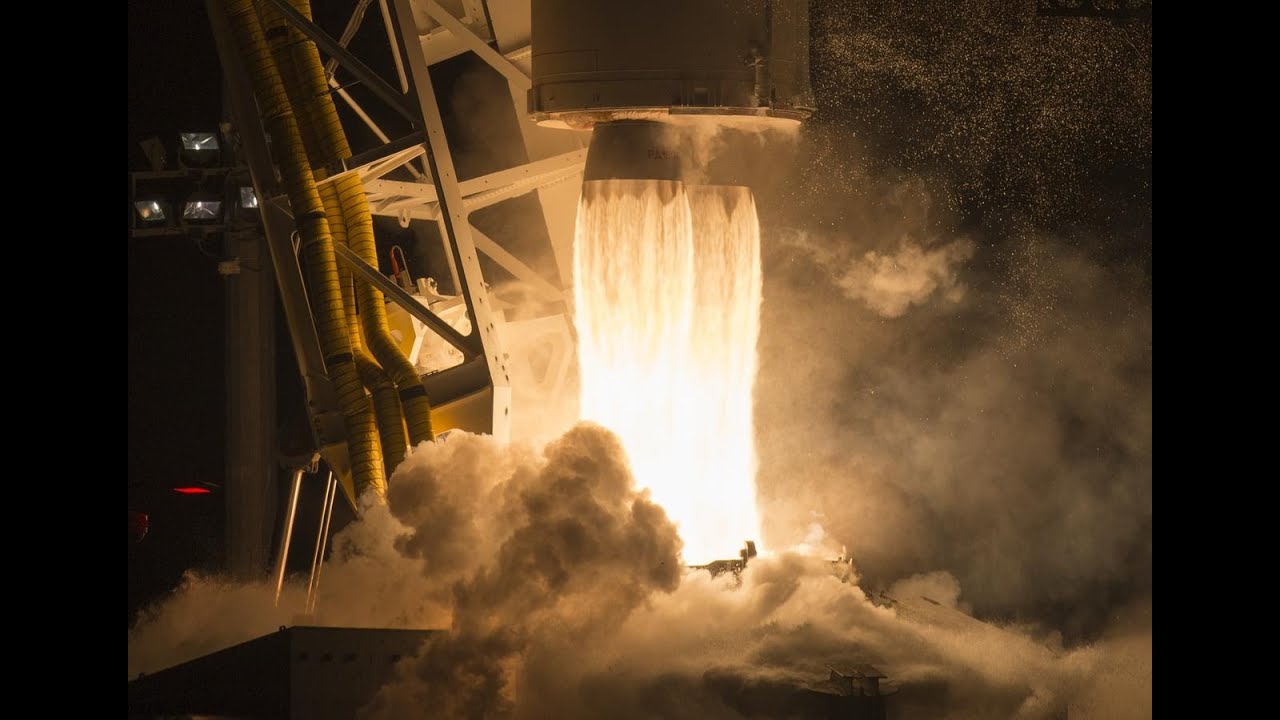
This is the 18th flight of the Orbital ATK's uncrewed resupply spacecraft Cygnus and its 17th flight to the International Space Station under the Commercial Resupply Services contract with NASA.
Launch trajectory and telemetry simulations provided by Flight Club - a rocket launch simulator and orbital trajectory visualiser for all things space!

Successful launch of the Cygnus NG-18 resupply cargo spacecraft towards the International Space Station

Liftoff
Extended hold at L-11 minutes
Webcast live
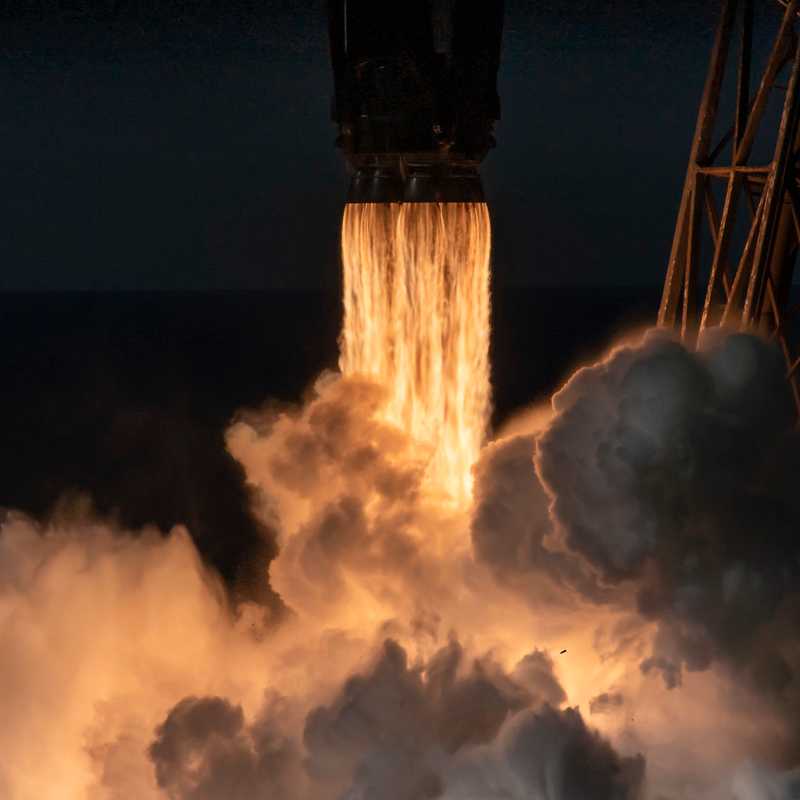
Adding launch window, weather 70% as of this morning
Antares known during early development as Taurus II, is an expendable launch system developed by Orbital Sciences Corporation (now part of Northrop Grumman Innovation Systems after Northrop Grumman acquired Orbital ATK) and the Yuzhnoye Design Bureau to launch the Cygnus spacecraft to the International Space Station as part of NASA's COTS and CRS programs. Able to launch payloads heavier than 5,000 kg (11,000 lb) into low-Earth orbit, Antares is the largest rocket operated by Orbital ATK. Antares launches from the Mid-Atlantic Regional Spaceport and made its inaugural flight on April 21, 2013.
See DetailsThis is the eighteenth flight to the ISS by the Cygnus spacecraft under the CRS program and their seventh under the CRS-2 program. This is also the 14th use of the enhanced size Cygnus.
Cygnus Enhanced DetailsNorthrup Grumman Space Systems designs, builds and delivers space, defence and aviation-related systems to customers around the world. They aquired Orbital ATK in 2018 along with its launchers and ongoing missions.
INFO WIKI
Carrying more than 8,200 pounds of supplies, scientific investigations, commercial products, hardware, and other cargo to the orbiting laboratory for NASA, Northrop Grumman’s uncrewed Cygnus spacecraft is scheduled to depart the Internatio…

A Northrop Grumman Cygnus supply ship arrived at the International Space Station Wednesday, overcoming a deployment failure on one of its two power-generating solar arrays to deliver 4.1 tons of cargo and experiments to the complex.

A Northrop Grumman Cygnus cargo spacecraft arrived at the International Space Station Nov. 9 despite having only one of its two solar arrays deployed.

NASA is weighing whether it is safe for a Northrop Grumman Cygnus cargo spacecraft to approach the International Space Station because one of two solar array failed to deploy hours after launch Nov. 7.

A Northrop Grumman Cygnus cargo spacecraft is on its way to the International Space Station after a successful launch Nov. 7 on the next-to-last flight of the current version of the company’s Antares rocket.
A classified mission for the United States Space Force. It is possibly a batch of classified LEO satellites based on SpaceX’s Starshield satellite bu…
Ride-share of 10 satellites to sun-synchronous orbit, including: * Guangchuan-03 & 04 (LT-03/04) from LandSpace's subsidiary LandTower for testing…
35th commercial resupply services mission to the International Space Station operated by SpaceX. The flight will be conducted under the second Commer…
A batch of 27 satellites for the Starlink mega-constellation - SpaceX's project for space-based Internet communication system.
Tranche 1 Transport Layer A is one of six missions by the United States Space Force Space Development Agency (SDA) for the Proliferated Warfighter Sp…
A batch of 9 Low Earth Orbit communication satellites for the Chinese state owned SatNet constellation operated by the China Satellite Network Group.…
NeonSat-2 to 6 are part of the South Korean government's Earth observation micro-satellite constellation NeonSat (New-space Earth Observation Satelli…
Classified payload for the US National Reconnaissance Office.
Dedicated rideshare flight to a sun-synchronous orbit with dozens of small microsatellites and nanosatellites for commercial and government customers.
SpaceX Crew-13 is the thirteenth crewed operational flight of a Crew Dragon spacecraft to the International Space Station as part of NASA's Commercia…

 View in Flightclub