Press Event
GOES-U Prelaunch News Conference
Kennedy Space Center Falcon Heavy | GOES-U
Prelaunch news conference at Kennedy (following completion of the Launch Readiness Review), with the following participants:
- Denton Gibson, launch director, Launch Services Program, NASA
- Steve Volz, assistant administrator, NOAA’s Satellite and Information Service
- Pam Sullivan, director, GOES-R Program, NOAA
- John Gagosian, director, Joint Agency Satellite Division
- Julianna Scheiman, director, NASA Science Missions, SpaceX
- Brian Cizek, launch weather officer, 45th Weather Squadron, U.S. Space Force
Updates

LL2 • June 24, 2024, 8:59 p.m.
Official Webcast by NASA Video has started

hitura-nobad • June 23, 2024, 3:27 p.m.
Added Event
Related Information
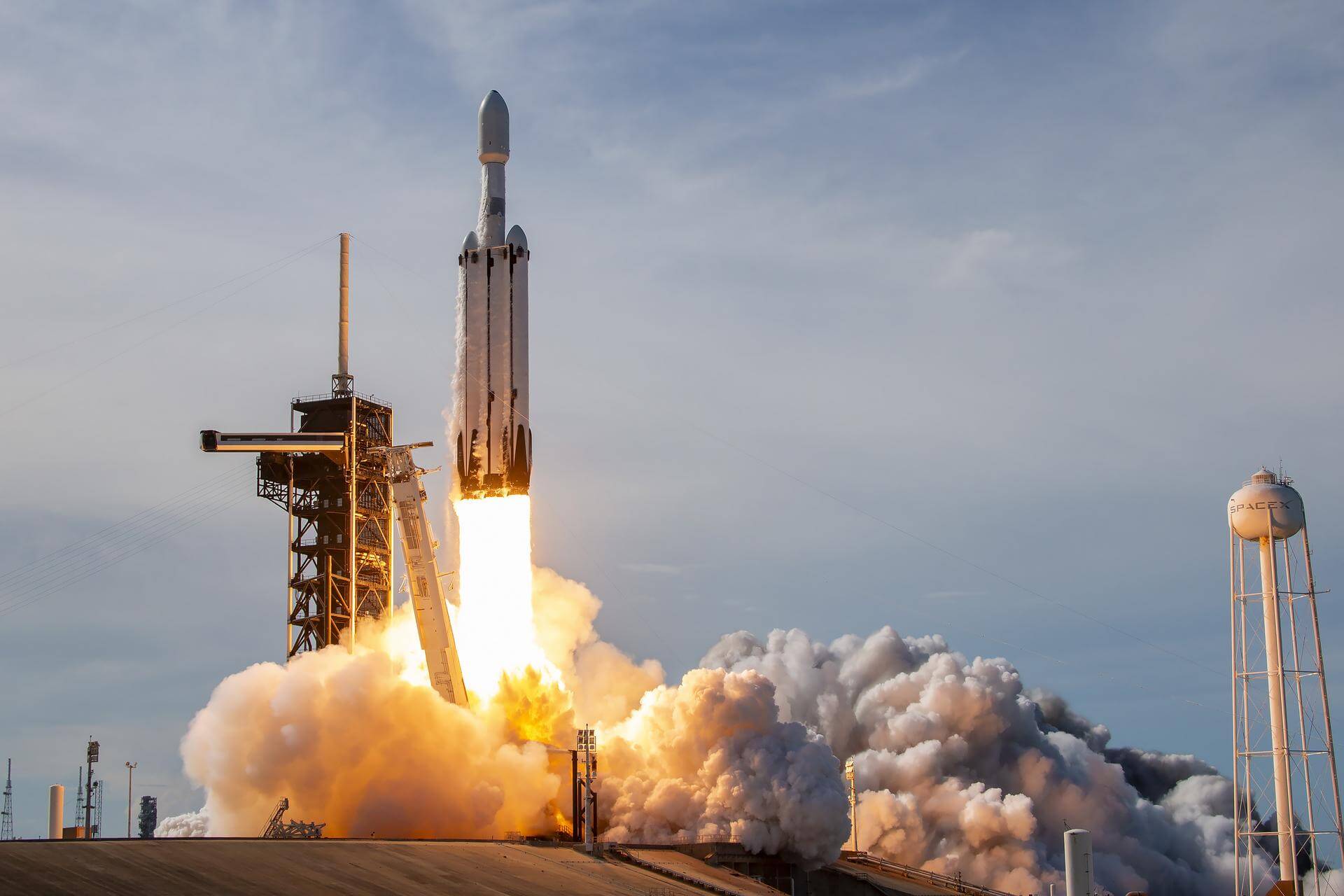
Falcon Heavy | GOES-U
SpaceX | United States of AmericaKennedy Space Center, FL, USA
Status: Launch Successful
Mission:
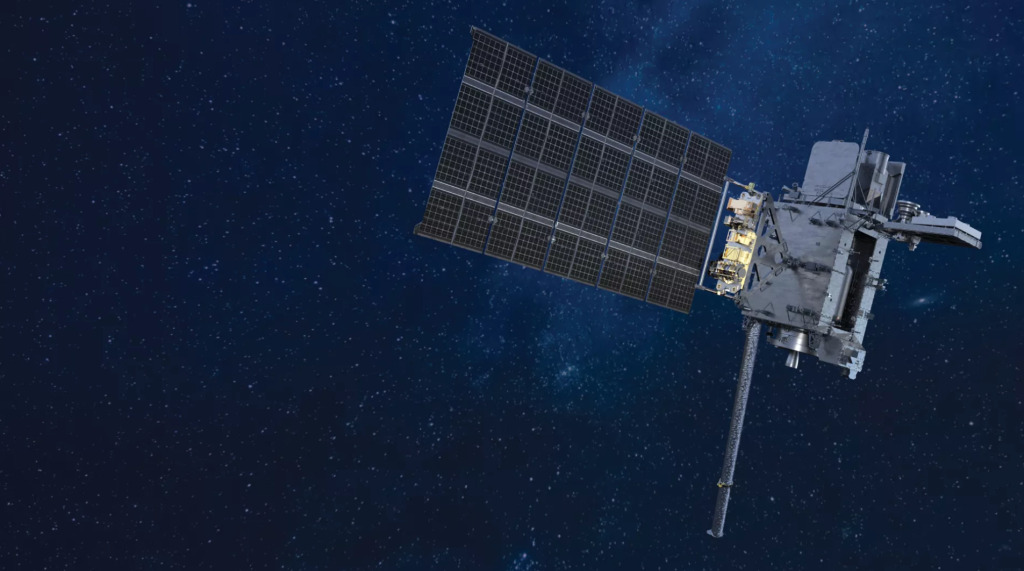
The Geostationary Operational Environmental Satellite-U (GOES-U) is the fourth of the next generation of geostationary weather satellites, known as the GOES-R series. The four satellites of the series provide advanced imaging with increased spatial resolution and faster coverage for more accurate forecasts, real-time mapping of lightning activity, and improved monitoring of solar activity. Once GOES-U reaches orbit, it will be renamed GOES-19.
Geostationary Transfer Orbit B1087 - Maiden Flight Atlantic Ocean B1072 - Maiden Flight Landing Zone 1 B1086 - Maiden Flight Landing Zone 2Falcon 9
Starlink Group 15-16
Space Launch Complex 4E - Vandenberg SFB, CA, USAA batch of 27 satellites for the Starlink mega-constellation - SpaceX's project for space-based Internet communication system.
Long March 8A
SatNet LEO Group 28
Commercial LC-1 - Wenchang Space Launch Site, People's Republic of ChinaA batch of 9 Low Earth Orbit communication satellites for the Chinese state owned SatNet constellation operated by the China Satellite Network Group.…
Falcon 9
Starlink Group 15-15
Space Launch Complex 4E - Vandenberg SFB, CA, USAA batch of 27 satellites for the Starlink mega-constellation - SpaceX's project for space-based Internet communication system.
Long March 4B
Yaogan 53-07 to 09/56-19 to 21
Launch Area 94 (SLS-2 / 603) - Jiuquan Satellite Launch Center, People's Republic of China6 Chinese military “remote sensing” satellite of unknown purposes.
Long March 6A
Yaogan 50-03
Launch Complex 9A - Taiyuan Satellite Launch Center, People's Republic of ChinaThe Yaogan 50-03 is a Chinese military “remote sensing” satellite of unknown purposes.
Electron
We're Not Hawking Around (3x HawkEye 360)
Rocket Lab Launch Complex 1A - Rocket Lab Launch Complex 1, Mahia Peninsula, New ZealandHawkEye 360 is a a space-based civil global intelligence satellite network using radio frequency (RF) technology to help monitor transportation acros…
Ceres-1S
Xiguang-4 01
Rizhao offshore launch location - Haiyang Oriental Spaceport0.5 meter resolution Earth observation satellite for the city of Guangzhou government and Guangzhou University with multi-spectral imaging capability…
Falcon 9
Bandwagon 5 (Dedicated Mid-Inclination Rideshare)
Space Launch Complex 40 - Cape Canaveral SFS, FL, USADedicated rideshare flight to a mid-inclination orbit with dozens of small microsatellites and nanosatellites for commercial and government customers…
H3-24
Martian Moons eXploration (MMX)
Yoshinobu Launch Complex LP-2 - Tanegashima Space Center, JapanMMX is a Japanese scientific mission to land on Phobos, one of the two moons of Mars, to collect samples before bringing them back to Earth. The m…
Falcon 9
USSF-481
Space Launch Complex 4E - Vandenberg SFB, CA, USAA classified mission for the United States Space Force. It is possibly a batch of classified LEO satellites based on SpaceX’s Starshield satellite bu…