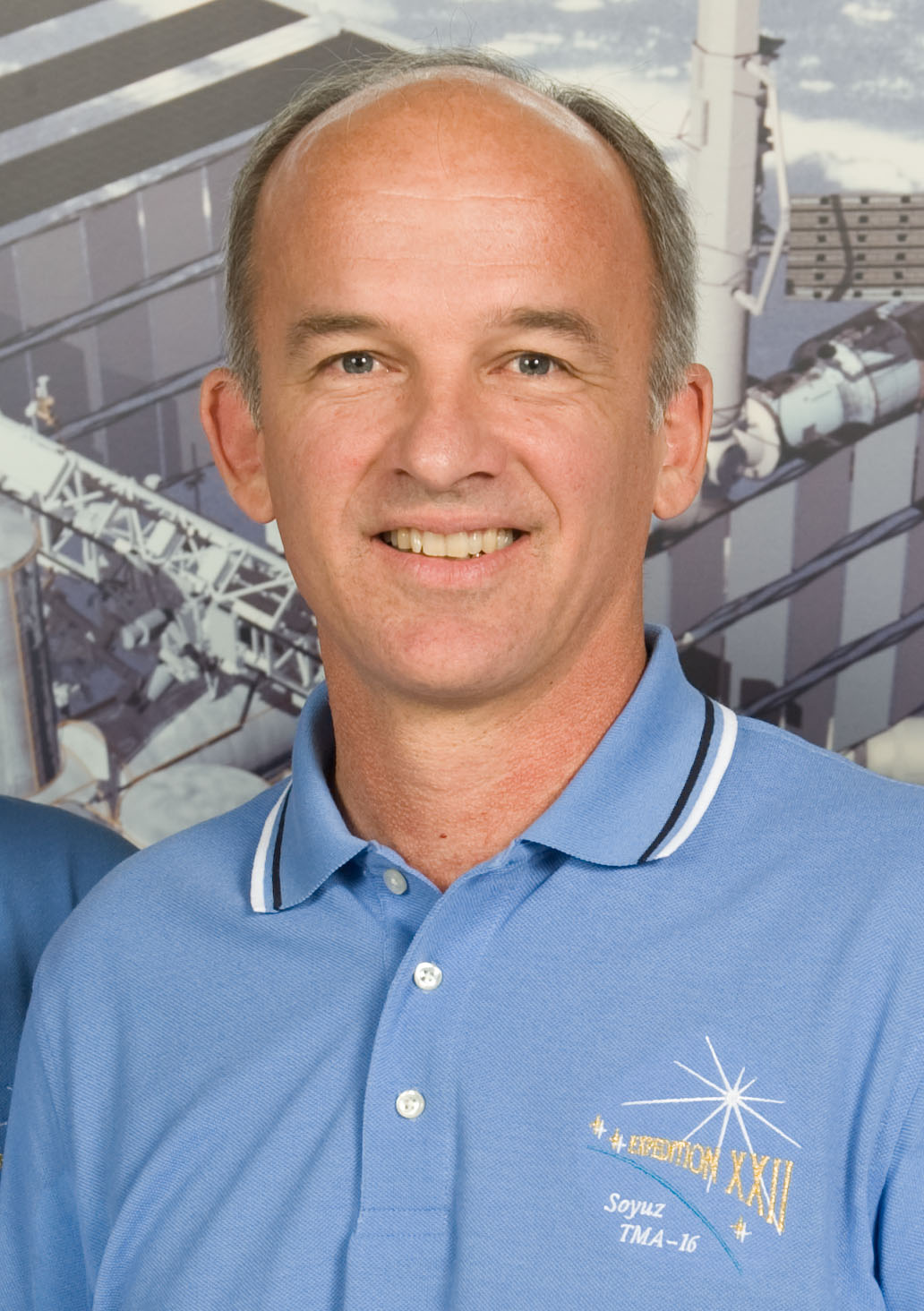
Jeffrey Williams
American - (NASA)
Active
Date of Birth: Jan. 18, 1958
Age: 68
Jeffrey Nels Williams is a retired United States Army officer and a NASA astronaut. He is a veteran of four space flights and formerly held the American record for most days spent in space, which was surpassed in April 2017 by his colleague Peggy Whitson.
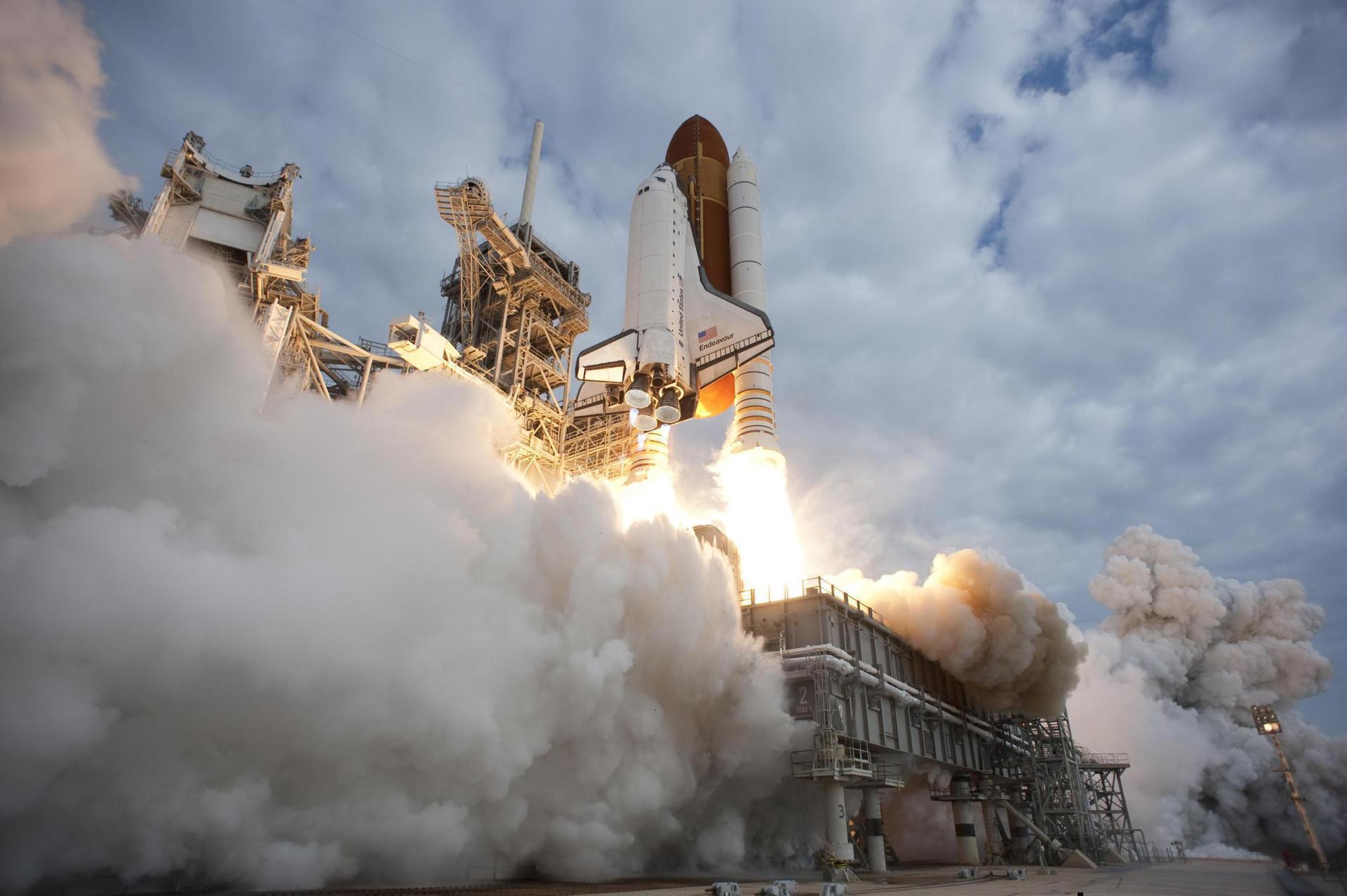
Space Shuttle Atlantis / OV-104 | STS-101
National Aeronautics and Space Administration | United States of AmericaKennedy Space Center, FL, USA
Status: Success
Mission:
STS-101 was a Space Shuttle mission to the International Space Station (ISS) flown by Space Shuttle Atlantis. The mission was a 10-day mission conducted between 19 May 2000 and 29 May 2000. The mission was designated 2A.2a and was a resupply mission to the International Space Station.
Low Earth Orbit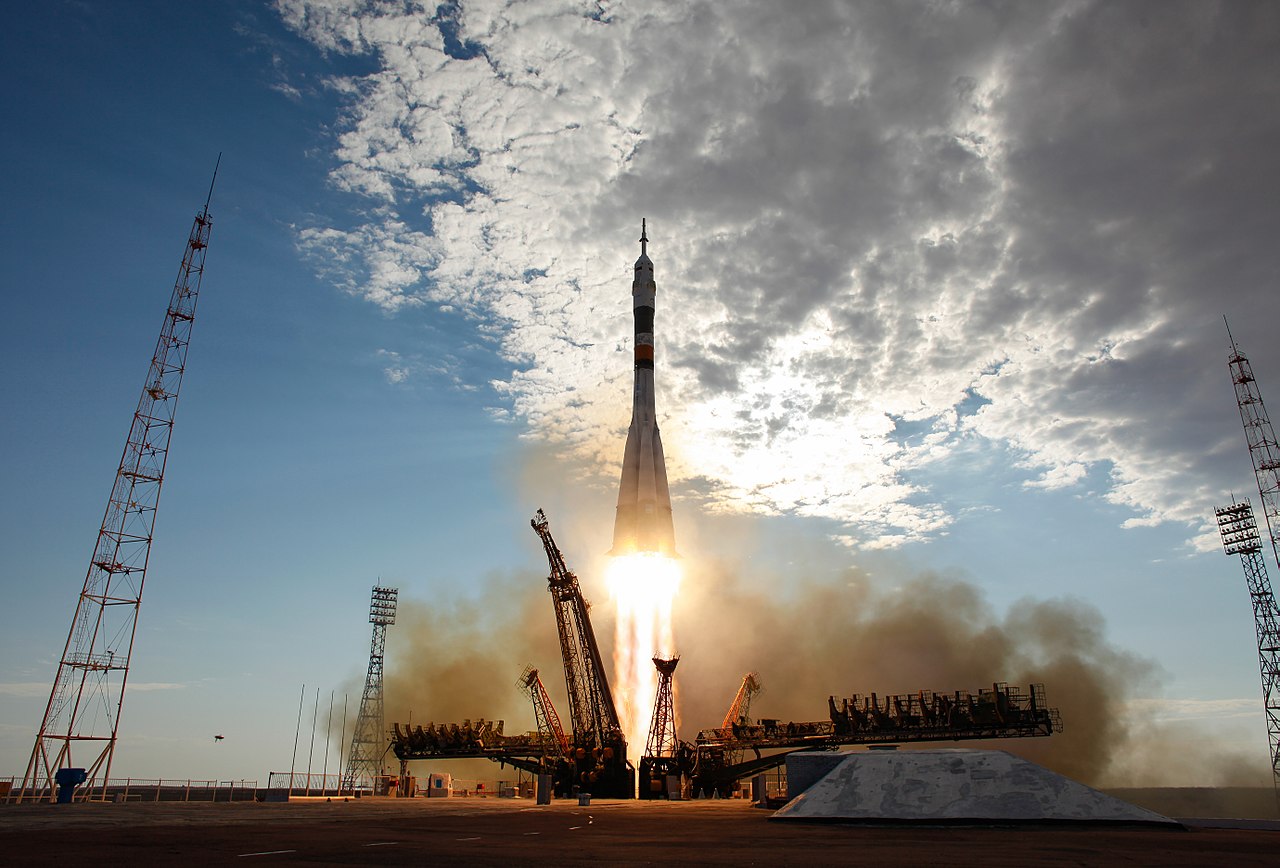
Soyuz-FG | Soyuz TMA-8
Progress Rocket Space Center | RussiaBaikonur Cosmodrome, Republic of Kazakhstan
Status: Success
Mission:
Soyuz TMA-8 begins Expedition 13 by carrying 3 astronauts and cosmonauts to the International Space Station. Russian Commander, cosmonaut Pavel Vinogradov alongside Flight Engineers, Jeffrey Williams (NASA) & spaceflight participant Marcos Pontes (Space Adventures) will launch aboard the Soyuz spacecraft from the Baikonur Cosmodrome in Kazakhstan and then rendezvous with the station. It landed on September 29, 2006, 01:13 UTC
Low Earth OrbitSoyuz-FG | Soyuz TMA-16
Progress Rocket Space Center | RussiaBaikonur Cosmodrome, Republic of Kazakhstan
Status: Success
Mission:
Soyuz TMA-16 begins Expedition 21 by carrying 3 astronauts and cosmonauts to the International Space Station. Russian Commander, cosmonaut Maksim Surayev alongside Flight Engineer, Jeffrey Williams (NASA) & spaceflight participant Guy Laliberté (Spaceflight Adventures, Canada) will launch aboard the Soyuz spacecraft from the Baikonur Cosmodrome in Kazakhstan and then rendezvous with the station. It landed on March 18, 2010, 11:24 UTC
Low Earth OrbitSoyuz FG | Soyuz TMA-20M
Progress Rocket Space Center | RussiaBaikonur Cosmodrome, Republic of Kazakhstan
Status: Success
Mission:
Soyuz TMA-20M begins expedition 47 by carrying 3 cosmonauts to the International Space Station. Russian cosmonauts Alexey Ovchinin and Oleg Skriprochka alongside NASA astronaut Jeff Williams will launch aboard the Soyuz spacecraft from the Baikonur Cosmodrome in Kazakhstan and then rendezvous with the station.
Low Earth OrbitThe National Aeronautics and Space Administration is an independent agency of the executive branch of the United States federal government responsible for the civilian space program, as well as aeronautics and aerospace research. NASA have many launch facilities but most are inactive. The most commonly used pad will be LC-39B at Kennedy Space Center in Florida.
Long March 2D
PIESAT-2 13-16
Launch Complex 9 - Taiyuan Satellite Launch Center, People's Republic of China4 X-band synthetic-aperture radar Earth observation satellites for the Chinese Earth observation satellite company PIESAT.
Electron
Owl By The Dozen (StriX Launch 12)
Rocket Lab Launch Complex 1B - Rocket Lab Launch Complex 1, Mahia Peninsula, New ZealandSynthetic aperture radar satellite for Japanese Earth imaging company Synspective.
Soyuz 2.1b/Fregat-M
Glonass-K1 No. 20 (?)
43/3 (43L) - Plesetsk Cosmodrome, Russian FederationNote: Satellite serial number and Cosmos designation not confirmed. Glonass-K are the third generation of satellite design for GLONASS satellite n…
Kuaizhou 11
SpaceTY-51 & 52
Launch Area 95A - Jiuquan Satellite Launch Center, People's Republic of China2 Earth observation radar satellites built by the Chinese satellite manufacturer SpaceTY.
Falcon 9
USSF-259
Space Launch Complex 4E - Vandenberg SFB, CA, USAUSSF-259 is a classified mission for the United States Space Force. It is possibly a batch of classified LEO satellites based on SpaceX’s Starshield …

